

10 Most Controversial Horror Movie Sequels Of All Time
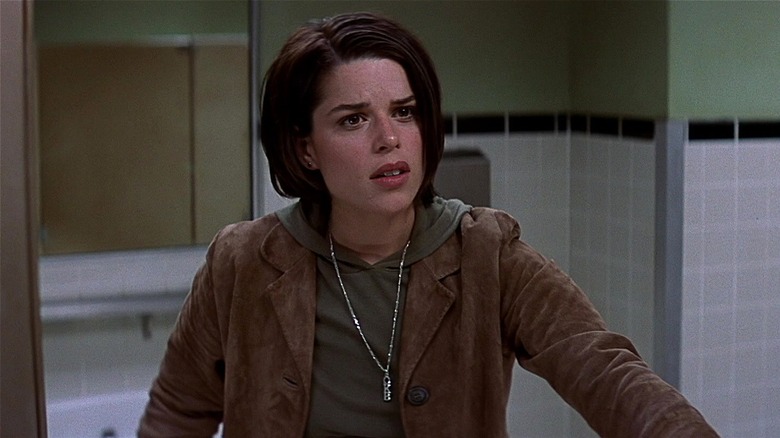
In February 2026, "Scream 7" entered theaters on a wave of controversy, much of it centering around the firing of "Scream VI" leading lady Melissa Barrera as well as a marketing tie-in with Meta's generative AI program. That's a whole lot of negative publicity to launch a horror sequel around, but it's far from the first scary cinema follow-up to garner controversy. After all, this genre's constantly courted danger with intense material, as various horror movies banned for being too disturbing can attest. It only makes sense that returns to certain frightening cinema realms would also inspire controversy.
What's fascinating, though, is how controversy can materialize around these horror sequels. It's not always just the routine outrage over violent or gruesome imagery. Much like Freddy Krueger appearing in so many different forms in people's dreams, controversy can pester horror sequels in countless ways. Sometimes, there's a bruhaha between movie studios and movie theaters over exhibition terms for horror sequels. Other times, tension develops over screenwriting choices that alienate major actors or directors. Behind-the-scenes chaos and external real-world tragedies can also be the source of problems for these projects.
Sequels are typically greenlit by studios because they're seen as easy sources of revenue. With all the controversy these horror sequels inspired, though, there was nothing easy about these movies; their cultural legacies have been defined by all kinds of torment. Unfortunately, there's a long line of horror sequels besieged by controversy as infamous as the most terrifying slasher villains.
Hellraiser: Revelations
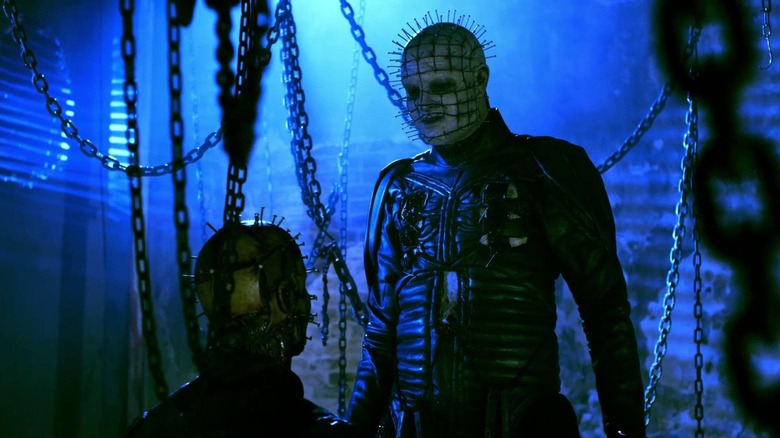
Among the countless sins that the Weinstein brothers committed against cinema and movie-based artists (albeit less severe of a sin than Harvey Weinstein's deluge of sexual abuse allegations) is how the duo's genre film banner, Dimension Films, handled various seminal horror franchises. The label famously churned out cheap versions of famous horror titles like "Children of the Corn," and sullied once-esteemed scary cinema brand names like "The Amityville Horror." Most infamously, the Weinstein's Dimension Films banner took the "Hellraiser" saga to new creative lows with 2011's "Hellraiser: Revelations."
This feature drew enormous controversy for infamously being made cheaply and hurriedly just so Dimension didn't lose the "Hellraiser" film rights. Thus, in contrast to the meticulously realized depravity and nightmares of the first two "Hellraiser" installments, "Revelations" deployed an ultra-cheap aesthetic and even several sequences captured via the found-footage technique. The cynicism underpinning this project was painfully palpable. Inevitably, "Revelations" was greeted with savage reviews.
More than that, though, "Revelations" garnered so much infamy that original "Hellraiser" architect Clive Barker stepped in to rant on social media about how he had no involvement with this production. It's no wonder Barker spoke vocally about this boondoggle, given how everything went wrong on "Revelations," right down to every aspect of Stephen Smith Collins' performance as Pinhead. In the years since its release, the instantly controversial "Revelations" has only grown more and more laughable as a pop culture punchline.
Halloween: Resurrection
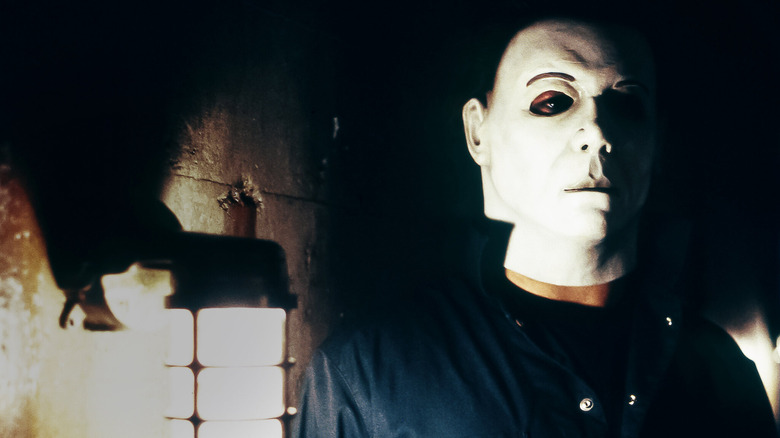
The "Halloween" saga hasn't produced non-stop masterpieces since the original 1978 installment, but few have earned as much ire as 2002's "Halloween: Resurrection." This was the "Halloween" outing that tried intersecting Michael Myers with the world of reality television while also bringing cast members like Busta Rhymes into this universe. Clearly, this was a very overt attempt to make the "Halloween" saga "relevant" to younger audiences, which is just one of several reasons "Halloween: Resurrection" is one of the most trashed and controversial "Halloween" installments.
Part of why so much anger hovers over this entry is its treatment of franchise mainstay Laurie Strode (Jamie Lee Curtis). Right away in "Resurrection," she's dispatched by Michael Myers, albeit there's some wiggle room to suggest she may have survived. Though her exit was partially inspired by Curtis yearning to no longer show up in "Halloween" movies, this unceremonious conclusion to Strode's story still rubbed fans the wrong way.
Plus, this opening undercut the ending of the last "Halloween" film, "Halloween H20," which depicted Strode finally conquering The Shape. The fact that "Resurrection's" primary story focused on such inane characters who weren't nearly as compelling as Strode just amplified the negativity viewers had to this installment. Throw in a bunch of instantly dated dialogue meant to make "Resurrection" hip with the youth circa 2002, and this really is an embarrassing entry in the "Halloween" saga. The Shape never dies, but even he can't endure a feature like this one undiluted.
Paranormal Activity: The Ghost Dimension
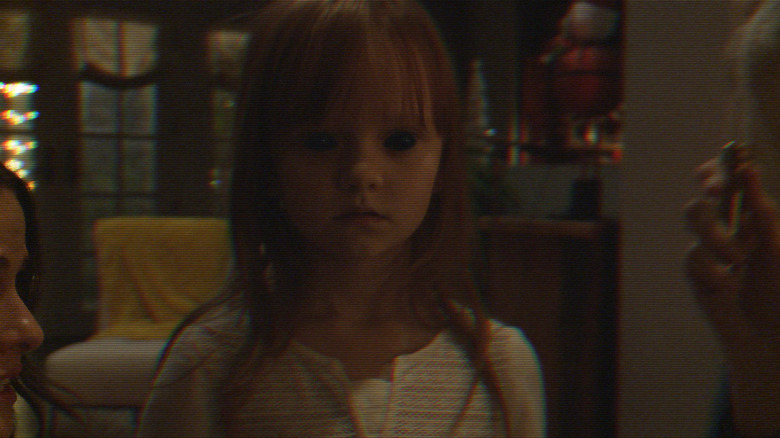
Most horror movie sequels garner controversy because of their extremely violent material or storytelling turns that displease long-standing fanbases. "Paranormal Activity: The Ghost Dimension" was a strange exception, though, in that it garnered immense controversy, but almost exclusively from theatrical exhibitors. This horror feature was one of two Paramount Pictures releases from October 2015 (alongside "A Scout's Guide to the Zombie Apocalypse") that adhered to a unique release strategy. Just 17 days after "The Ghost Dimension" started playing in under 300 screens, Paramount sent it to premium-video-on-demand retailers like iTunes.
While theater chains AMC and Cineplex Entertainment went along with this plan (while also getting a tiny fraction of the PVOD revenue), the vast majority of theater chains refused to cooperate. Regal Cinemas and Cinemark were especially against "The Ghost Dimension" having such a fleeting theatrical lifespan. In the end, Paramount stuck to its guns and "The Ghost Dimension" opened in only 1,656 theaters. Naturally, its domestic opening weekend was just $8.07 million.
Compare that to "Paranormal Activity 3" opening to $52.56 million in 3,321 theaters just four years prior. Given that Paramount never publicly disclosed how much "The Ghost Dimension" procured from PVOD, it's impossible to tell if this title made up for its box office woes through other revenue streams. What is clear, though, is that this controversy is a relic of another age, considering certain modern Universal and Focus Features titles head to PVOD just 17 days after their theatrical debut.
Texas Chainsaw 3D
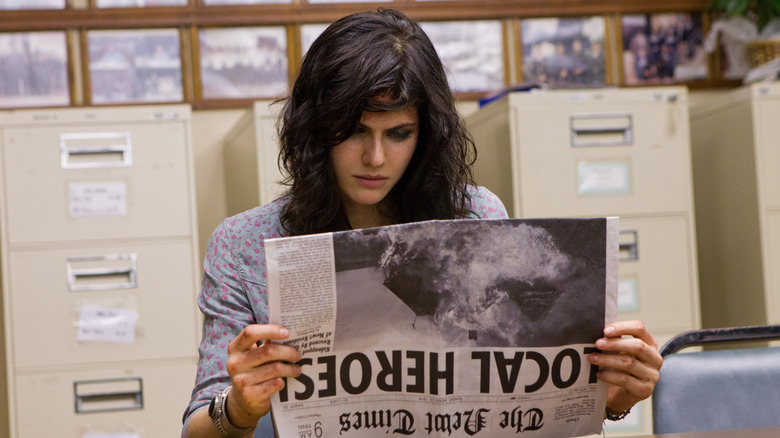
Much like "Jurassic Park," "The Texas Chain Saw Massacre" is an absolute masterpiece that's never had much luck with sequels. Granted, director Tobe Hooper's original "Texas Chainsaw Massacre 2" is an unhinged delight that offers a kooky contrast to the harrowing original feature. However, the vast majority of post-1986 "Texas Chainsaw Massacre" movies, from the worst to the "best", don't come close to either living up to the initial film's legacy or being satisfying scary movies in their own right. On the contrary, they're more often discouraging symbols of larger, frustrating horror movie trends, like 2003's "The Texas Chainsaw Massacre" remake.
Few of these titles, though, have earned as much ire as "Texas Chainsaw 3D." Part of that comes from an egregious plot detail that the feature is supposed to be set shortly after the very first "Chain Saw Massacre," which transpired in the 1970s, yet is clearly set in the modern world (complete with characters clutching iPhones). Failing to commit to a consistent backdrop already spoke to an immense lack of polish plaguing this feature. To boot, trying to make Leatherface a more sympathetic antihero rubbed many people the wrong way, since it attached specific morality to a character embodying terrifying chaos.
Then there was the climactic line "do your thing, cuz," which actress Alexandra Daddario tried mightily to get removed from the feature. This infamous line signified that a horror universe once embodying a descent into madness had succumbed to cornball theatrics. Controversy inevitably followed.
Scream 3
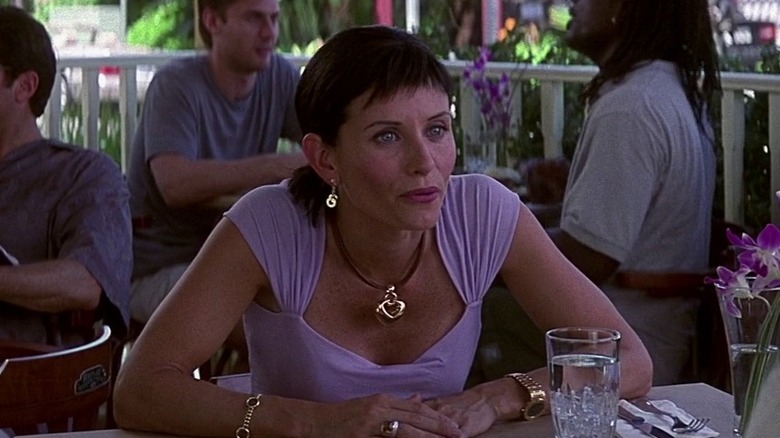
Director Wes Craven infamously had endless struggles with the MPA to get the original "Scream" an R rating rather than a more restrictive NC-17 moniker. Even after Ghostface's bloodthirsty antics became a pop culture phenomenon, the "Scream" saga persistently faced hurdles getting its frights past censors. "Scream 3," the 2000 installment with an unexpected connection to "Halloween: H20," especially got raked through the coals in how much violence it could depict in its journey to the big screen. These concerns even manifested long before the MPA board watched "Scream 3" or even a frame of footage had been shot.
The 1999 Columbine High School tragedy inspired a wave of sensitivity across Hollywood regarding how violence — especially violence that could be viewed by teenagers — was seen on-screen. A slasher franchise like "Scream," heavily involving teenagers biting the dust, was especially under the microscope. An original "Scream 3" plotline that would've involved the return of Matthew Lillard's Stu Macher was scrapped because of these horrific real-world circumstances.
Meanwhile, "Scream 3" shifted its backdrop to Hollywood to avoid any potentially troublesome sequences involving Ghostface killing people at Woodsboro High School. While the original "Scream" — with its nods towards famous slasher movies and savvy references to real-world events — was deeply in touch with reality, "Scream 3" ran as far away from reality as possible. The Columbine-informed controversy and creative overhauls resulted in a disjointed movie that garnered some of the worst reviews of any "Scream" motion picture to date.
The Texas Chainsaw Massacre 2
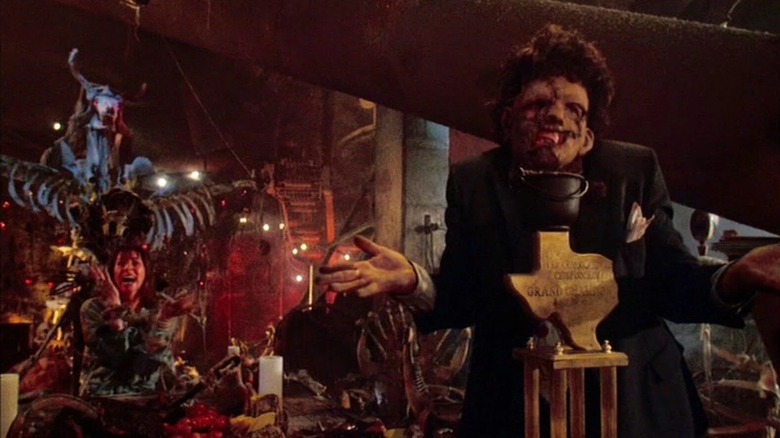
Today, it's laughable to imagine that "The Texas Chainsaw Massacre 2" would be seen as so grotesque that it's worthy of being banned from public exhibition. For one thing, it's unhinged and heightened gory violence is clearly working hand-in-hand with a wry, satirical tone. In other words, there's a purpose to all the maximalist bloodshed. For another, contemporary titles like "Terrifier 3" can unleash considerably more extreme Unrated horror imagery into theaters without even a whisper of censorship.
Back in 1986, though, "The Texas Chainsaw Massacre 2" inspired controversy all over the world with its darkly comedic escalation of Leatherface's rampaging tendencies. Many countries outright banned the movie, including Australia and Sweden. Other territories, like Canada, required extensive cuts before Chop Top and cohorts could grace movie theater screens. Though not banned in the United States, "Massacre 2" still got an uproar from the MPA board, who refused to give the title an R rating. Thus, this feature was released to American theaters unrated.
All this controversy and censorship connected to "The Texas Chainsaw Massacre 2" just speaks to the boldness of Hooper and company. They truly went off-the-wall in their blood-soaked mayhem for this sequel rather than just repeating the most beloved moments of the original "Texas Chain Saw Massacre." Today, though, it's difficult to comprehend "Chainsaw Massacre 2" having any trouble getting an R rating. If "Saw X" scored that moniker, why couldn't this batty follow-up set in the Lone Star State?
Hostel: Part II
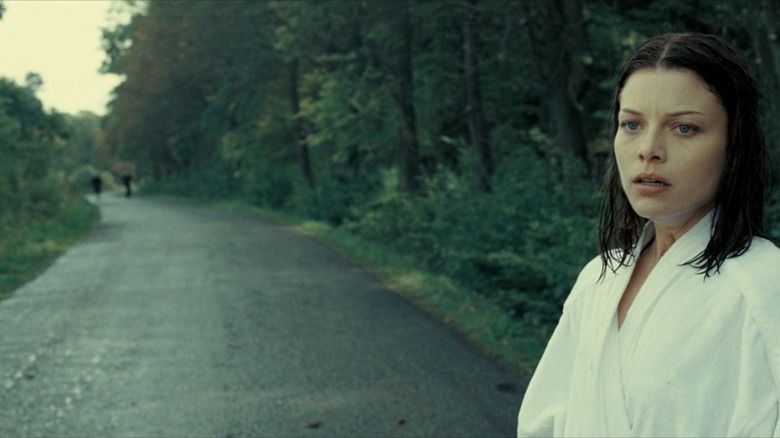
The most disturbing moments from the "Hostel" franchise have solidified this saga as one that's not for the squeamish or even most horror fans. Director Eli Roth's visions of torture horror are, depending on who you ask, either a stinging commentary on tourists treating foreign countries as consequence-free playgrounds or just exercises in watching women scream in various painful scenarios. "Hostel: Part II" continued the immense controversy surrounding its premise before it even premiered, thanks to incredibly provocative teaser posters.
These images were close-up shots of shredded meat that were clearly meant to make passerby's think this meat belonged to the bodies of some poor "Hostel: Part II" victim. Once another NSFW poster for "Hostel: Part II" was unveiled, it was revealed that a slew of multiplexes had chosen to take down those initial meat-centric posters because audiences had expressed discomfort with them. If the mission was to get "Hostel: Part II" to inspire gagging and overt protests before its first showtimes, then this initial marketing was a rousing success.
Controversy continued to dog this horror sequel once it was released, with territories like New Zealand requiring extensive cuts to "Hostel: Part II" before procuring a theatrical release. There was enough of a bruhaha surrounding this follow-up that essays were penned contemplating what made the "Hostel" saga so vulnerable to extreme criticism. Certainly, those icky, meat-oriented promotional materials didn't help "Hostel: Part II's" general reputation.
Saw 3D
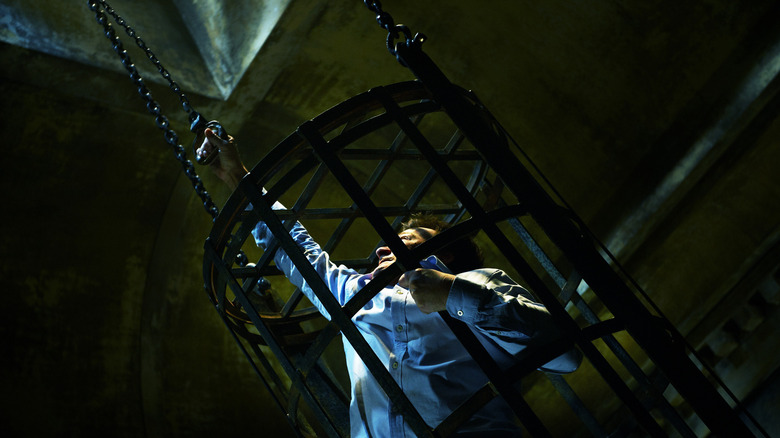
The "Saw" franchise incurring some controversy isn't surprising. It's easy to imagine elements like the five grossest kills in the "Saw" movies inspiring protests or outrage from parent groups. However, "Saw 3D" was an entry in this saga that generated a most unexpected source of controversy: behind-the-scenes drama. After "Saw VI" came in behind box office expectations, that film's director, Kevin Greutert, opted to jump off the "Saw" ship. He went on to work on the horror franchise aiming to deliver new installments every October: "Paranormal Activity."
Though Greutert was all lined up to helm "Paranormal Activity 2" and the start of principal photography was in sight, a surprise (much like the ones littering Jigsaw's trips) emerged. "Saw V" filmmaker David Hackl was originally set to film "Saw VI's" follow-up, "Saw 3D." However, to prevent Paramount from utilizing Greutert's filmmaking skills, Lionsgate suddenly called him up to helm "Saw 3D." A pre-existing contract stipulation forced this artist to take on "Saw 3D" rather than "Paranormal Activity 2," with Greutert's social media posts at the time suggesting he wasn't thrilled with this whole situation.
Filmmaker Tod Williams stepped in to take over "Paranormal Activity 2" while Greutert stayed on to shepherd what was (temporarily) the final "Saw" adventure. The whole thing was utter chaos that put two separate films into pre-production mayhem. Given the dreary reviews that greeted "Saw 3D," it's also an affair many perceived as more entertaining than Jigsaw's 2010 outing.
Halloween Ends
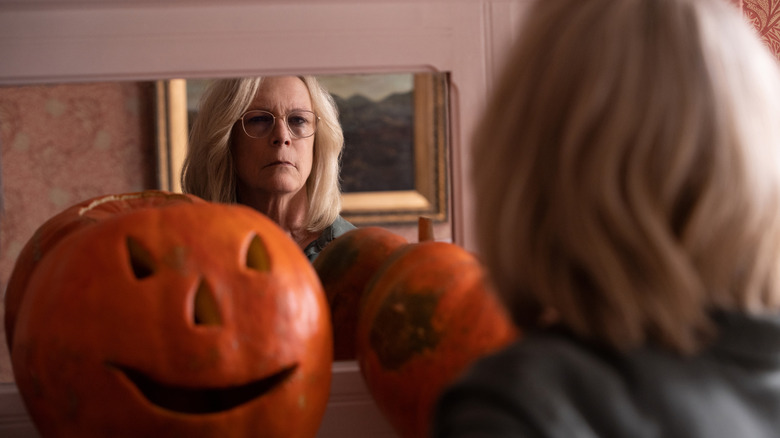
"Halloween Ends...thank goodness!" as Statler & Waldorf might say. This 2022 "Halloween" entry concluded director David Gordon Green's legacy-centric continuation of Laurie Strode and Michael Myers' story. 2021's "Halloween Kills" and its biggest unanswered questions were already divisive enough to dilute the buzz of 2018's "Halloween." However, "Halloween Ends" really sank this ship with its weirdly feeble attempts at subverting viewer expectations. Specifically, the film presented a new character, Corey Cunningham (Rohan Campbell), as a tormented societal outcast who eventually succumbs to the role of a serial killer.
A sequence of Cunningham beating up Myers and taking his mask suggested "Halloween Ends" would boldly jettison its primary, pre-established antagonist for someone new. Instead, Cunningham is quickly dispatched, and more conventional "Halloween" fights and frights centered on Myers unfold. Never quite excelling as either a subversion of "Halloween's" norms or being an extraordinarily thrilling manifestation of those tropes just left "Halloween Ends" feeling hollow.
Shortly after its theatrical debut, fans began bemoaning the feature's overall quality, with several critics also lambasting the project's technical shortcomings. All this negativity became so omnipresent that David Gordon Green, while promoting "The Exorcist: Believer" a year after "Halloween Ends" premiered, acknowledged this reception and defended the film. Other horror sagas couldn't even launch new installments without the "Halloween Ends" elephant in the room getting acknowledged. While 2018's "Halloween" brought The Shape roaring back to life, "Halloween Ends" just drowned the character in controversy.
Alien 3
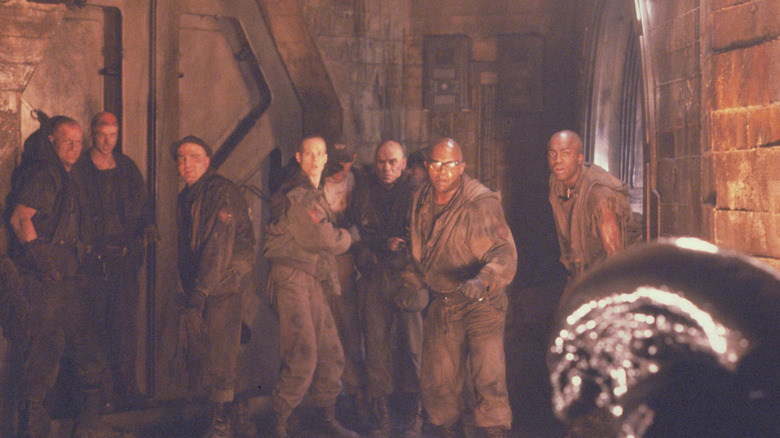
"In space, no one can hear you scream", so reads the famous "Alien" tagline. The producers of "Alien 3" undoubtedly wished they were stuck out in the further reaches of the cosmos once the public's reaction to this film came out. If only they could've not heard the intensely negative fan reactions that immediately greeted this 1992 project and its decision to kill off beloved "Aliens" characters Newt and Hicks. While Sigourney Weaver's Ellen Ripley survived to have another encounter with the Xenomorph aliens (this time on a prison planet), these two figures were controversially offed from the get-go in "Alien 3."
Decades after "Alien 3" hit theaters, Hicks actor Michael Biehn continued to get passionately frustrated about this whole situation. No less than "Aliens" director James Cameron, who has lambasted this decision, specifically because "Alien 3" ditched individuals that audiences had grown connected to in "Aliens" and replaced them with less involving prisoner characters. Executing (no pun intended) this narrative maneuver right from the start of "Alien 3" also had the side-effect of immediately souring audiences on the title. Everything after these deaths, including the biggest set pieces and dramatic beats, lived in the daunting shadow of fan disappointment.
Director David Fincher and crew tried their hardest to do something distinctive and new with "Alien 3," but this horror movie never outran the controversy surrounding Hicks and Newt getting slaughtered. It's no wonder Fincher has remained one of the most vocal "Alien 3" critics given its enduringly divisive reputation.