

5 Stephen King Adaptations That Improved With Time
Most authors are lucky to see one of their books adapted for a major motion picture or TV series. But Stephen King is not most authors. The undisputed king of horror has seen nearly 70 screen adaptations of his iconic writing.
With so many movies and shows made over the decades, the critical and audience reception to these works runs the gamut from undisputed masterpieces to calamitous boondoggles, and everything in between. For every "Misery" or "Stand By Me," which King has praised as some of the best adaptations of his work, there is a "Maximum Overdrive," a film directed by King himself that even he admits he ruined.
Others, however, take time to connect with their audience. On this list, we'll map out five Stephen King adaptations that have improved over time, whether for their filmmaking, themes, or with the release of an alternate cut that better reflected the director's initial vision.
Christine
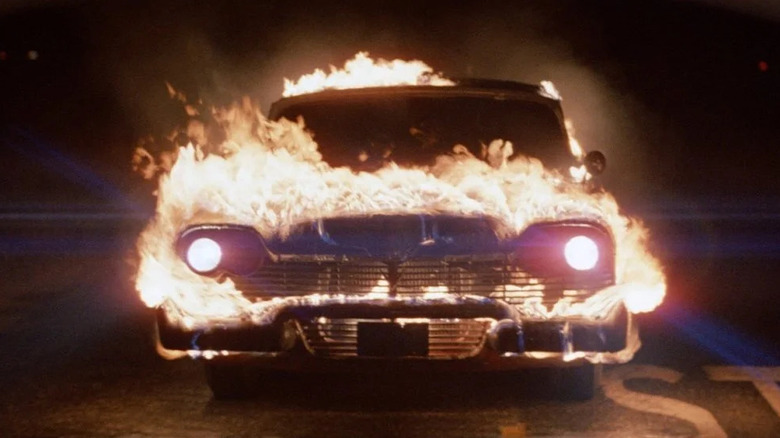
A Stephen King adaptation from master horror director John Carpenter should have been a match made in heaven. But coming off the heels of Carpenter's box office flop "The Thing," itself perhaps the greatest example of a film that has improved with time, "Christine," which follows a young nerd (Keith Gordon) who falls under the sway of an evil automobile, was a bit too ludicrous for some critics.
The 1983 film was met with a somewhat muted response, netting only a 72% score on Rotten Tomatoes.While King himself found the film boring, horror fans have grown increasingly fond of this lesser-known title alongside similarly obscure Carpenter works like "Prince of Darkness."
While certainly campier than other King adaptations, Carpenter's excellent use of practical effects turns the eponymous 1958 Plymouth Fury into a villain who is as terrifying as she is alluring. Combined with the striking cinematography and a pulse-pounding score, "Christine" has aged like a vintage automobile, and fans now recognize it as one of King's most underrated adaptations, despite what the man himself might think.
The Shawshank Redemption
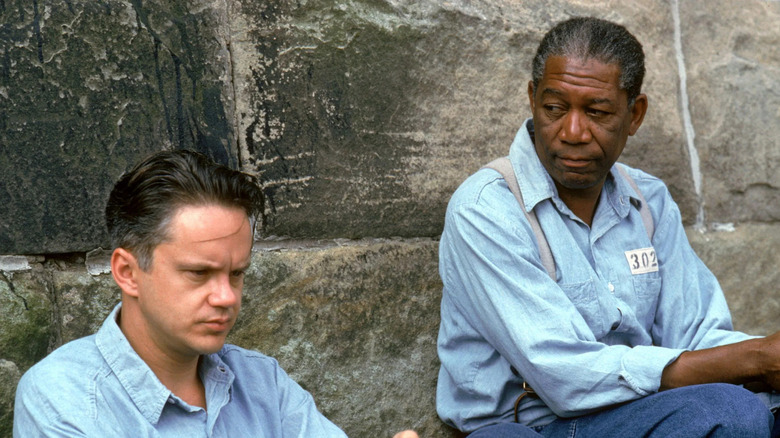
The vast majority of Stephen King's film and TV adaptations are of his horror stories, but the man has found time to also write straightforward dramas like "The Shawshank Redemption." Adapted by Frank Darabont in 1994, the film's marketing failed to advertise the King connection, not wanting to confuse audiences who might feel misled when they showed up at the theater to not a single ghoul, ghost, or monster in sight.
Instead, this prison escape picture faltered at the box office, as audiences were puzzled by the strange title and morose marketing. But time has been more than kind to "The Shawshank Redemption." The film was nominated for several Academy Awards, including best picture, and became a perennial classic on TV reruns, prompting repeat viewings that allowed new fans to discover unseen layers of the film's story.
Today, "The Shawshank Redemption" isn't just seen as one of the best King adaptations, but is often deemed one of the best movies ever made, currently sitting as the highest-rated movie on IMDb. Darabont, for his part, finds the whole thing "surreal." In an interview with Paste Magazine (via The Independent), he remarked, "I look at that list, and of course, I see 'The Godfather,' and 'Citizen Kane,' and you can't help but think, 'Is 'Shawshank' really better than 'The Godfather?'" I find that a little hard to believe."
The Mist
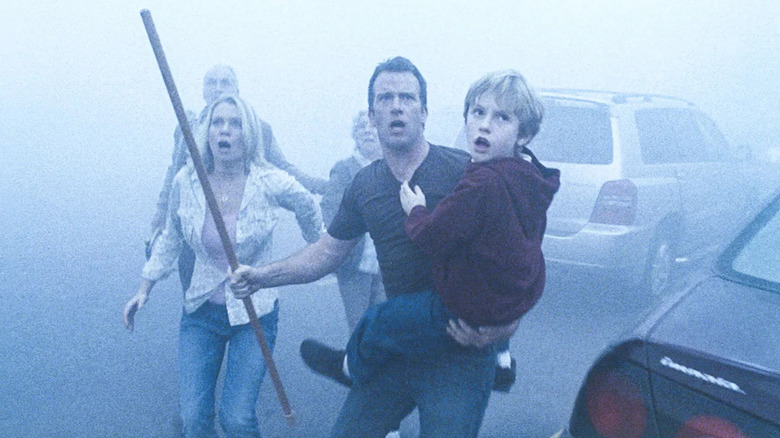
Frank Darabont followed up "The Shawshank Redemption" in 1999 with the similarly hope-filled Stephen King adaptation "The Green Mile." But in 2007, he delivered a far more bleak and nihilistic experience with "The Mist." Set in Maine, where practically all King stories are centered, "The Mist" follows artist David Drayton (Thomas Jane) as he tries to keep his family safe when a mysterious mist falls over their entire town. Lurking inside the cloud are Lovecraftian bugs and tentacled creatures, leading the few survivors trapped inside the suburban grocery store to devolve into madness.
"The Mist" plays much like a throwback to an earlier, schlocky era of science fiction, almost like a modern remake of "The Twilight Zone," in which the ultimate horror of the situation is the people themselves, not the monsters knocking on the door. This big-budget B-picture caught some audiences off guard, especially with its gut-wrenching ending, and some critics were initially confused by the heavy handed political allegory and over-the-top creature attacks.
For the 2008 special edition home release, Darabont was able to restore the film to his original vision of shooting it entirely in black and white. With its sci-fi B-movie roots made more clear, the film ironically became more culturally relevant by making it feel more obsolete.
The Shining
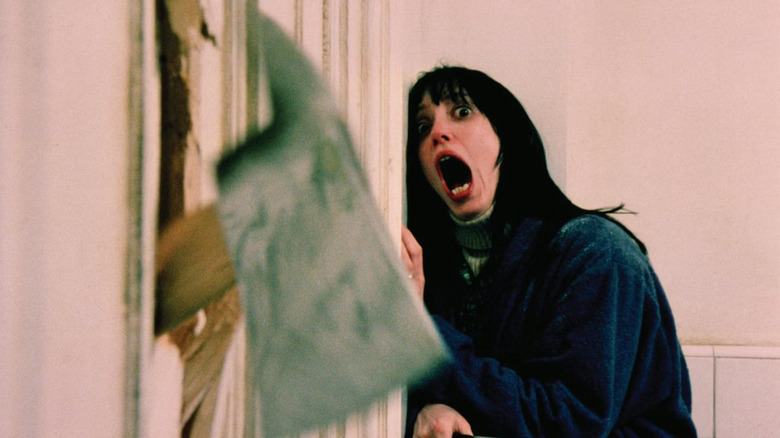
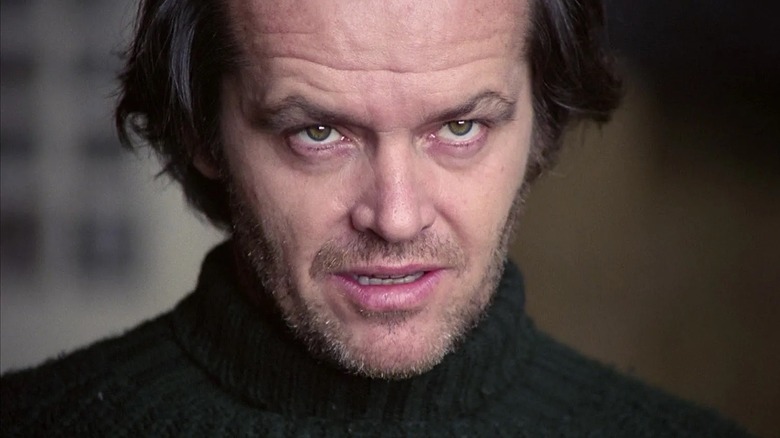
At this point, Stephen King's feelings about Stanley Kubrick's adaptation of "The Shining" are common knowledge. But often lost in the conversation is that most critics and audiences at the time weren't too down with the film either.
While widely regarded as one of Kubrick's best works today, his chilly directing style kept 1980's audiences at arms length, and it is the only one of his films from his legendary 1960 to 1999 run to receive no Oscar or Golden Globe nominations. Instead, it holds the dubious distinction of being the only Kubrick movie nominated at the Golden Raspberry Awards, and for two at that. Against all good judgment, Kubrick was nominated for worst director and Shelly Duvall for worst actress at the 1980 ceremony.
Luckily, "The Shining" walked out of the Razzies unscathed, and is now rightfully recognized as a game-changing horror movie thanks to its bewildering production design, stately filmmaking, and committed performances by Duvall and Jack Nicholson.
Doctor Sleep
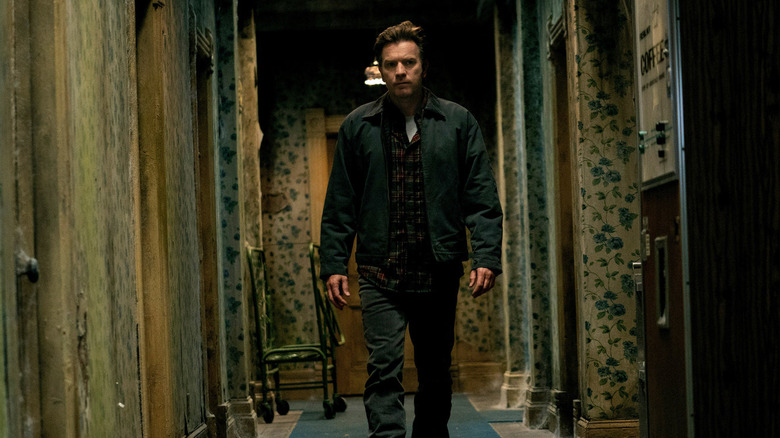
Frustrated by Stanley Kubrick's adaptation, Stephen King attempted to undo "The Shining" with his own far worse miniseries. He took another shot with his sequel book "Doctor Sleep," which follows an adult Dan Torrance as he attempts to overcome the trauma inflicted on him at the Overlook Hotel. In 2019, director Mike Flanagan, one of horror's most promising names of the 21st century, released a highly anticipated film adaptation starring Ewan McGregor. Flanagan had his work cut out for him, having to fashion not just an adaptation of the book, but also a sequel to the remarkably different Kubrick film.
While reactions were generally positive, most felt it paled in comparison to Kubrick's now-lauded effort. This, along with the unwieldy 150-minute runtime and poor marketing, caused the sequel to underperform financially, putting a final nail in the coffin to a planned "Shining" prequel that would have centered on Dick Hallorann (Scatman Crothers).
Ironically, the "Doctor Sleep" director's cut made for home media releases is even lengthier, clocking in at a whopping 180 minutes. This extended edition allowed for a more measured pace, extending many sequences and adding in new ones that contribute to a more ominous tone, and a stronger overall film.