

10 Movie Franchises That Never Recovered From One Massive Flop
No movie franchise goes on for a prolonged period of time without incurring some sort of fatal flaw or problematic reputation. Some movie franchises are ruined by greed, and others were butchered by studio executives' meddling more than once. When there's money to be made, Hollywood will keep a major brand name going for as long as possible. During that lengthy stint on the big screen, things can go haywire, creative disagreements can spoil everything, and a once-beloved saga can end up biting the dust.
Sometimes, though, what kills off a movie franchise is something from the saga itself. Specifically, one flop entry in a franchise can derail everything. They can suddenly taint people's perceptions of a previously-revered fictional universe, or they can ensure that long-term movie franchise plans never pan out. Sometimes, all it takes is one motion picture to permanently upend how everyone sees a certain film series. These kinds of installments don't happen often, but 10 particular cinematic sagas have experienced just this kind of movie. There was no going back after one terrible entry, no matter how many reboots or legacy sequels Hollywood tried producing.
Nothing stays golden forever, and every film saga has its creative hiccups. These entries in these 10 specific film franchises, though, show what happens when one movie entirely sullies a previously well-liked brand name. One film can truly change everything, sometimes for the worse.
The Terminator
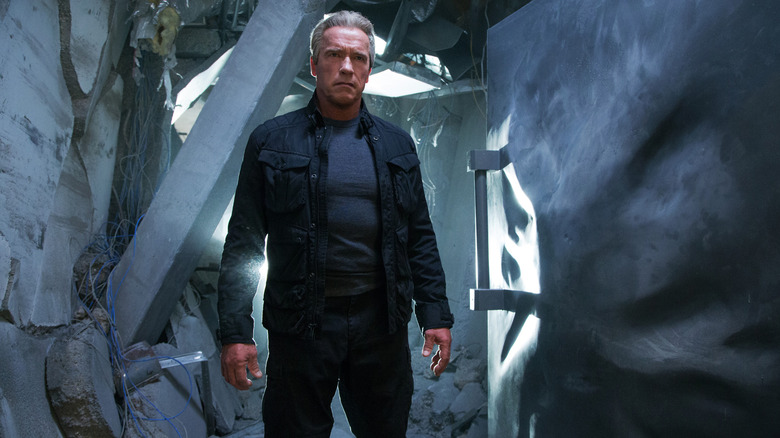
Once James Cameron was no longer around to direct "Terminator" movies, that should've been an obvious sign that this franchise was done. However, Hollywood rarely lets a remotely viable brand name rest. Thus, the 21st century has seen a slew of various attempts to get the "Terminator" saga back up and running as an ongoing series of lucrative movies. Diminishing returns have clearly set in for this saga, with "Terminator 3: Rise of the Machines" and "Terminator: Salvation" delivering declining domestic box office numbers. Audiences were already clearly weary of more "Terminator," yet Paramount Pictures went full steam ahead on another reboot: 2015's "Terminator: Genisys."
This installment brought back Arnold Schwarzenegger in a prominent lead role and attempted to reorient the saga around characters and lore from earlier "Terminator" installments. The end result was an embarrassment that crashed and burned at the domestic box office. With only $89.7 million in North America, "Genisys" became the first "Terminator" sequel to make under $100 million domestically. This achievement, combined with the toxic reputation swirling around "Genisys," ensured that this project was the wrong kind of turning point for the "Terminator" saga.
Any lingering fondness for the saga that gave the world "I'll be back" was officially gone, as seen by 2019's "Terminator: Dark Fate" doing even worse at the box office than "Genisys." There's no denying that the "Terminator" saga wasn't in ideal shape before "Genisys." However, this reboot fully derailed this once highly revered saga for good.
The Exorcist
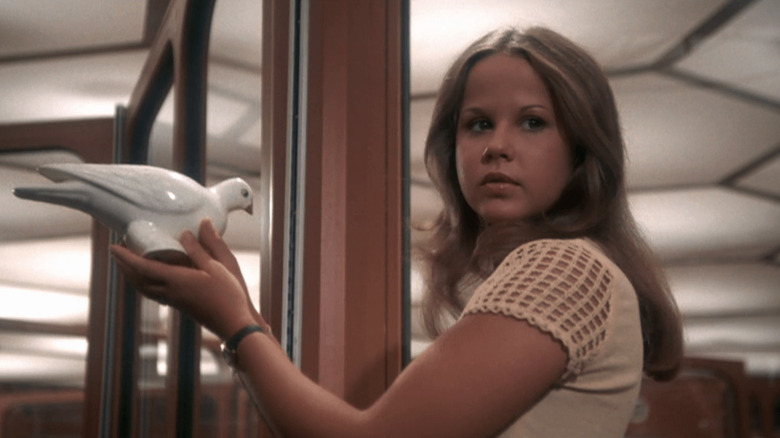
To this day, "The Exorcist" from 1973 remains a box office powerhouse that shattered the norms for how high R-rated horror movies could go financially. However, ever since then, Hollywood's been practically cursed in attempts to keep the saga going beyond one movie. Every time the "Exorcist" brand name returns to theaters, troubled box office returns ensue. This was clear as early as 1977's "Exorcist II: The Heretic," which garnered disastrous reviews and quickly became a pop culture punchline. Bringing back Linda Blair from the first "Exorcist" wasn't enough to save "Heretic" from a grisly financial and artistic fate.
From there, "The Exorcist" has never regained its footing, especially at the box office. Further follow-ups have also gone belly-up financially, including 2023's "The Exorcist: Believer." This particular project had a lot riding on it, given that it was a Blumhouse Productions effort, Universal spent $400 million to acquire a trilogy of "Exorcist" sequels, and the film reunited the creative team behind Blumhouse's lucrative "Halloween" films. Not even emulating 2018's "Halloween" was enough to help "Believer" break the tormented streak of "Exorcist" projects. It too underwhelmed financially, and its planned sequels stalled out.
With so many box office flops associated with this franchise, the very existence of "Exorcist" sequels appears to be a non-starter for audiences. "The Exorcist II: The Heretic" immediately poisoned the well around the idea of "The Exorcist" spawning a franchise. Decades later, no installment in this saga has evaded that reputation.
Transformers
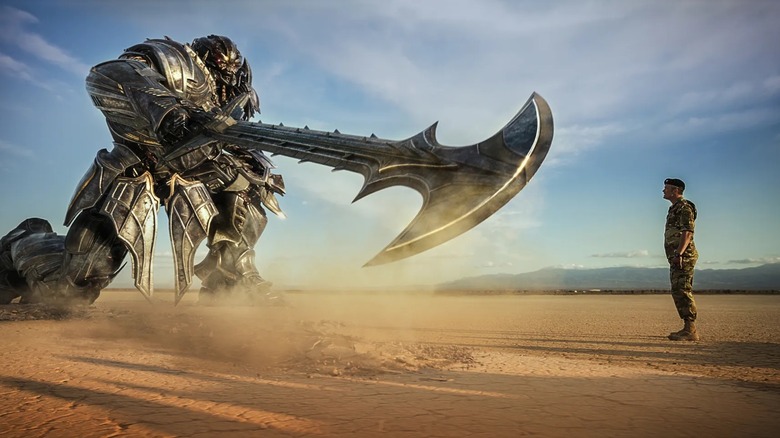
For a while there, the "Transformers" movies were pretty much unstoppable at the global box office. For four installments over seven years, Paramount Pictures could rely on a new "Transformers" movie scoring over $700 million worldwide, with the third and fourth entries in this saga even clearing over $1 billion globally. The good financial times came to an abrupt halt, though, once "Transformers: The Last Knight" arrived in June 2017. This installment had a heavy emphasis on historical lore and, even by the standards of crowded "Transformers" movies, an overstuffed cast that just didn't click for audiences. "The Last Knight" only grossed $602 million worldwide, a 45% decline from "Age of Extinction's" global box office take just three years before.
Paramount, not exactly overflowing with major franchises, has kept trying to revive the "Transformers" saga since then, to consistently underwhelming financial results. 2018's "Bumblebee" did fine (given its lower budget), but the $195 million budgeted "Transformers: Rise of the Beasts" made just under $440 million worldwide, a far cry from the heights of "Age of Extinction" a decade earlier. With "Transformers One" bombing in 2024, it's clear in hindsight that audiences rejecting "The Last Knight" was a clear sign that moviegoers had their fill of Autobots and Decepticons duking it out.
The bloom was off the rose for this franchise. Any novelty associated with the "Transformers" franchise has evaporated. "The Last Knight" and its inability to turn into a smash hit exemplified a nadir for this saga that it has never been able to overcome.
Blade Runner
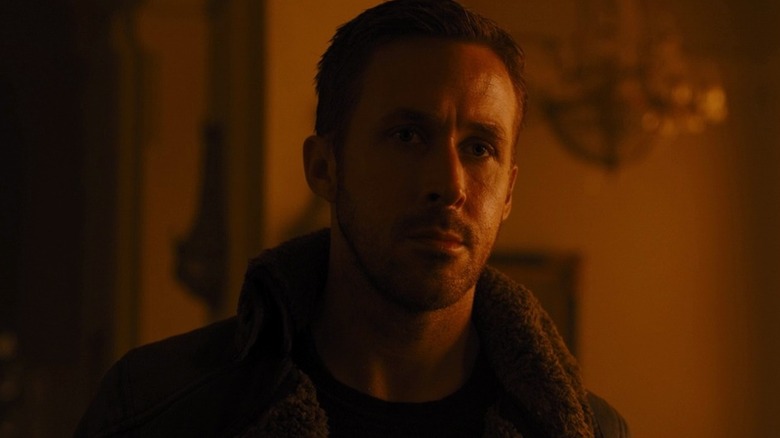
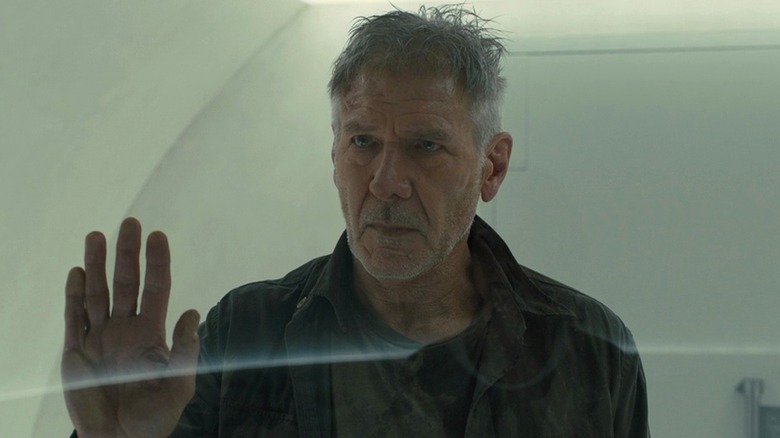
When Alcon Entertainment committed to purchasing the "Blade Runner" property and financing "Blade Runner 2049," the hope for this production company was that it could now rely on sequels fueling its bottom line for years to come. Original "Blade Runner" director Ridley Scott also had concepts for what further "Blade Runner" outings could look like, and all eyes were on "2049" to prove "Blade Runner" could become a major modern franchise. Unfortunately for Alcon and other financiers, "Blade Runner 2049" didn't come close to meeting box office expectations.
With a worldwide gross somewhere between $259.1 and $277.9 million, "Blade Runner 2049's" box office failure inspired Alcon to downsize its operations. Though the original "Blade Runner" has proven very influential in pop culture, it wasn't initially a major hit at the box office. This saga has always been a challenge to sell to the general public as must-see entertainment, partially because it's pretty dour in tone. With this dreary box office total and "2049" director Denis Villeneuve moving on to the "Dune" movies, the "Blade Runner" franchise's existence as a big-screen enterprise was basically finished. There was no more chatter about "Blade Runner 3."
Since "2049," Alcon has continued the "Blade Runner" saga with entities like an upcoming Amazon TV show. However, "Blade Runner 2049'" derailed rather than supercharged "Blade Runner's" potency as a feature-length movie franchise.
Divergent
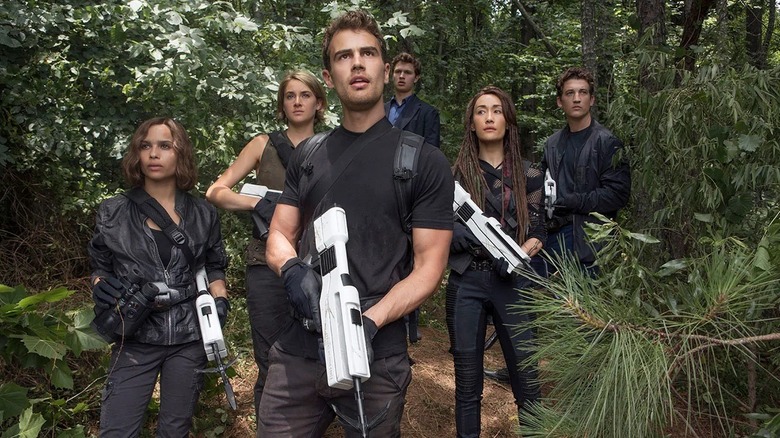
With 2014's "Divergent," a new movie franchise built on a popular series of young-adult novels was born. While the first sequel, "Insurgent," did perfectly fine business at the box office, things crumbled with 2016's "Allegiant." This feature was the first half of a two-movie adaptation of the book "Allegiant," with the other feature in this cinematic duo being planned as "Ascendant." However, "Allegiant" ended up throwing a major wrench into those plans. This title, released in between March 2016 box office powerhouses "Zootopia" and "Batman v. Superman: Dawn of Justice," flopped and didn't come close to matching the first two "Divergent" movies financially.
This was a saga that had been left open-ended so that "Ascendant" could pick up the pieces and finish adapting the "Allegiant" book. With "Allegiant" doing so poorly, Lionsgate quickly shifted gears and announced that this movie would now materialize as a TV movie leading into a TV show. It was a laughable downgrade for something that once had ambitions of being the next "Deathly Hallows" or "Mockingjay" of "Divergent" movies. Worse yet, not even those scaled-back plans ever got off the ground. The "Allegiant" books' second half never got translated into live-action, leaving the "Divergent" film saga permanently unfinished.
Whereas even the "Transformers" franchise delivered multiple further movies after a capsizing flop, "Allegiant" killed off the "Divergent" universe in one fell swoop. This whole exercise provided a bizarre finish for a film saga that, back in 2014, looked like it would only experience smooth sailing.
Riddick
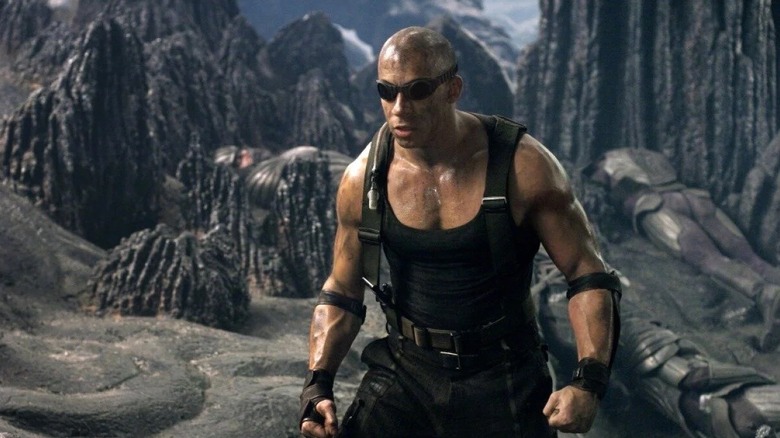
Before he played Dominic Toretto for the first time, Vin Diesel took on the part of Richard B. Riddick in 2000's "Pitch Black." A tiny thriller, Diesel and Universal Pictures embraced the idea of further Riddick adventures (rooted heavily in Diesel's love for "Dungeons & Dragons" and other fantasy stories) that would greatly expand in scope. "The Chronicles of Riddick" in 2004 would no longer be a small-scale thriller, but rather a grand action film evoking "Star Wars" and "Lord of the Rings." By this point, Universal was putting the pedal to the metal when it came to "Fast & Furious" sequels. The obvious hope here was that "Riddick" could provide another Vin Diesel franchise for the studio.
Despite getting a massive summertime push from Universal and playing off of Diesel's post-"Fast and the Furious" star power, "The Chronicles of Riddick" failed to recoup its budget with a $115 million worldwide gross. While Diesel was all in on everything "Riddick," audiences weren't nearly as enamored with the character or all this new lore surrounding his existence. Suddenly, all dreams of "Riddick" becoming an endless saga went up in smoke. Diesel would return to the role again with 2013's "Riddick" and a forthcoming follow-up entitled "Riddick: Furya."
However, the "Riddick" series has never regained its footing, nor has it come close to living up to the plans "The Chronicles of Riddick" was supposed to kickstart. One underwhelming installment sent this Vin Diesel saga back to the world of cheap thrillers.
Star Trek
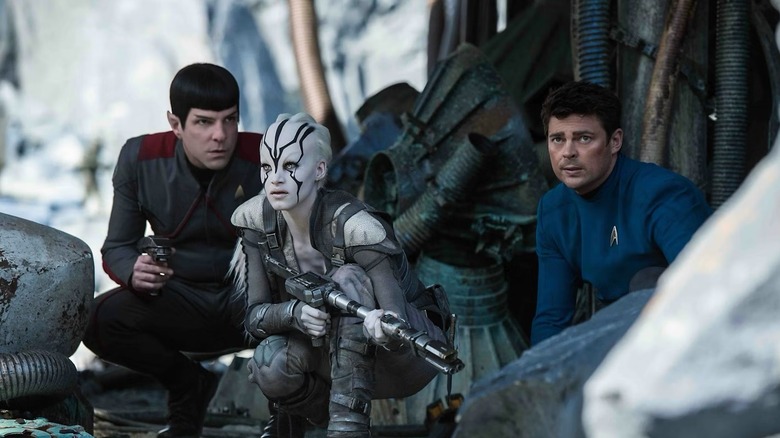
The "Star Trek" reboot in 2009 was supposed to salvage this franchise's cinematic prospects once and for all after 2002's "Star Trek: Nemesis" flopping indicated that it was time for a change. Initially, the new Kelvin timeline in "Star Trek" lore seemed like it was working out well for the franchise, but then came 2016's "Star Trek Beyond." This installment took the Enterprise crew on an adventure that was a lot more loyal to certain, hopeful aspects of its original source material while still keeping the action razzle-dazzle in high supply. "Star Trek Beyond" was an extremely rough experience for director Justin Lin, but it garnered good reviews and, on paper, should've signaled the continued strength of the franchise in theaters.
Instead, "Star Trek Beyond" was a major box office dud that came up short for a multitude of reasons. Tough summer 2016 competition and the limited international box office pull of "Star Trek" movies had ensured "Beyond" couldn't truly lift off financially. After this follow-up, Paramount Pictures cycled through countless different concepts for what a subsequent "Star Trek" movie could look like. This process resulted in a decade of unrealized movies and has kept the "Star Trek" brand out of theaters for years.
Artistically, "Star Trek Beyond" was the kind of sequel that renews rather than eliminates fan enthusiasm in a saga. At the box office, though, "Star Trek Beyond" struggled enough to keep the franchise in limbo for eons afterwards.
The Girl in the Dragon Tattoo
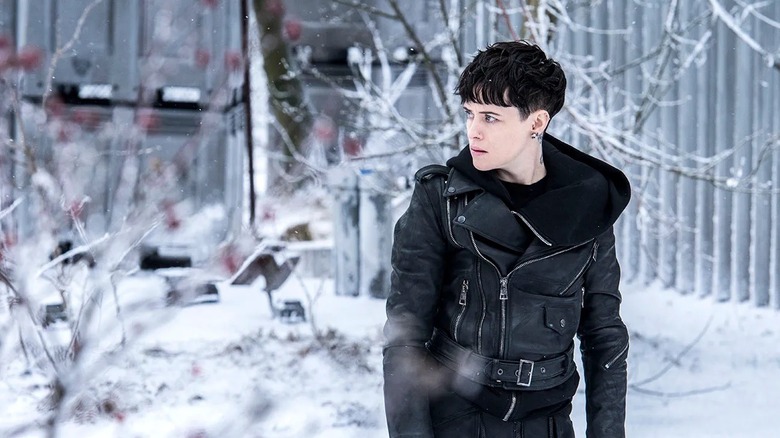
Stieg Larsson's Lisbeth Salander character has lived on through countless books beyond her most famous adventure, "The Girl with the Dragon Tattoo." Once David Fincher helmed an English-language adaptation of "Dragon Tattoo" for Sony Pictures, it was easy to imagine Rooney Mara's iteration of Salander headlining multiple films. After all, Noomi Rapace's Swedish incarnation of the character anchored a whole trilogy of motion pictures. However, a proper sequel to that 2011 film never materialized, despite the feature scoring respectable box office numbers and an Oscar nomination for Mara.
The American film exploits of Lisbeth Salander would continue on with 2018's "The Girl in the Spider's Web," which recast Claire Foy as Salander and had filmmaker Fede Alvarez taking over for Fincher. Waiting seven years to do anything new with the franchise, adapting a lesser-known novel in the series, and ditching Mara were all poor decisions that came back to haunt "Spider's Web" at the box office. This title flopped financially and obliterated any ideas of the "Dragon Tattoo" saga continuing in American cinema.
An already puzzling project conceptually (why continue Salander's story only to ditch Mara and company?) didn't even keep the brand name relevant like Sony clearly wanted. Ever since "Spider's Web" came and went so quickly from theaters, there's been nary a whisper of further American movie adaptations of the Lisbeth Salander books. The "Spider's Web" ground to a halt a character that, in literature, never stops carrying out missions.
Men in Black
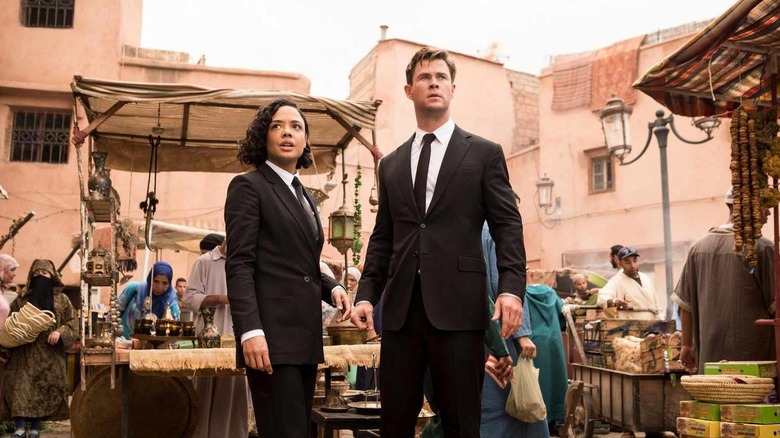
The entire "Men in Black" timeline encompasses a really weird movie franchise, particularly when it comes to the first three movies. While many other film sagas deliver installments on a regular or even annual basis, there were lengthy gaps between each of the initial trio of "Men in Black" titles. Despite extensive hiatuses — like the decade-long gap between the second and third movies — none of the initial "Men in Black" adventures made less than $441 million worldwide or $179 million domestically. This was a shockingly durable franchise at the box office, a feat one can chalk up to how excellent that original installment was.
That track record was capsized with 2019's "Men in Black: International," which set out to prove this franchise didn't have to solely rely on movies starring Will Smith and Tommy Lee Jones. Tessa Thompson and Chris Hemsworth took the reins of this outing, which cost $110 million to make. Despite scoring notable names from the then-recent hit "Thor: Ragnarok," "International" was a bust at the box office with $254.3 million worldwide, only a little more than half of what "Men in Black II" grossed globally 17 years prior.
Suddenly, the "Men in Black" franchise had its first box office dud. Any hopes from Sony brass that "International" could kick off a fresh era of standalone "Men in Black" adventures didn't happen. All it took was one underwhelming entry to derail this saga's sterling financial track record.
The DC Extended Universe
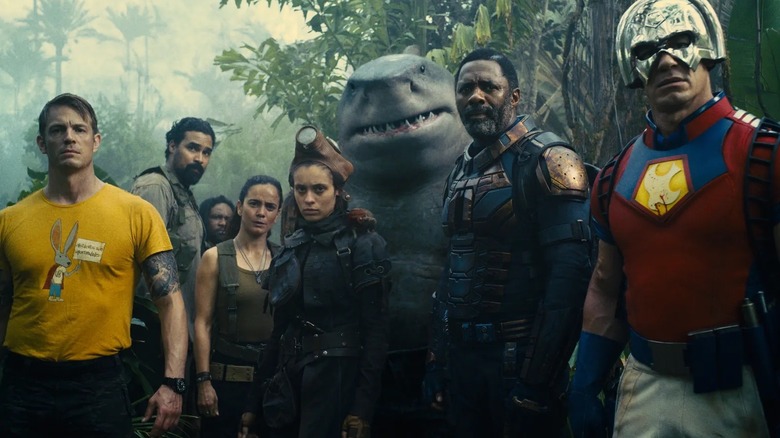
The rich history of the DC Extended Universe includes many highs for this shared continuity franchise, which began in 2013 with "Man of Steel" and ended 10 years later with 2023's "Aquaman and the Lost Kingdom." Such highs include getting the first live-action Wonder Woman and Aquaman movie adaptations to incredible box office results. However, the 2020s provided endless hurdles for the saga. The DC Extended Universe was a rare franchise to get hindered not just by one flop, but two big duds released across 2020 and 2021.
Though their critical and audience reception were drastically different, "Wonder Woman 1984" and "The Suicide Squad" were both major box office flops that forever changed the trajectory of the DC Extended Universe. For starters, the divisive response to "Wonder Woman 1984" sullied the reputation of a superhero that had previously been one of this saga's reliable anchors. Meanwhile, "The Suicide Squad" proved not even strong reviews could get the general public to see a DC movie in droves again. To boot, the specialness of DC Extended Universe movies was tarnished thanks to both these motion pictures simultaneously debuting on HBO Max when they hit theaters.
Throw in all the negative publicity associated with their respective dismal box office runs, and it's clear "Wonder Woman 1984" and "The Suicide Squad" were the wrong kinds of turning points for the DC Extended Universe. It's no wonder this franchise quickly fizzled out and got replaced by the currently ongoing DC Universe.