

5 Most Important Warner Bros. Movies Of All Time, Ranked
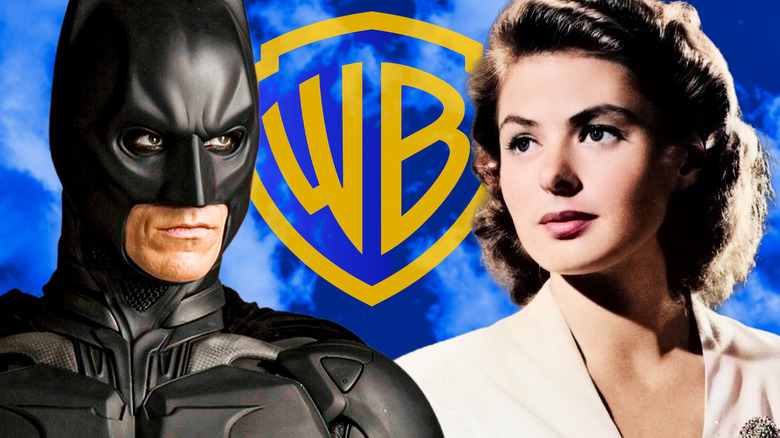
On October 6, 2026, Skydance will finally complete its acquisition of the Warner Bros. Discovery media assets, which include Warner Bros. Pictures and its various studio divisions (like New Line Cinema, Warner Bros. Pictures Animation, Clockwork, and DC Studios, among others). With this development, Skydance won't just own two (Paramount Pictures and Warner Bros. Pictures) of the entities that used to comprise the Big Six studios. It also means the Warner Bros. that has existed for over a century is officially done. Whatever Skydance does with the Warner Bros. name from now on, it'll be separate from the Warner Bros. that existed before October 6, 2026.
While precursors to Warner Bros. existed as early as 1910, Warner Bros. Pictures was created in April 1923 and christened its cinematic exploits with the silent film "Main Street." Over the following 103 years, Warner Bros. would be connected to countless seminal motion pictures, whether it was "Bonnie and Clyde," "Rebel Without a Cause," "Mad Max: Fury Road," "The Lego Movie," or so many others. As a new era begins and Skydance prepares to make Warner Bros. just another entertainment brand among many, let's look back at the five most important Warner Bros. movies ever.
These five films (ranked from "least" to most essential in cinema and Warner Bros. history, rather than outright quality) speak to wildly different eras in the studio's history and how those releases affected the larger history of film itself. They encapsulate the legacy of a studio that spent 103 years supporting artists dedicated to silver screen magic — the likes of which we may never see again.
5. Malcolm X
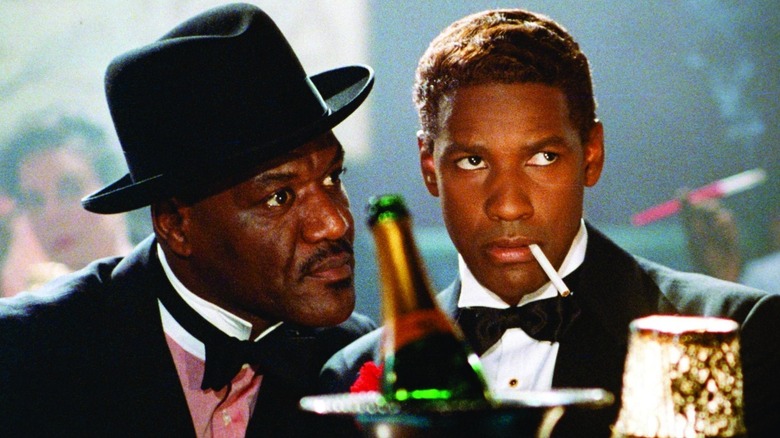
It's ironic that "Malcolm X," an example of a banned book becoming a controversial movie, is such a positive part of the Warner Bros. legacy given that the studio's leadership tried to can the film during principal photography. Director Spike Lee's refusal to adhere to executive demands that he shoot scenes set in the Middle East on the Jersey Shore caused Warner Bros. to shut down the production. Lee then had to reach out to colleagues like Prince and Michael Jordan (among many others) to help provide the rest of the movie's principal photography budget. Once they got through filming it, Warner Bros. started putting in money again for post-production.
The film Warner Bros. brass tried shutting down is now considered one of the best Denzel Washington movies ever and is a part of the National Film Registry, while no less than "Sinners" and "Black Panther" Ryan Coogler has declared "Malcolm X" the most important American motion picture ever. Such achievements alone make "Malcolm X' one of the most vital titles in the Warner Bros. library. However, its importance also emphasizes how even the leadership at an esteemed studio like Warner Bros. often (or even typically) doesn't know as much as the people actually making the films.
"Malcolm X' is essential for showing what happens when you let geniuses like Spike Lee and the film's other artists (including costume designer Ruth E. Carter) follow their creative instincts rather than studio or shareholder demands.
4. Barbie
The best female-directed movies of all time have often not been made at Warner Bros., a studio that's typically struggled to give marginalized genders a chance to step behind the camera. As late as 2013 and 2014, Warner Bros. failed to hire any folks belonging to oppressed gender identities to direct any of its films in either of those years. When Ann Sarnoff was hired to run Warner Bros. Pictures in the late 2010s, it was noteworthy on many fronts, since she now steered a cinematic ship largely known for financing "Dirty Harry" films rather than Eliza Hittman projects.
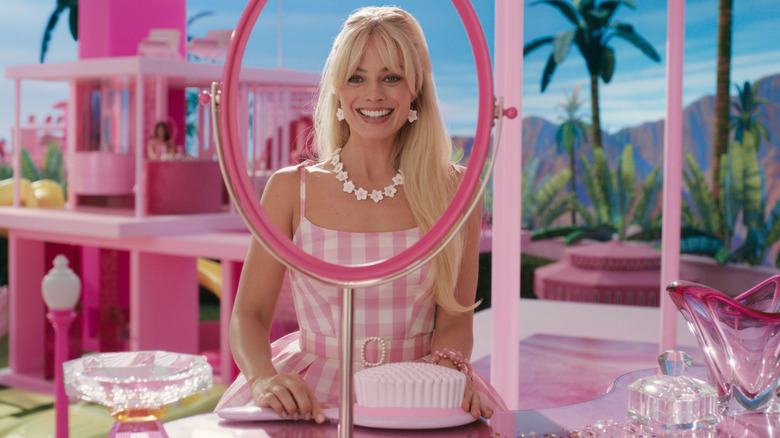
2013's "Barbie" didn't single-handedly restore gender parity to Warner Bros. (what single film could?) Just two years after "Barbie," Warner Bros. again released a slate of movies devoid of any films directed by women. However, "Barbie" becoming the biggest Warner Bros. movie of all time at the box office was a welcome upending of what lucrative titles from the studio could look like. Successful Warner Bros. films didn't need to be grim and draped in subdued colors. They could be pink, glittery, and full of gloriously offbeat humor channeling Jacques Tati movies and Conan O'Brien-penned "Simpsons" episodes.
Greta Gerwig's magnificently moving "Barbie" was an exciting anomaly in the Warner Bros. canon. Being unlike the studio's other highest grossing films was a tribute to how much Gerwig committed to her unique and phenomenal vision.
3. The Dark Knight
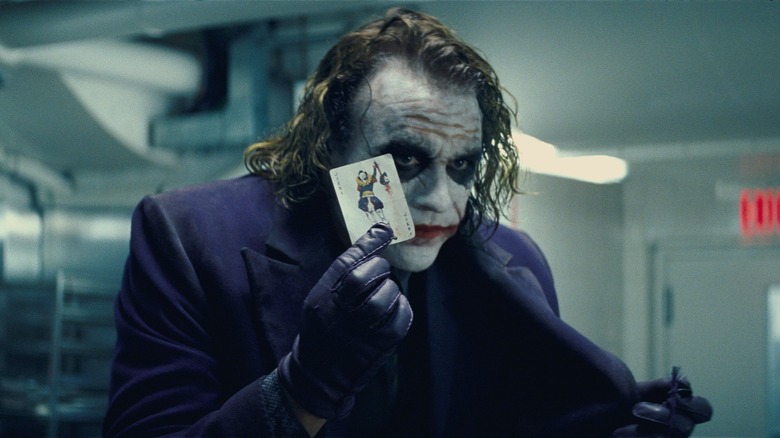
Arguably, Warner Bros. Pictures was at its peak level of box office success in the late 2000s. Blockbuster "Harry Potter" sequels, "The Hangover," "The Blind Side," "Sherlock Holmes" — the hits were coming from every genre and aesthetic imaginable. Then there was the studio's biggest feature of all time domestically for over a decade, Christopher Nolan's "The Dark Knight." Former Warner Bros. Pictures head Alan Horn putting all his chips on Nolan post-"Memento" proved an inspired move once "The Dark Knight" shattered countless box office records.
However, the Batman epic wasn't just meaningful for the studio based on pure dollars and cents. For starters, "The Dark Knight" reinforced that Warner Bros. was now the home of Christopher Nolan movies. This studio and filmmaker would have a deep relationship for the next 12 years, with Nolan's post-"Dark Knight" clout propelling titles like "Inception" and "Dunkirk" to massive box office results. Meanwhile, the more brooding "Dark Knight" aesthetic inspired Warner Bros. to take similar visual cues for its subsequent era of comic book movies. Whether it was "Joker," "Man of Steel," or "Batman v Superman: Dawn of Justice," "The Dark Knight" firmly established Warner Bros. Pictures as the home for grimmer, grimier comic book adaptations.
"The Dark Knight" even defined mid-July as a go-to launchpad for further Warner movies for years to come. There was no end to the ways this particular Batman movie adaptation influenced the post-2008 existence of Warner Bros.
2. The Jazz Singer
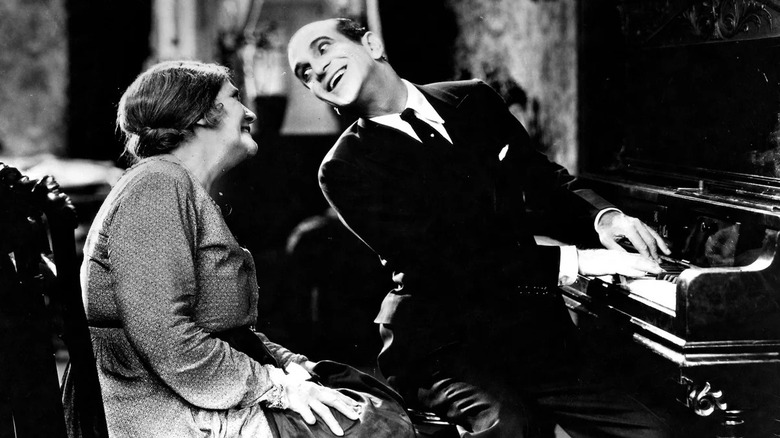
As a piece of standalone art, 1927's "The Jazz Singer" isn't held in high regard these days. This saga of Jakie Rabinowitz (Al Jolson) pursuing his showbiz dreams while trying to secure the love of his traditional, disapproving father has procured middling Letterboxd scores and largely dismissive critical assessments. Many of these rightfully lambast the film's hideous use of blackface, a dehumanizing practice that organizations like the NAACP were already protesting as grotesque a whole decade before "The Jazz Singer" premiered. Criticism over the lack of actual sound material in "The Jazz Singer" and its limp performances have also contributed to it not standing the test of time.
Yet "The Jazz Singer" was a monumental film in the history of American cinema. For one thing, it saved Warner Bros. Pictures from financial collapse just a few years into its existence. Even more importantly, the sound segments in "The Jazz Singer" proved so gigantically popular that motion pictures would never be the same. Just a few years after "The Jazz Singer" premiered, sound films were the default norm for American cinema. Warner Bros. Pictures had taken a big risk on "The Jazz Singer" and produced a game-changing feature in the process.
In salvaging Warner Bros. Pictures and inspiring further technological innovations in cinema, "The Jazz Singer" is a towering triumph. As a piece of art, though, this tedious 1927 feature has proved as enduringly entertaining as five best picture Oscar winners that are unwatchable today.
1. Casablanca
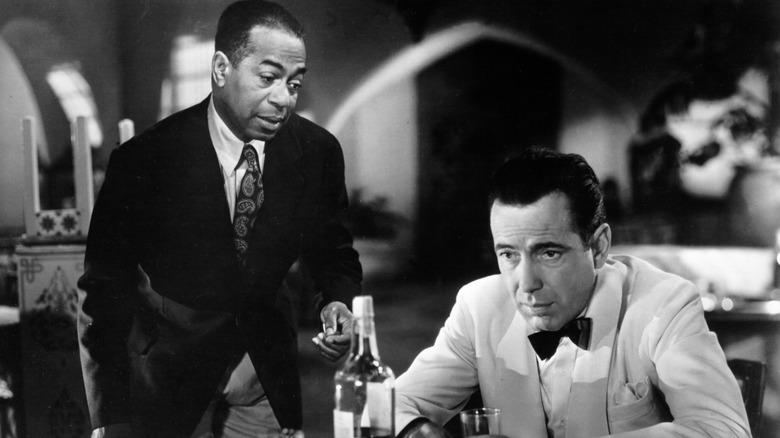
In the pantheon of movies that are practically flawless, "Casablanca" has to be up there as one especially spotless and divine motion picture. "Casablanca" just absolutely cooks in every regard. Each performance is sensational (Claude Rains, for instance, steals the show as Captain Renault). Its depictions of everyday people standing up against fascist forces are immensely moving. Humphrey Bogart's portrayal of Rick Blaine, as he goes from reclusive to sticking his neck out for an ex-flame, is impeccably realized. The evocative atmosphere cooked up by director Michael Curtiz is rife with unspoken danger. It's all so superbly realized that it's no wonder "Casablanca" stands as one of the greatest films ever made.
The legacy of "Casablanca" for Warner Bros. is a hefty one, including the fact that it was only the second film from the studio (following "The Life of Emile Zola") to score a best picture Oscar win. More urgently, though, "Casablanca" and its enduring reputation helped solidify the studio as a place of class. This wasn't just a run-of-the-mill company. This was a creative haven that could produce enduring lines like "this is the start of a beautiful friendship" and put them in movies firmly rooted in the here-and-now (as "Casablanca" did with its then-contemporary World War II backdrop).
"Casablanca" has remained such a solid part of the Warner Bros. identity that it's still referenced in more modern works from the company, like "Space Jam: A New Legacy." Such lasting relevance comes naturally to movies as gloriously crafted and stirring as this.