

5 Best Horror Movies Of The '90s, Ranked
In our nostalgia-induced society, passionate and hagiographic visions of 1990s media are everywhere. While this decade delivered lots of great art in all mediums, including in the specific realm of horror movies, not everything in the '90s was firing on all cylinders. Horror films of this era were often trapped in creative malaise during this era. But thankfully, as with any stretch of human history, good art still persists.
The greatest '90s horror movies were unafraid to embrace vividly distinctive visuals, as well as atmospheres that rooted their scares in raw, deeply human material. They took experiences like being a woman in a male-dominated career field or navigating sexual abuse trauma and used them as springboards for horror movies that people still talk about. The five best horror movies of the '90s (ranked below from "least best" to greatest based on this author's subjective opinions) displayed audacious creative impulses that all forms of cinema should take cues from. The greatest modern horror films certainly make these five '90s motion pictures proud whenever they chillingly subvert expectations.
These movies also excitingly reflect how horror can look and feel like anything; there's no limit to how scary cinema can operate. In other words, these five films are examples of '90s media worth endlessly glorifying.
5. Cronos
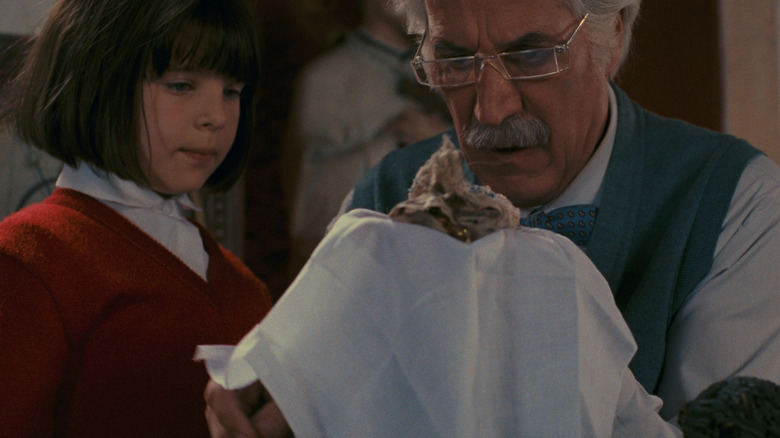
Decades before Guillermo del Toro vowed to continue fascinating viewers with animated projects after his "Pinocchio" movie, this filmmaker was a scrappy artist just looking to get his inaugural motion picture off the ground. Every Guillermo del Toro movie can be traced back to this debut title and the creative inclinations it demonstrated. That title was "Cronos," a frightening yarn about someone's greatest pleasures actually killing them. In this case, that narrative befalls Jesús Gris (Federico Luppi), who becomes fixated with a trinket known as the Cronos device. Soon, he can't live without the Cronos entity, which is a problem — both because the dying Dieter de la Guardia (Claudio Brook) wants it as well, and anyone who uses Cronos is compelled to gulp large quantities of blood.
Viewers don't have to look too closely to see visual and narrative "Cronos" elements that immediately conjure memories of subsequent del Toro features. However, "Cronos" isn't just a feature-length trailer for the director's later motion pictures; it's got plenty of exclusive virtues, including a tremendously detailed Federico Luppi performance that hauntingly captures Gris succumbing to monstrous Cronos-induced impulses. Also impressing in the cast is Ron Perlman as Angel de la Guardia, bringing a welcome nonchalant everyman ambiance to this heightened tale.
"Cronos" has potent scary moments and great practical effects work, and it also establishes the aching tragedy and transfixing ambiances that would define del Toro's towering legacy.
4. Scream
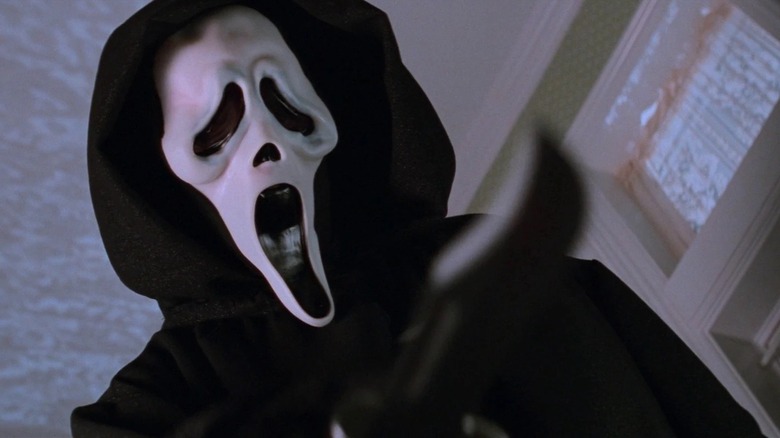
It's impossible to overstate what a dire place the American horror movie scene was in the mid-1990s. Many of the worst movies of the decade were horror titles exemplifying the derivative creativity and tepid scares defining so many of these films. Once ominous slasher baddies had become outright cuddly thanks to countless sequels. Suddenly, in December 1996, one title came out and injected some potent, terrifying new blood into this beleaguered genre. "Scream" was a miracle movie that wasn't just good on its own merits; it also demonstrated that American horror films could still pack a terrifying wallop.
The initial story of Sidney Prescott (Neve Campbell) contending with some killer in a Ghostface mask and black cloak was a genre-savvy exercise that used its knowledge of horror cinema tropes to make the "Scream" characters akin to the young people watching the film. Meanwhile, its visceral, chillingly unpredictable gore-soaked set pieces were a welcome reprieve from the hollow scares littering so many '90s horror movies. When knives plunge into bodies in "Scream," it still feels repulsive and unnerving. There's a grimy rawness to the carnage that's enduringly potent in the 2020s. One can only imagine how it felt seeing this material for the first time in 1996.
Even with so many bad sequels diluting the "Scream" brand name, nothing can take away the accomplishments of its first installment. The astonishing craftsmanship displayed here was the life that the horror genre desperately needed in the '90s.
3. The Blair Witch Project
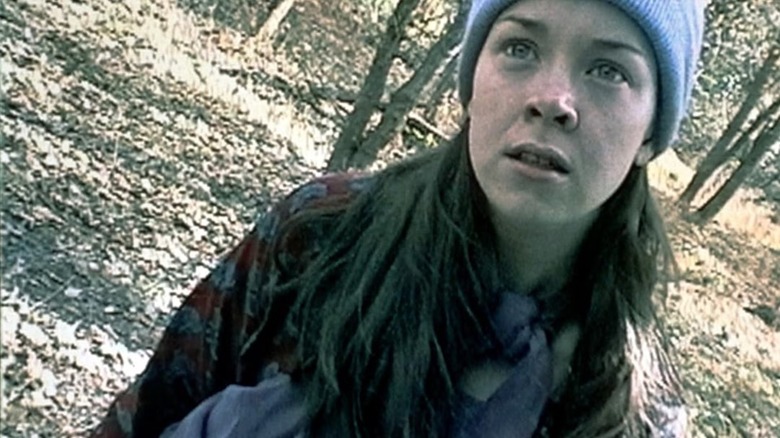
The found footage horror movies that are actually good stand as welcome reprieves from a genre that's often cheaply made, shoddily shot, and rife with disappointing scares. In the years since "The Blair Witch Project" helped popularize this mold of horror cinema, deeply dismal titles like "Devil's Due," The Devil Inside," and "The Last Exorcism" (among many others) have given this cinematic realm a bad name. However, 1999's "The Blair Witch Project" still stands tall as the poster child for how good these movies can be. Much of that comes from how effectively directors Eduardo Sánchez and Daniel Myrick make everything on-screen feel so raw and unnervingly unscripted.
In his "Blair Witch Project" review, film critic Roger Ebert compared Heather's final self-filmed, tear-laden apology to "explorer Robert Scott's notebook entries as he froze to death in Antarctica." Evoking such raw segments of reality speaks highly to how captivatingly grim the "Blair Witch Project" atmosphere is. Plus, in comparison to other found footage horror movies that overload viewers with indistinguishable jump scares, "The Blair Witch Project" wrings ominous horror out of impending dread. The concept of things slowly spiraling out of control and the doom that's around the corner in this darkened forest is enough to inspire nightmares for days.
Even being shot with late '90s camcorders gives "The Blair Witch Project" an extra sense of creepiness. These characters are heading out into the terrifying wilderness with only arcane filming equipment to their name. That chilling detail exemplifies how "The Blair Witch Project" puts nearly all other found footage films to shame.
2. The Silence of the Lambs
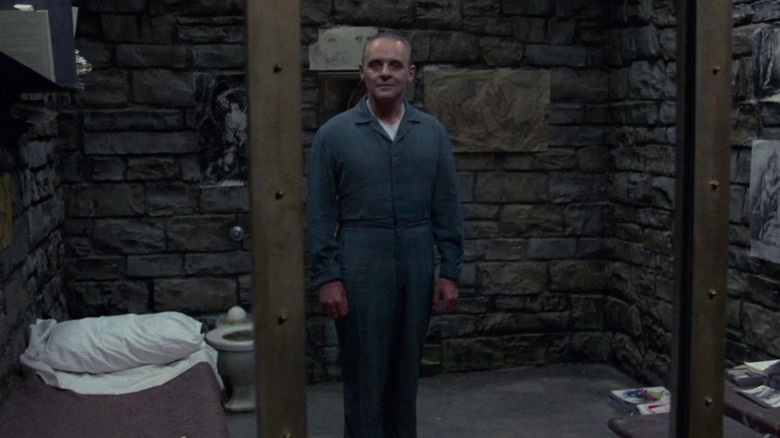
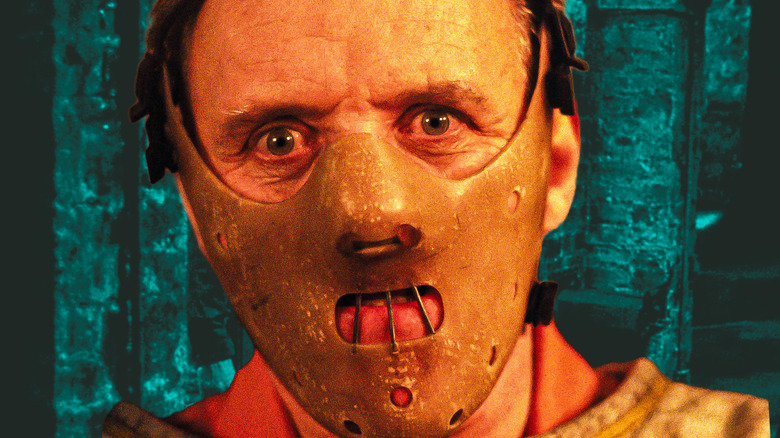
So many 1990s horror movies were limply filmed endeavors. Reinforcing that reality is the glorious imagery littering every inch of Jonathan Demme's 1991 masterpiece "The Silence of the Lambs." As one would expect from an extraordinary artist responsible for works ranging from "Stop Making Sense" to "Rachel Getting Married," Demme's visual impulses in "Lambs" are nothing short of exquisite. What's especially impressive is how divinely his camerawork tendencies work in putting audiences into the head of Clarice Starling (Jodie Foster) and how she navigates a male-dominated field. An unforgettable wide shot of her getting into an elevator dominated by significantly taller men is a great microcosm of this facet.
That's one of the most inspired details in "The Silence of the Lambs." As expected, the scares in this feature come from the ticking clock of Buffalo Bill (Ted Levine) kidnapping a young woman, as well as the barbaric potential of the incarcerated Hannibal Lecter (Anthony Hopkins). However, much of the scares also come from Starling just trying to navigate a world built for and by men. This exceptionally realized detail gives "Silence of the Lambs" both some potent fright moments and accentuates the compelling nature of a plot about Starling trying to save a lady from a serial killer.
A top-notch title in every aspect, the richly concocted hidden details in "The Silence of the Lambs" alone guarantee repeat viewings are a requirement for this masterful production.
1. Twin Peaks: Fire Walk with Me
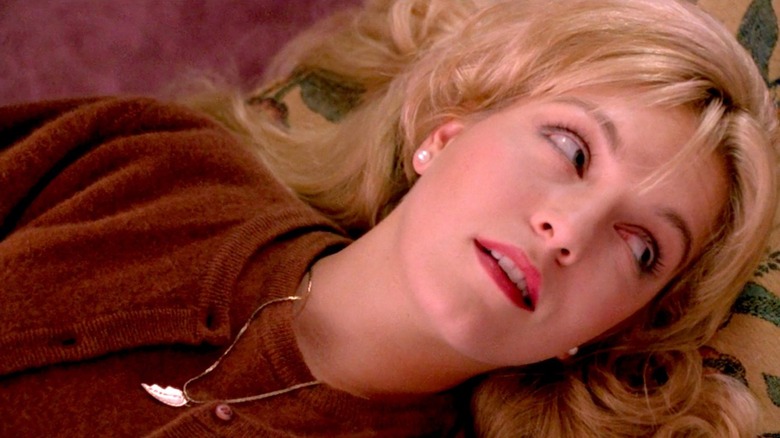
The scariest thing in the world isn't the machinations of Jigsaw or an impending attack from Freddy Fazbear. It's not being heard; it's having your humanity ignored. Laura Palmer (Sheryl Lee), the lead of "Twin Peaks: Fire Walk with Me," knows this reality. This "Twin Peaks" prequel follows Palmer's nightmare life just before her murder. Whether she's at dinnertime with her family or being ignored by a boy her age, Palmer's life is one of being invisible — except for when she's abused. Writer and director David Lynch's exploration of this existence is shattering and bound to leave any viewer sitting in silence afterwards, processing the heartbreaking images they've just witnessed.
Despite how appropriately grueling this enterprise is, "Fire Walk with Me" doesn't lapse into being ceaseless, hollow misery or exploitative storytelling. Instead, Lynch uses his trademark ingenious imagery impulses to vividly and uniquely realize how trauma and emotional distress can hit Palmer at any moment. Meanwhile, Lee's bravura performance is absolutely chilling in capturing both Palmer's anguish and humanity. Her delivery of lines like "your Laura disappeared" are unspeakably haunting. Similarly evocative and eerie is Angelo Badalamenti's score taking familiar "Twin Peak" melodies and contorting them into something new.
Initially critically derided, "Twin Peaks: Fire Walk with Me" was one of those '90s movies it took years for people to understand, with many folks — including Quentin Tarantino — initially finding it too impenetrable. Now, though, its artistry and thoughtful exploration of abused psyches stands tall as a masterpiece, one of Lynch's most accomplished works, and the pinnacle of 1990s horror cinema.