

All 5 Spy Kids Movies, Ranked From Worst To Best
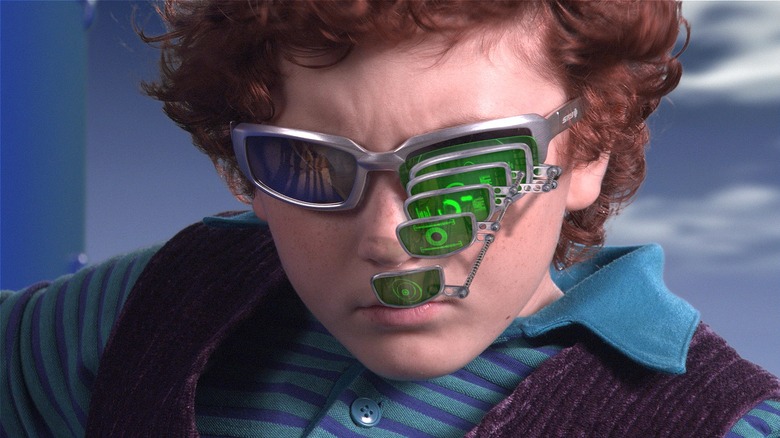
In 2001, the American cultural landscape experienced a classic example of a movie that became an unexpected blockbuster. "Spy Kids," an original live-action family film from director Robert Rodriguez, debuted in March 2001 to a significantly better opening weekend than anyone could've dreamed of, aided by great word-of-mouth and a fun concept of an entire family working together as spies that appealed to all ages. This shockingly solid performance didn't just add another financial winner to Rodriguez's track record. It also kick-started a film series that would keep producing new installments for decades to come.
There are now five "Spy Kids" entries, all helmed by Rodriguez. The series has gone everywhere from the streaming landscape to 3D storytelling to an island full of monsters and everywhere in between. There's so much going on in these chaotic motion pictures that it's easy to lose track of what makes these individual films tick. Ranking all five "Spy Kids" installments from worst to best, though, provides a fascinating look into the inner workings of this saga.
Such an examination inevitably reveals some cracks, including some sequels that nearly ruined the franchise. Still, going through the ups and downs of the "Spy Kids" adventures reaffirms the better qualities that have made these movies so beloved.
5. Spy Kids: Armageddon
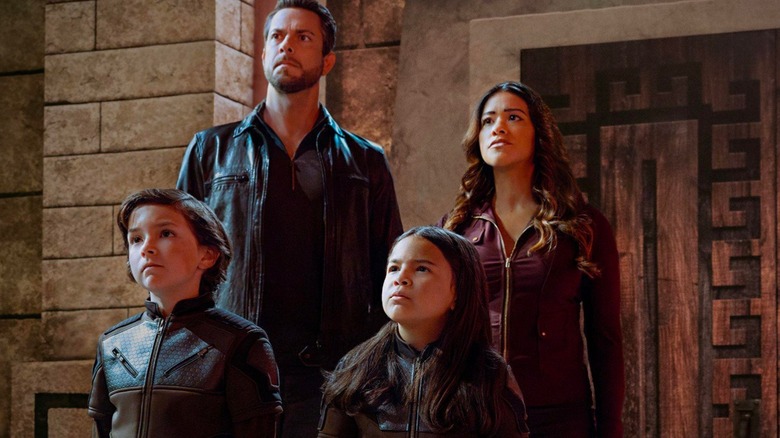
For many, reading the number "five" in the headline of this piece will understandably inspire confusion. After all, aren't there only four "Spy Kids" movies? In 2023, though, Netflix, Skydance Media, and director Robert Rodriguez revived this franchise with an unnecessary sequel with "Spy Kids: Armageddon." One of the worst movies of 2023, "Armageddon" more than earned its eventually obscure status thanks to its dismal quality.
The strangest part of "Armageddon" is how it continues the absolutely abysmal casting choices plaguing post-2003 "Spy Kids" movies. In the original "Spy Kids" films, adolescent moviegoers were introduced to cinema legends like Steve Buscemi, George Clooney, and Ricardo Montalbán. Meanwhile, "Armageddon" forced audiences to endure Zachary Levi's "acting." This was one of many underwhelming qualities audiences and critics alike found utterly torturous in "Armageddon." Also not helping matters were the crude visual effects and lame punchlines. The "Spy Kids" franchise always included dumb humor, but the worst "Armageddon" gags made past entries look like Jacques Tati's "Playtime" in comparison.
Luckily, "Spy Kids: Armageddon" was dumped onto Netflix with minimal promotion in September 2023, ensuring wide swathes of people wouldn't be exposed to its toxicity. This installment's appeal was limited to the two or three people who felt the original "Spy Kids" adventures desperately lacked Zachary Levi.
4. Spy Kids: All the Time in the World
Much like Zachary Levi intruding on the "Spy Kids" franchise, Robert Rodriguez decided that what this saga needed with fourth entry "Spy Kids: All the Time in the World" was Ricky Gervais. Here, Gervais drops countless quips as a mechanical doggie whose full of fighting skills and gadgets. In recent years, the original "Spy Kids" movies have been lauded for providing positive Latino representation for youngsters in the early 2000s. It's utterly bizarre, then, that "All the Time in the World" dedicates large swathes of screentime to the vocal antics of a white British comedian.
That's one of many puzzling shortcomings that have plagued the reputation of this entry, alongside its inability to conjure up an enjoyably fresh plot for its new adolescent protagonists. The rest of the new cast, meanwhile, was a major downgrade, with Jeremy Piven and Joel McHale joining Gervais as the film's most inexplicable and underwhelming performers. Mostly, though, the critical reception to "Spy Kids: All the Time in the World" lamented how the spry fun from earlier entries was gone. This outing was going through the motions and trying desperately to recreate what audiences had already seen to minimally effective results.
"All the Time in the World" wasn't quite a dismal enough fourth installment that ruined its film series, but it was still a subpar endeavor. Not even dialing back the Ricky Gervais schtick could've saved it.
3. Spy Kids 3-D: Game Over
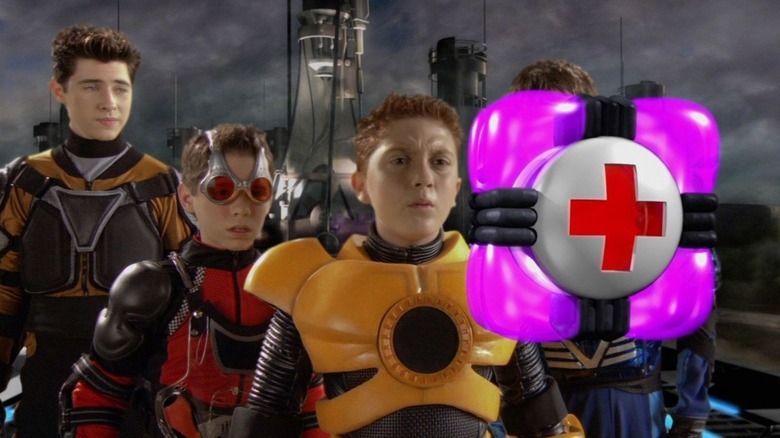
Wading through the modern evaluations of "Spy Kids 3-D: Game Over," it's nearly impossible to discern the actually positive reviews from wistful write-ups from nostalgic adults who saw the film as children. The assorted Letterboxd reviews for this entry, for instance, are just a collection of people rehashing their favorite lines or inexplicable moments from "Game Over." Clearly, this third installment struck a chord with some of the young viewers that experienced it back in 2003. The initial reviews from when "Game Over"debuted, though, do signal the larger problems plaguing this installment.
As reviewers like Roger Ebert astutely observed, anyone stuck watching the film in 3D during its initial theatrical release would've been trapped with a drab-looking version of what was supposed to be a colorful extravaganza. Meanwhile, the heavy emphasis on entirely digital backgrounds and characters already looked underwhelming back in 2003. Decades later, these digital elements have aged like milk.
On the other hand, writer/director Robert Rodriguez at least continued his heavily imaginative streak with the kookiest corners of this entry's narrative. Plus, juxtaposing all the outlandish material with a shockingly stacked cast (including George Clooney as the President of the United States) yields some amusement, especially in a final barrage of cameos. "Spy Kids 3-D: Game Over" epitomizes all the noisy lows and weirdo highs of the "Spy Kids" adventures.
2. Spy Kids 2: The Island of Lost Dreams
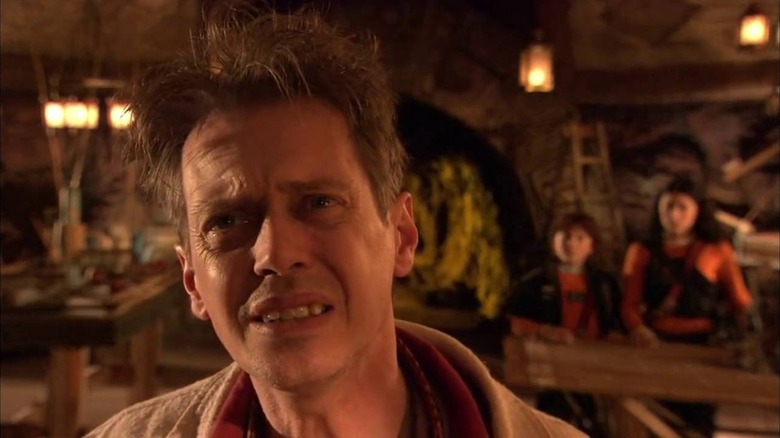
Like many of the New Hollywood auteurs of the '60s and '70s, the Indiewood directors responsible for some of the best movies of the '90s, like Robert Rodriguez, played off movies they'd grown up loving. However, whereas filmmakers like Martin Scorsese and Francis Ford Coppola took those familiar genres to grimier, more harrowing places, Rodriguez, meanwhile, just wanted to make the most extreme versions of vampire films ("From Dusk till Dawn") or vengeful Westerns ("Desperado") imaginable. These weren't subversions of the past. They were expansions of it.
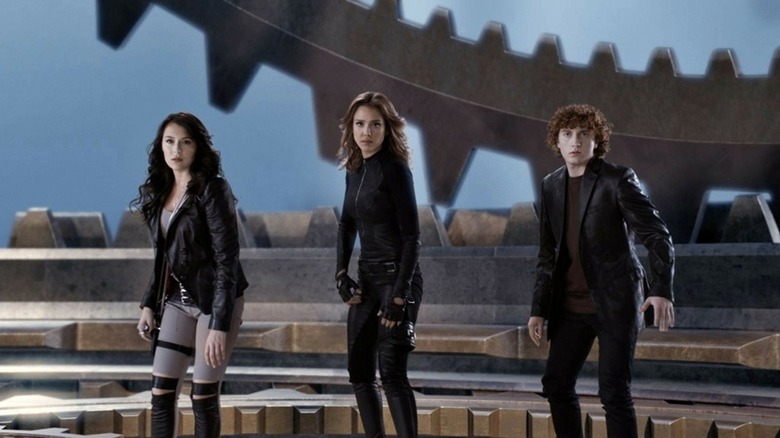
"Spy Kids 2: The Island of Lost Dreams," though a PG-rated family film, continued this trend from Rodriguez. This time, lead characters Carmen (Alexa Vega) and Juni Cortez (Daryl Sabara) were off on an adventure that Rodriguez openly declared a homage to old Ray Harryhausen movies. The result was a generally well-liked follow-up that received plenty of kudos for its creative creature design and imaginative spectacle. Conjuring up memorable roles for the likes of Bill Paxton and Steve Buscemi didn't hurt either.
Best of all, "Island of Lost Dreams" offered young moviegoers an introduction into yesteryear cinema without lapsing into being a lifeless recreation of the past. Robert Rodrguez's bridge between two eras of film history wasn't flawless, but many found it to be plenty fun, especially when compared to later, more subpar "Spy Kids" outings.
1. Spy Kids
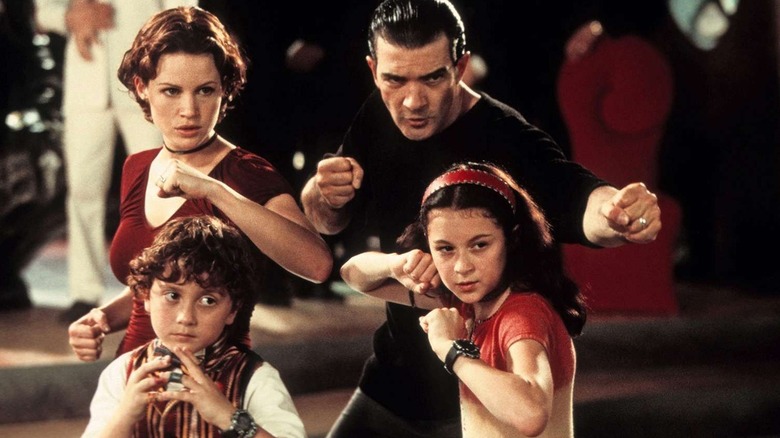
When you create a lightning-in-a-bottle sleeper hit, it's nearly impossible to recreate that magic. So it is with the original "Spy Kids," a 2001 box office hit that's remained immensely admired by general audiences. Subsequent "Spy Kids" movies have tossed countless gimmicks into the face of viewers (like 3D or scratch-and-sniff 4D antics) to try and liven up this saga. However, none of these flourishes have come close to replicating the entertainment audiences experienced with that initial "Spy Kids" adventure.
Many retrospective reviews on sites like Letterboxd, understandably, come from nostalgic adults marinating in fond memories and the tremendously fun nature of Alan Cumming's performance. However, there are deeper pockets of appreciation for what this inaugural "Spy Kids" adventure accomplished, including its endearingly sincere approach to its high-concept premise. The similar conviction underlining its production design and performances from actors like Antonio Banderas have also persisted as go-to areas of praise.
Best of all, this entry, unlike many of its sequels, isn't frantically trying to recreate the success of "Spy Kids." It's a film unburdened by larger franchise demands or audience expectations. Thus, this feature could follow its own creative instincts to entertaining effect.