
5 Most Influential Horror Movies Of The 21st Century (So Far)
As "Obsession" and "Backrooms" rewrite all the box office rules in 2026, it's clearer than ever that horror cinema has captured the general zeitgeist. The genre is in an especially prosperous position in the modern era, as audiences flock to the cinema for scary motion pictures of all kinds. The decade's thriving horror scene got off to an immediate great start with the best horror movies of 2020 and hasn't let up since. However, just because we've seen horror cinema so especially flourishing doesn't mean this is the only point in the 21st century when horror has been firing on all cylinders.
In fact, the five most impactful horror movies of the 21st century show how every corner of the modern cinematic landscape has produced tremendously potent productions. Being an influential motion picture isn't the same as being a flawless masterpiece; some of these horror movies are heavily flawed creations that haven't stood the test of time. However, all five of these features were momentous turning points for the American horror scene in very crucial ways. Some of them redefined what kind of horror features got made in the mainstream cinema scene, and others established valuable production companies and producers that would spearhead further acclaimed horror features.
However they've carved out a tremendous legacy, the five most influential horror movies of the 21st century so far are a fascinating batch of films. All of these movies provide a blueprint for the modern renaissance that horror cinema is currently experiencing.
The Texas Chainsaw Massacre (2003)
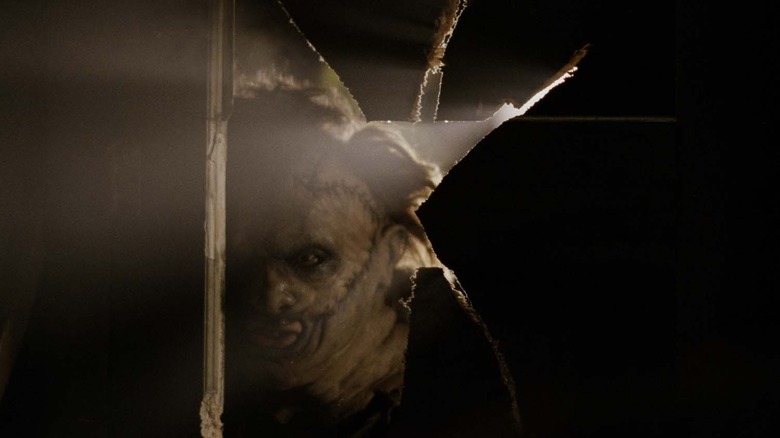
The 2003 "Texas Chainsaw Massacre" remake doesn't have a large fanbase in the modern world. People aren't quoting it endlessly online, and GIFs of any memorable moments are pretty hard to find. It's certainly not in any discussions of the 10 best horror remakes of all time. But despite these facets of reality, "Texas Chainsaw Massacre" was still a major turning point for American horror. When it first debuted just in time for Halloween 2003, this Marcus Nispel directorial effort was a major moneymaker. Suddenly, Hollywood saw a new way to exploit familiar horror brand names. With then-recent titles like "Jason X" missing box office expectations, the tried-and-true practice of just creating endless sequels to famous '80s horror titles was no longer working.
"Texas Chainsaw Massacre," though, suggested studios could just start fresh with familiar slasher villains and horror franchises. Remakes, not sequels, were the new order of the day. An avalanche of further horror remakes dominated theaters for the rest of the 2000s and even the early 2010s. As late as 2015, titles like Gil Kenan's "Poltergeist" were clearly cribbing from the "Texas Chainsaw Massacre" playbook. Meanwhile, this Leatherface adventure was the inaugural title from the production company Platinum Dunes.
This outfit would be a major force in American horror for decades to come, first in remakes like "Friday the 13th" and then newer fare like "A Quiet Place." This "Texas Chainsaw Massacre" iteration left a massive mark on horror — despite the film itself being subpar.
Paranormal Activity
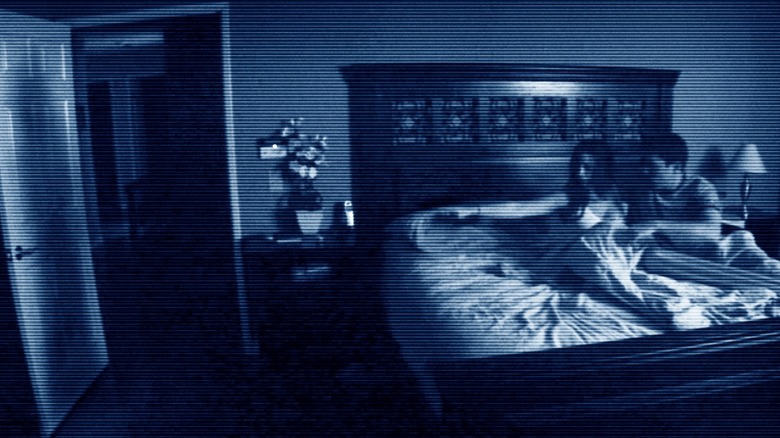
Long before any Blumhouse movies were released into theaters, producer and Blumhouse founder Jason Blum was a Miramax executive that had only gotten a few movies (none of them horror) released under the Blumhouse name. He came across a little movie called "Paranormal Activity" during that feature's post-production phase and jumped on as producer. Once it finally hit theaters in late 2009, "Paranormal Activity" became an indie sensation that audiences just had to see. It wasn't the first found-footage hit, as "The Blair Witch Project" and "Cloverfield" can attest. However, "Paranormal Activity" did spur a bunch of further found-footage horror movies hoping to copy its box office success.
The early 2010s were flooded with creepy features captured on camcorders, like "Chernobyl Diaries" and "The Devil Inside." More lastingly, "Paranormal Activity" inspired Blum to go all-in on horror at Blumhouse Productions. To boot, these titles would follow the small-scale and cash-strapped model of "Paranormal Activity." Blumhouse horror films were thriftily made in the hopes of securing the immense profitability of its previous sleeper hit. By the mid-2010s, this label would become legendary in the horror movie scene for financing features like "The Purge," "Insidious," and "The Visit."
The road to larger Blumhouse successes like "Get Out" was paved with all the confidence Blum and company garnered from "Paranormal Activity." There's no way Blum could've imagined all of this would emerge from taking a chance on watching a "Paranormal Activity" screener in the late 2000s.
The Conjuring
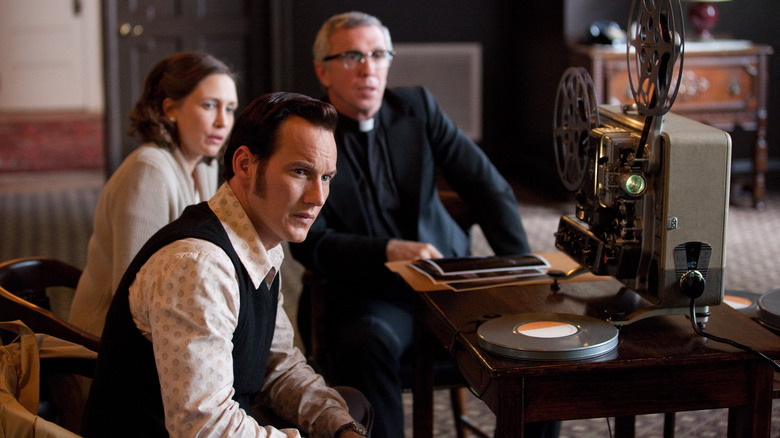
The entire "Conjuring" universe story started with one 2013 horror film: James Wan's "The Conjuring." Now a well-known smash hit, this project took a massive risk by opening on July 19, 2013. Before that year, only a handful of horror titles (namely 1999's two big hits "The Blair Witch Project" and "The Sixth Sense") had proven lucrative opening in the summertime. Largely, though, this genre was unleashed during slower times of the year, like the first weekend of January. Dropping "The Conjuring" a week after "Pacific Rim" and a week before "The Wolverine," on paper, looked like it could go horribly wrong so quickly. As history has shown, though, this release date proved perfect for "The Conjuring."
A major hit that became the 11th biggest movie of summer 2013, "The Conjuring" proved there was immense viability in unleashing a quality horror movie in the bustling summer season. When done right, an R-rated horror film like "The Conjuring" provides perfect chilling counterprogramming to a bunch of family-friendly tentpoles. Since "The Conjuring," summertime has become a go-to destination for major horror box office hits. "Nope" and "The Black Phone," for example, were both major smashes in summer 2022. Then there's May 2026 juggernauts "Backrooms" and "Obsession," which blew everyone away at the box office.
It's difficult to imagine those scary titles feeling comfortable with their respective summer 2026 launches if "The Conjuring" hadn't upended the horror release date standards. The cultural impact of "The Conjuring" clearly goes beyond spawning endless sequels.
The Witch
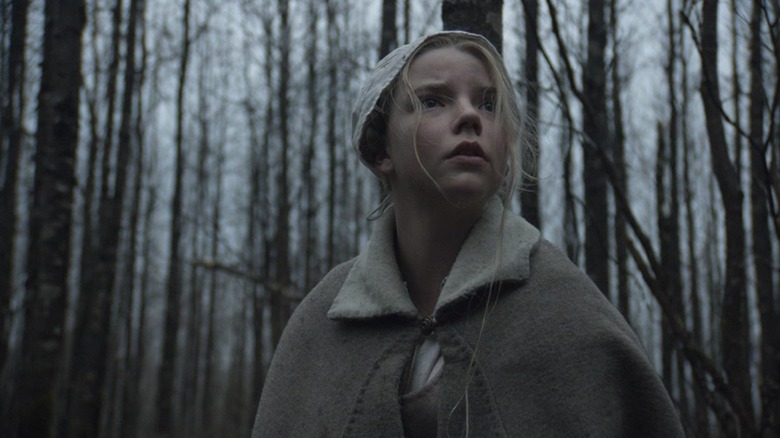
Never forget, "The Witch" almost never went to theaters. When this Robert Eggers directorial effort was first acquired for U.S. distribution out of its 2015 Sundance Film Festival premiere, A24 bought the film with DirecTV. The norm for films that A24 and DirecTV released (like "Enemy") was prioritizing DirecTV debuts first, and then very limited theatrical releases after. That strategy would've limited its audience base tremendously and ensured practically nobody could've experienced its dark wonders on the big screen. Luckily, by the time "The Witch" was properly released theatrically in North America in February 2016, DirecTV's presence was limited to being just a tiny logo on the film's poster.
A24 opting to launch this project in a wide theatrical release didn't just give the studio a box office hit. It also established A24 as a label where idiosyncratic horror movies could thrive. This breakthrough title was quickly followed up by further A24 horror films, including "Hereditary" and "It Comes at Night." Meanwhile, the cost-effective yet impactful marketing campaign of "The Witch" served as a model for how this outfit could successfully promote its subsequent horror titles even without the money of Universal Pictures. Some of the biggest A24 movies of all time were all made possible by "The Witch."
As "The Witch" and other Eggers works inspire a new generation of horror artists, the mind reels at what the post-2016 horror cinema landscape would've looked like if this feature debuted on DirecTV.
Get Out
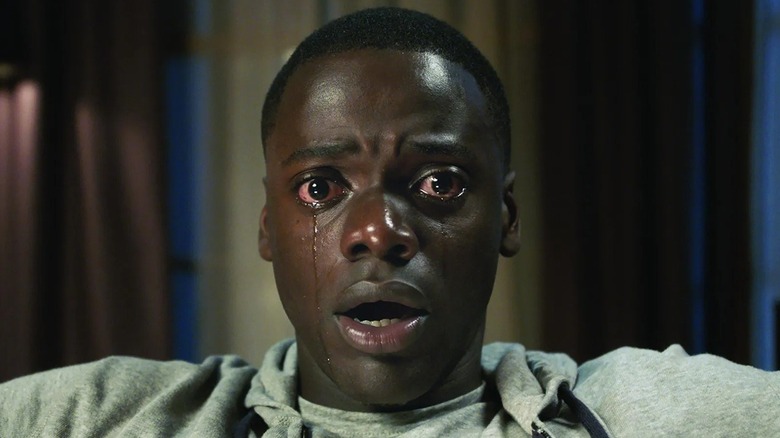
While "The Conjuring" and "It Follows," among other films, had started getting the momentum for 2010s horror rolling, it was 2017's crop of horror features that really sent this genre rocketing into the stratosphere. Hits like "It" and "Annabelle: Creation" were making financial waves while reaffirming the value of horror as a theatrical experience. The most lastingly influential of that year's films, though, was also one of its most lucrative and acclaimed. Jordan Peele's directorial debut "Get Out" was a cultural behemoth that forever reshaped the American horror movie landscape.
For one thing, this production established Peele and his label Monkeypaw Productions as masters of the horror genre. Subsequent Peele directorial efforts like "Us" and "Nope" further bolstered this genre — a feat that, just on its own, speaks highly of the legacy of "Get Out." Then there's the array of post-2017 American horror films that clearly took cues from "Get Out," including being horror features helmed by comedy directors. Zach Cregger's slate of films like "Barbarian" or the exploits of Curry Barker were clearly made possible by Jordan Peele's success when transitioning from yuks to shrieks.
Most intriguingly, "Get Out" reaffirmed that audiences would pay to watch horror fare rooted in uncomfortable reality (a storytelling mode this genre has always excelled in), rather than just remakes treading familiar ground or found-footage movies wringing scares out of excessively jittery camerawork. The horror cinema world endlessly benefited from "Get Out" leading the charge in a revolutionary year for this genre.