

Harlan Ellison Wrote The All-Time Best Star Trek Episode. Here's What The Next Reboot Can Learn From It
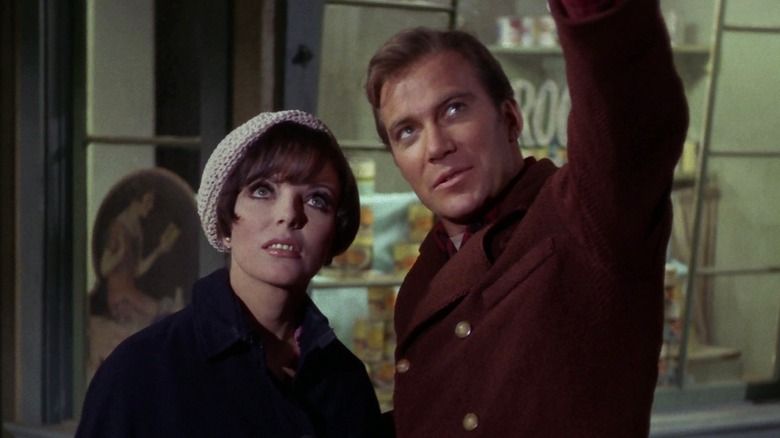
"The City on the Edge of Forever" is the best Star Trek episode because it truly understands what the franchise is about: the challenges that come with being human. And this is exactly what a Star Trek reboot would need to learn from and course correct to get back to the glory days.
The fact that the Harlan Ellison-penned episode is roughly six decades old and still resonates says it all. It's a powerful universal story about the ethical dilemmas that humans sometimes face in their lives. No matter which decision is made, somebody loses in the end. It becomes about choosing the greater good, but then again, who has the right to determine this? And what toll does this take on the individual who makes this choice?
As a franchise, modern Star Trek has lost a bit of sparkle to its storytelling magic, choking out the tales about the human experience by generalizing its characters and focusing more heavily on the sci-fi elements and imitating its galactic all-guns-blazing cousin, Star Wars. This isn't to say it's unwatchable, but is it still Star Trek? The series was originally envisioned as an exploration of human problems through the lens of sci-fi, and it's important that any Star Trek reboot embraces that aspect rather than run from it.
Why The City on the Edge of Forever resonates
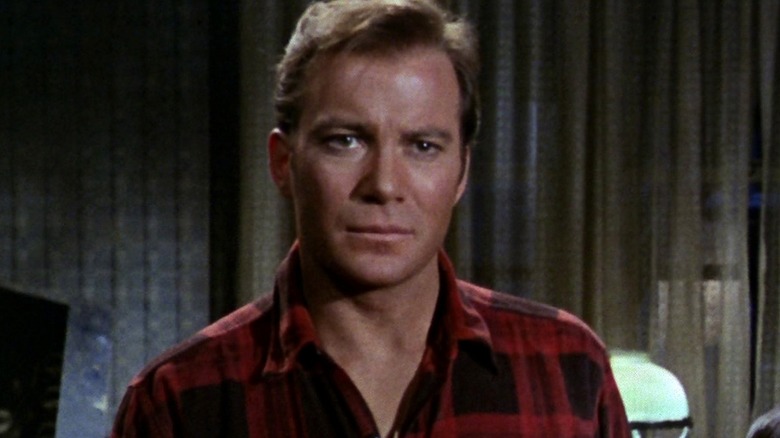
While Harlan Ellison is the only credited writer for "The City on the Edge of Forever," other scribes had a hand in bringing it to life. Unsurprisingly, Ellison detested the episode — mostly because changes were made to his script and he wanted better compensation. Then again, Ellison hated the Hollywood system as a whole, so it's on brand here.
The story sees Captain James T. Kirk (William Shatner) and Spock (Leonard Nimoy) head back to New York City in the 1930s to find Dr. Leonard McCoy (DeForest Kelley), who accidentally overdosed on cordrazine, turned frantic, and jumped through a time portal. In his manic state, McCoy alters the timeline, rendering the Federation obsolete, so it's up to Kirk and Spock to stop him before he changes their future. In the past, though, Kirk falls in love with Edith Keeler (Joan Collins), which is all fine and dandy until Kirk finds out that McCoy saved her from death — and that's the key point that alters history. In other words, Edith Keeler must die for Kirk's world to exist.
This phenomenal Star Trek episode features other intricacies and butterfly effect scenarios, such as how Keeler would have changed the future of the United States and brought peace. However, the consequence of this would have seen Nazi Germany being the one to develop the atomic bomb and win the war. It places Kirk in quite the predicament. Does he follow his heart and save Edith, or sacrifice the individual for the millions who will be spared? Whichever choice he makes, he'll carry the consequences of his decision for the rest of his life.
Star Trek doesn't need to be about flash
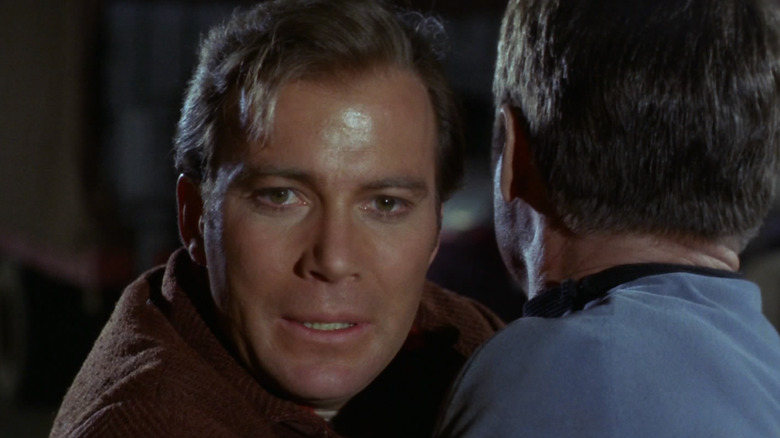
One of Gene Roddenberry's founding principles was that Star Trek needed to be about humanity facing challenges through the lens of sci-fi. Of course, there was always a need for it to be entertaining and captivate the audience's attention, but nowhere did it say that it needs to be teen melodrama ("Star Trek: Starfleet Academy"), or an obvious Star Wars ripoff ("Star Trek: Discovery"). Somewhere along the line, this changed, as the franchise lost itself in style over substance.
As one of the saddest episodes of Star Trek ever, "The City on the Edge of Forever" hits right in the feels, without any need for grandiose spectacle. Besides its sci-fi premise of time travel, there are no aliens or space combat here; it's a stripped-down, heart-on-its-sleeve story rooted in the human experience. The characters and premise carry the episode, as you become engrossed in what's unfolding, pondering which decision Kirk will make, or if he might find a loophole to save Edith Keeler and still restore the original timeline.
While I love the noisy Marvel movies as much as the next person, Hollywood's over-reliance on special effects has poisoned the industry into thinking bigger is better. Modern Star Trek is guilty of falling into this pitfall too, and if it wants to return to what the franchise is at its core, a reboot would need to get back to basics and realize story trumps effects every single time.
The show needs to ask hard questions about humanity
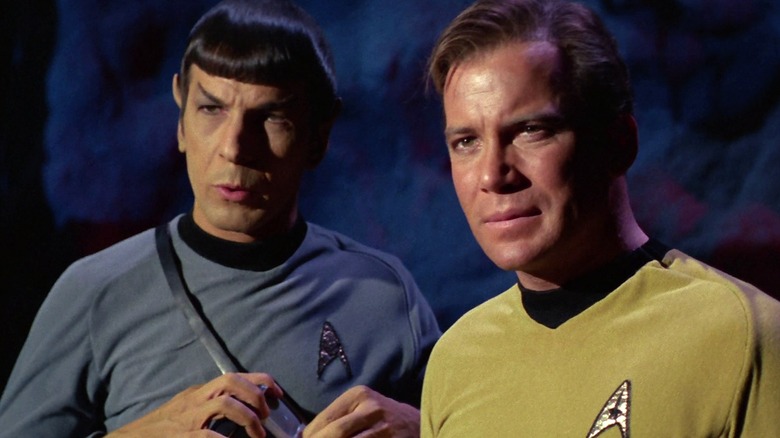
Spoiler alert: "The City on the Edge of Forever" doesn't have a happy ending. When the credits roll, I get a lump in my throat. It makes me question what I would do in the same situation. Second spoiler alert: if my dogs were involved, sorry to say I would sacrifice every multiverse for them.
The point is that the mission was accomplished by Harlan Ellison and Star Trek. Even if Star Trek features a more compassionate and evolved form of humanity, the episode demonstrates how this decision proves to be equally devastating — whether it be in 1930, 2026, or 2266. The pain burns behind Captain Kirk's eyes, while even Spock and Leonard McCoy know the toil that this choice must have had on their friend's conscience. In their heads, they know they made the right choice, but their hearts carry the burden of the decision.
Modern-day Star Trek misses this point completely. The characters appear to have left humanity in their dirty pair of pants, as they come across as edgier and emotionally detached individuals. Where's the fire? Where are the choices that tear them up from the inside out? Being human is messy and unpredictable, and that's something the franchise needs to find again. What does it mean to be human? There's no right or wrong answer here, but it's a frontier that needs to be explored.
How a Star Trek reboot can become undeniable
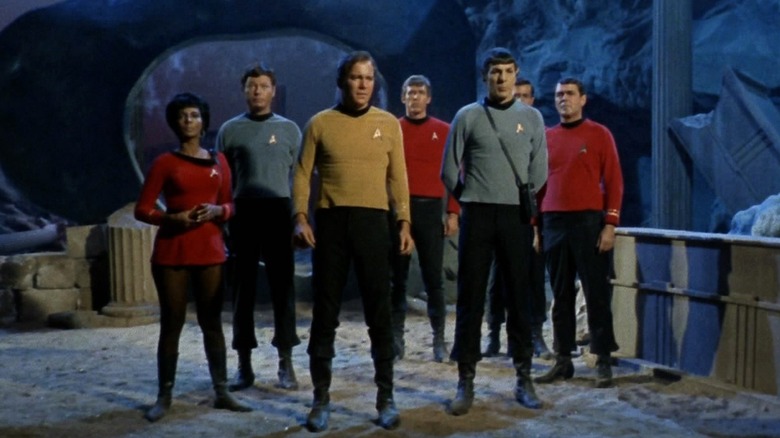
"The City on the Edge of Forever" understands its strength lies in its story and characters. It doesn't hide behind special effects, or the need to be excessively loud. Instead, the main question posed here — to the characters and viewers — is: would you sacrifice everything for love? That's the core of the episode. Everything is built around that specific question. Nowadays, Star Trek is huge, but the viewership is not. This disconnect that can easily be fixed, though, by taking the right lessons from "The City on the Edge of Forever."
Modern-day Star Trek needs to lay out a list of questions that are pertinent to human beings. The universal truths so to speak; whether you live in the U.S. or Antarctica, it's the experiences and emotions that every human being shares. Start there and build outward, telling these stories through the world of Star Trek and featuring empathetic characters. The action and effects should always come last, and even all of that isn't necessary in every single episode.
Showrunners, writers, and networks need to be brave and trust that the human experience — the good, the bad, and the ugly — will always connect with the viewer and be undeniable. Now that is what Star Trek should be at its core.