

10 TV Episodes That Feel Like Standalone Movies
What does it mean, exactly, for television to feel "like a movie"? In the current age of streaming and binge-viewing, it's common for people to describe entire TV shows as feeling like long feature films. Yet for all the high-end production value and gripping storytelling the best of these shows provide, the "long" part of that descriptor tends to conflict with the "movie-like" part. Unless you're comparing a full TV series to "Sátántangó", an entire "Lord of the Rings" marathon, or anything else with a notoriously long runtime, the commitment involved becomes a major distinction between hyper-serialized television and traditional cinema.
Paradoxically, the length issue makes it so many of the TV episodes that feel the most cinematic are those that work within what used to be the more standard TV format: The self-contained standalone story. Turns out if you tell a traditional episodic story really well and make it accessible enough to enjoy without having to watch an entire show, you end up with great television that could just as easily pass as an award-winning short film.
While the ten episodes on this list still benefit from being viewed in the context of their full series (we're not talking about anthology series whose plots and characters differ every episode), they still able to captivate new viewers in just 30 or 60 minutes the way a great standalone movie can in 90 or 120.
Teddy Perkins (Atlanta)
Several episodes of "Atlanta" could be included here. The Donald Glover-created dramedy had loose ongoing story arcs for each of its four seasons, but it deprioritized serialized development in favor of oft-experimental standalone stories for many of its best episodes. The show could abandon its main cast entirely in favor of a fever dream about reparations ("The Big Payback") or a mockumentary on the making of "A Goofy Movie" ("The Goof Who Sat at the Door").
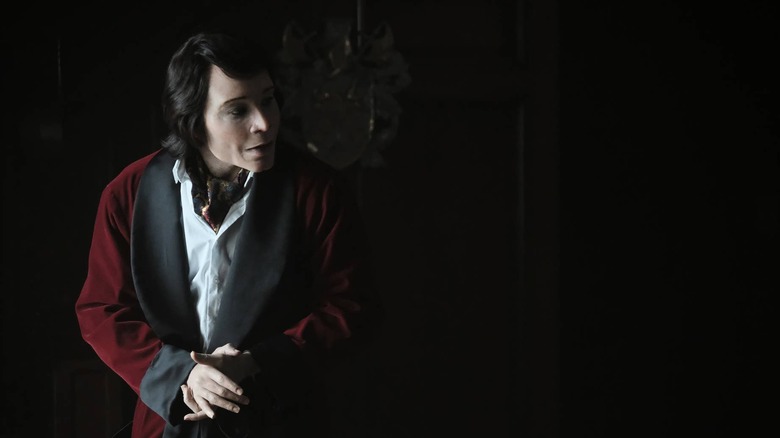
"Teddy Perkins" does involve one of the series' regulars, the eccentric stoner Darius (Lakeith Stanfield), but the episode's scene stealer is its title character (credited "as himself" but actually played by Glover under heavy makeup). Teddy looks like Michael Jackson, sounds like Winnie the Pooh, and acts in ways that scream bad news all around — but Darius really wants that free piano he came to pick up from Teddy, and so he gets drawn into the Perkins family's psychodrama.
Tonally reminiscent of "Get Out" (which Stanfield also appeared in), there are a few funny lines here and there, but most of the laughter in this episode emerges from pure discomfort and "WTF" shock. Making the horror even more unrelenting, the episode originally aired without commercials — which also made it feel even more like a movie.
Fish Out of Water (BoJack Horseman)
Netflix often gets the credit — or blame — for the trend of shows that play like long movies, but the art of strong episodic storytelling lives on in some of the streaming service's comedies and animated shows. For a model example of how to keep individual episodes memorable amidst complex ongoing plots, look no further than "BoJack Horseman;" the individual episode that stands out the most on its own terms even without greater context is "Fish Out of Water."
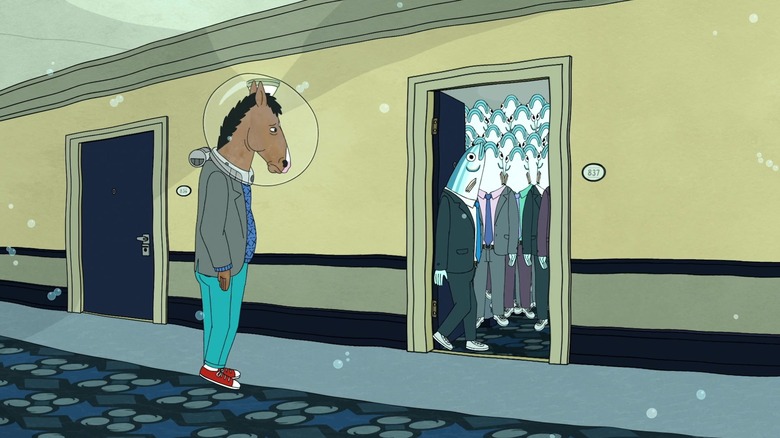
This Season 3 episode sees BoJack (Will Arnett) attending an underwater film festival, where he fears an uncomfortable reunion with his former director Kelsey Jannings (Maria Bamford). While watching the previous season enriches that dynamic, the drama is communicated so clearly that the episode can still be understood and enjoyed by newcomers. That's all the more impressive given BoJack doesn't know how to communicate verbally underwater, and the sea creatures' spoken language is unintelligible — this is in effect a silent episode of a usually talky cartoon.
The culture clash between BoJack and the sea creatures found cinematic inspiration from "Lost in Translation," while nonverbal "Looney Tunes"-esque comedy on his misadventures allowed greater opportunities for the animation quality to shine.
Hush (Buffy the Vampire Slayer)
"BoJack Horseman" was not the first dialogue-driven show to break formula with a mostly-silent episode. For all the ways Joss Whedon's distinctive style of dialogue defined "Buffy the Vampire Slayer," the only episode of the series to get an Emmy nomination for its writing was "Hush," the episode where the denizens of Sunnydale are unable to speak. It sounds ironic, but honestly, it makes sense such an honor went to one of the undeniably best episodes of "Buffy."
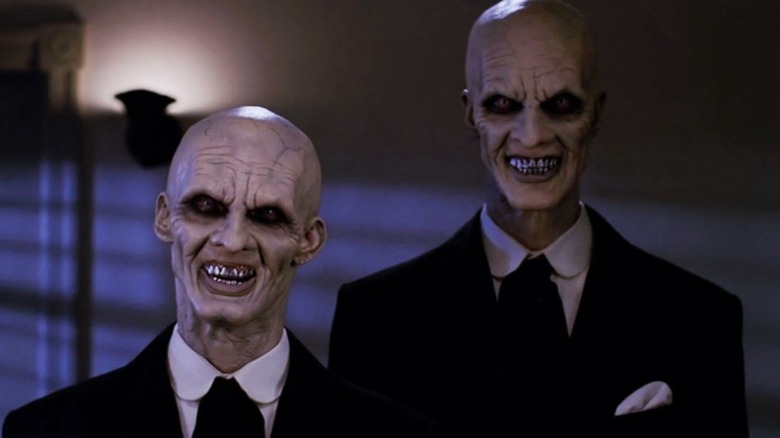
Out of all the show's monsters of the week, the voice- and heart-stealing Gentlemen stick out in fans' memories and nightmares as the scariest. Played by professional mimes (Charlie Brumbly, Don W. Lewis, Camden Toy, and Guillermo Del Toro's favorite monster performer Doug Jones), The Gentlemen resemble the fiends of classic German Expressionist films, and the filmmaking lives up to those inspirations for an unusually cinematic and visually stunning hour. Amidst all the genuine frights and striking artistry, the show's sense of humor still shines through even without the usual one-liners.
Blink (Doctor Who)
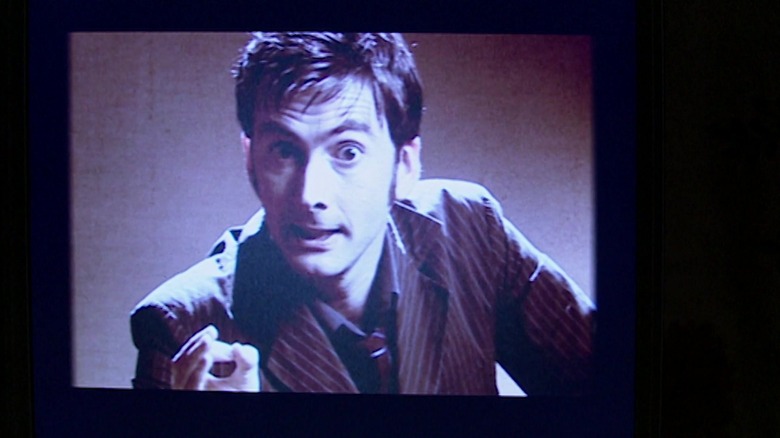
"Blink" has become the consensus fan favorite episode of "Doctor Who," despite the Doctor (David Tennant) barely appearing in it at all — most of his screen time is limited to cryptic DVD Easter eggs addressed to the episode's one-off protagonist Sally Sparrow (Carey Mulligan). The show itself even acknowledged the episode's canonization when Ncuti Gatwa's Doctor broke the fourth wall to speak to the fans about their favorite adventures in "Lux."
So what makes "Blink" so special? Consider that it tops Looper's ranking of the scariest "Doctor Who" episodes. The Weeping Angels, which appear as statues under observation but can speed towards you the moment you close your eyes, are such cleverly terrifying creations; the show would bring back the Angels for further stories, but their introduction remains the most effective. Cheap TV effects usually hold "Doctor Who" monster-of-the-week episodes back from feeling like movies, but "Blink" turns budgetary limitations into an advantage: Without any CGI, the intensity of its atmosphere and the mind-bending wit of Stephen Moffat's "wibbley-wobbly timey-wimey" writing make an ideal model for any aspiring genre filmmaker trying to get into the midnight movies section at Sundance.
A Dark Quiet Death (Mythic Quest)
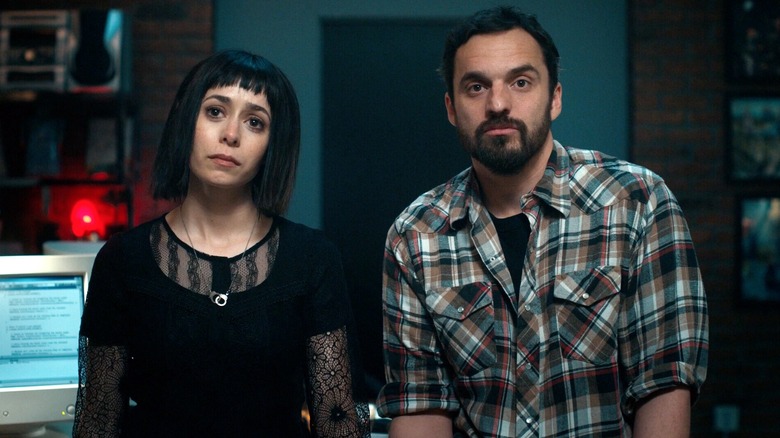
"Mythic Quest" is on average a pretty good sitcom — funny, likable characters, decent satire of the video game business — but once or twice a season, it becomes amazing, so much so it becomes almost disappointing that the rest of the show is just "pretty good." Occasionally the show's great episodes are part of the ongoing plot — the COVID-19 special "Quarantine," for instance — but usually they're self-contained stories delving into characters' pasts, such as "Backstory!" and "Sarian."
The first and best of the show's flashback episodes, "A Dark Quiet Death," doesn't involve any of the main characters until the mid-credits scene, so it stands on its own completely. Spanning 15 years, it traces the lifecycle of a video game, from first inspiration to the bargain bin, and of the creative and romantic partnership that birthed it. Game producer Doc (Jake Johnson) and goth artist Bean (Cristin Milioti) strike it big with their uncompromising horror game "Dark Quiet Death," but when marketing teams and focus groups start promising even bigger success, Doc becomes way too willing to compromise artistic integrity. A pitch-perfect parody of the way franchises devolve, "A Dark Quiet Death" is the show's most heartfelt and heartbreaking half-hour.
Long, Long Time (The Last of Us)
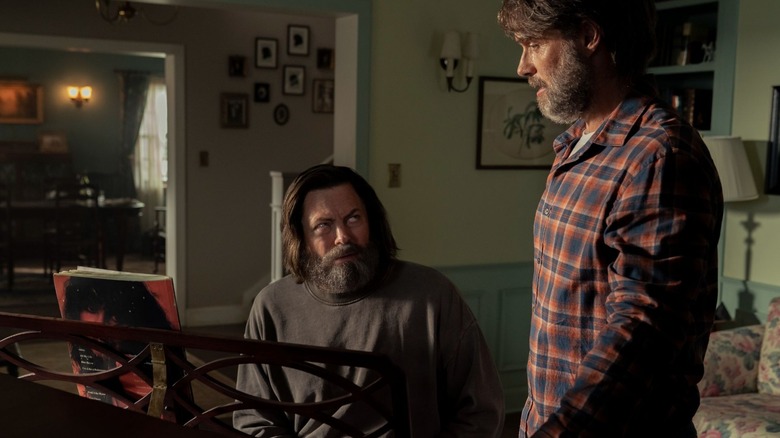
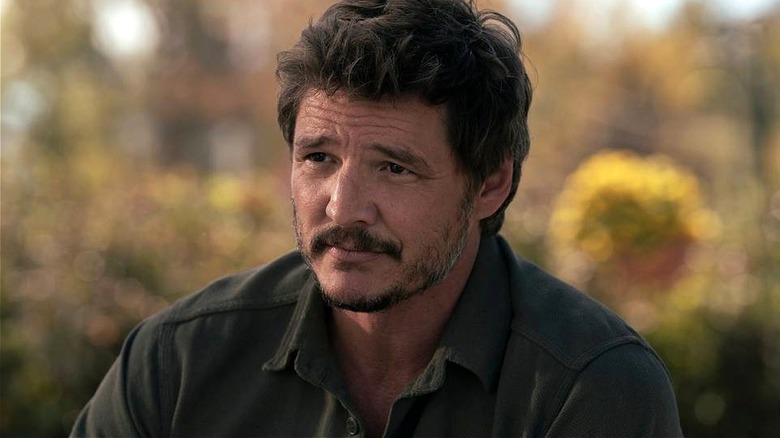
For the most part, HBO's "The Last of Us" sticks very closely to the video game series it's based on; the games' creator, Neil Druckmann, shared showrunning duties for the first two seasons alongside Craig Mazin. However, when it came time to expand upon the side-characters of Bill (Nick Offerman) and Frank (Murray Bartlett), whose love story was only implied in the original game, the fresh expansion resulted in arguably the best episode the show has produced thus far.
A hardcore doomsday prepper, Bill is ready to survive the zombie apocalypse all on his own, and does so for four years. But even a loner feels loneliness, and when he lets fellow survivor Frank into his home for a meal, the two men fall in love and spend the next 13 years together. Tragedy strikes eventually, but not in the way you'd expect amidst such a bleakly violent world.
The unique cinematic quality of this romantic character study was noted by director Peter Hoar, who told The Los Angeles Times, "There were moments where I was looking at my cinematographer, Eben [Bolter]: There's hundreds and hundreds of people [around], and yet we have one camera on two men eating strawberries with the sun going down. I'm like, 'This is a Sundance movie. This is not a typical thriller-horror.' I had to pinch myself a number of times because it was so beautiful."
ronny/lily (Barry)
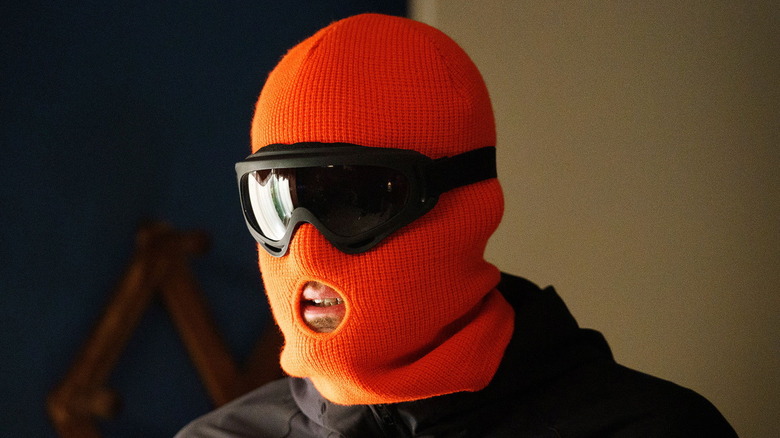
The "ronny/lily" episode in Season 2 of "Barry" aired right after "The Long Night," the feature-length "Game of Thrones" episode with the Battle of Winterfell. Somehow the dark comedy ended up delivering the more thrilling action showcase of the night — and not just because it was lit well enough that you could actually tell what was going on.
Ex-Marine Barry Berkman (Bill Hader) splits his time between acting classes and working as a hitman. "ronny/lily" focuses entirely on the latter, with an episode-long extended fight sequence building up to the series' most gruesome murder. Barry is on a mission to kill Ronny Proxin (Daniel Burnhardt) as a favor for Detective Loach (John Pirruccello). What Barry doesn't realize going in is that Ronny is a black belt in Taekwondo, and his daughter Lily (Jessie Giacomazzi) is an even more ferocious and possibly-immortal martial artist. For a relentless half-hour, "Barry" abandons its usual grounding in reality to become the miniature "Kill Bill" movie nobody was expecting but everyone — whether or not they'd seen any other episodes — was blown away by.
A World With No Sadness, Baby (Space Dandy)
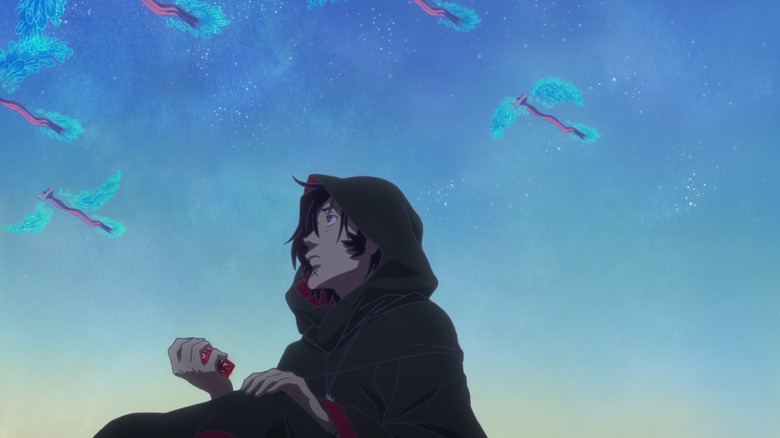
"A World With No Sadness, Baby" plays differently from the other episodes on this list in terms of its relationship to the rest of its series: Instead of an episodic highlight amidst a serialized continuity, this half-hour is the first time "Space Dandy" has any sense of continuity at all.
In other episodes, Dandy (Ian Sinclair in English, Junichi Sawabe in Japanese) and his crew can die or achieve enlightenment or start an intergalactic war, only for everything to reset next week as if nothing happened. This episode, much more serious in tone than the anime's usual absurdist comedy, shows what happens to Dandy between these different lifetimes, stuck amongst the dead on Planet Limbo. His lust for life rejects this world without sadness, while his oddly touching romance with death frees him to hop between dimensions before returning to Limbo once again.
Every episode of "Space Dandy" has great animation, but "A World With No Sadness, Baby" goes above and beyond with its beautiful surrealism. The decaying backgrounds are as gorgeous as those in "Angel's Egg," while the strange ghosts of Limbo would be right at home in Hayao Miyazaki's "Spirited Away" or "The Boy and the Heron."
This Extraordinary Being (Watchmen)
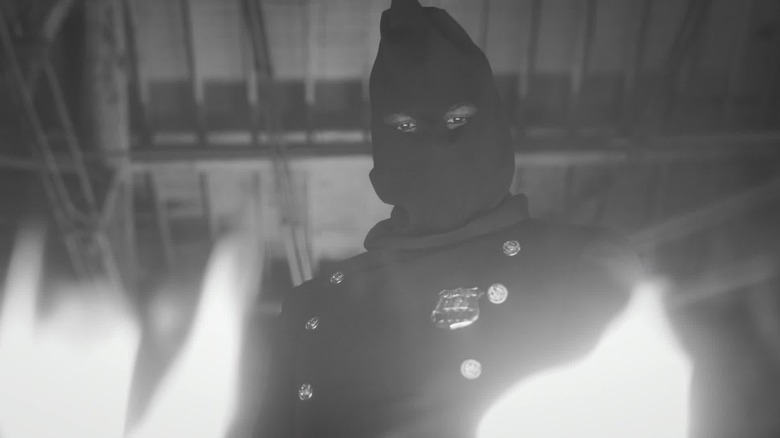
While presenting a complete story in its own right, "This Extraordinary Being" might be the hardest episode on this list to truly describe as "standalone" given how its built into the context of both the "Watchmen" miniseries' greater mysteries and in reworking the backstory presented in Alan Moore and Dave Gibbons' original graphic novel. The show only runs for nine episodes so it's best to watch them in order, but when you get to this one, it will still feel like its own movie within the broader narrative.
This episode reveals the secret identity and intense backstory of Hooded Justice, this universe's first superhero. The public never knew he was Will Reeves (Jovan Adepo), a Black gay police officer taking on the Klu Klux Klan. He was also the grandfather of the series' protagonist, Angela Abar (Regina King), who experiences her ancestor's memories while drugged out on Nostalgia. The creative cinematography — mostly in black-and-white, with dramatic splashes of color — and practical effects play with perspective, switching Angela and Will in and out with one another and presenting action set pieces in elaborate long-takes. The episode's technical and artistic accomplishment is credited for four of the miniseries' 11 Emmy wins and eight of its 26 nominations.
Doorman (Wonder Man)
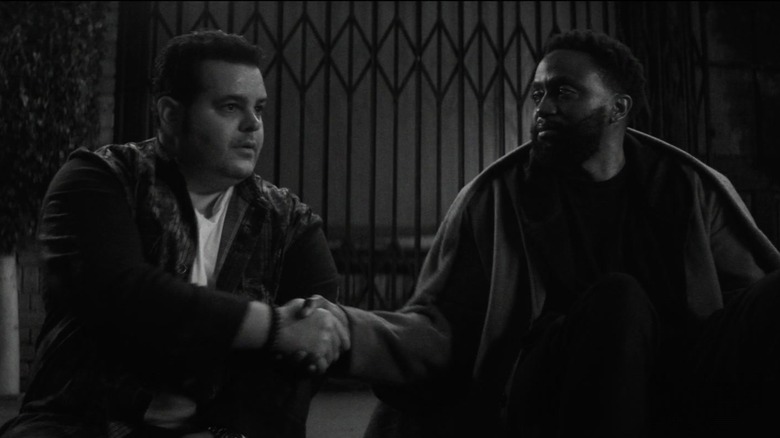
The most recent stand-out episode on this list comes at the halfway point of the Marvel miniseries "Wonder Man." Like a few other episodes discussed here, "Doorman" shifts focus from the main characters to a separate storyline contributing to greater thematic development and worldbuilding; like "This Extraordinary Being" in particular, it switches up the style of a Yahya Abdul-Mateen II-starring comic adaptation with striking black-and-white cinematography.
This flashback episode, which co-creator Destin Daniel Cretton describes as "its own little short film" (via EW), answers the question of why Hollywood in the Marvel Cinematic Universe refuses to hire actors with superpowers. DeMarr Davis (Byron Bowers) is a nightclub doorman suddenly granted the power of being a human door, and with not-so-great power comes... celebrity and typecasting. Co-starring Josh Gad as a conceited caricature of himself, the darkly comedic episode serves as a cautionary tale of what could happen when one's fifteen minutes of fame are up — the sort of story that must weigh heavily on the mind of the secretly superpowered aspiring actor Simon Williams (Abdul-Mateen II).