

10 Biggest Mistakes Marvel Made After Avengers: Endgame
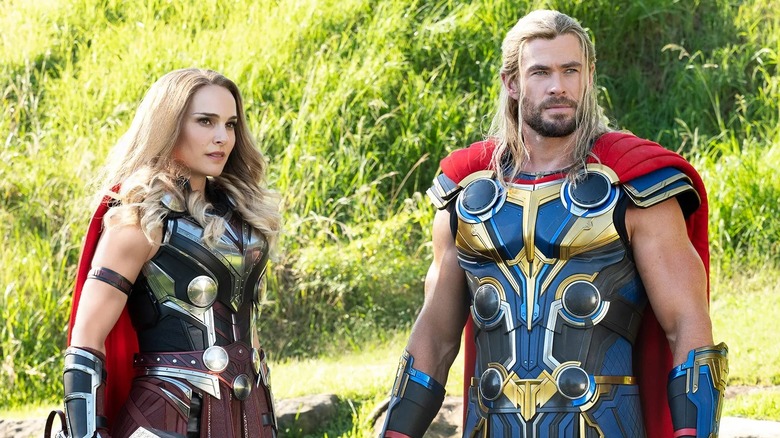
For a while, the Marvel Cinematic Universe had a terrific track record with audiences, especially when it came to theatrical releases. Whether it was the most endearing characters in this saga, unforgettably funny moments in titles like "Guardians of the Galaxy," or the best improvised moments in the MCU, the franchise enjoyed an enormously good standing with audiences. Then "Avengers: Endgame" arrived in April 2019 and provided a seemingly concrete ending for the saga. In reality, this was just the precursor to the Multiverse Saga that now encompasses Phases Four, Five, and Six of the MCU.
Just ranking every Marvel Phase Four release from worst to best alone illustrates a severe drop-off in quality for this franchise in its post-"Endgame" exploits. What once was delightful popcorn entertainment has become bloated, scatterbrained, and emotionally aloof. This outcome can be traced to 10 grave mistakes that Marvel Studios made when charting out what the MCU would look like after Phase Three came to a close. These mistakes took on many forms, including the notion of expanding the MCU into high-profile television shows on Disney+. Other mistakes include cost overruns, reliance on nostalgia, and much more.
While these miscalculations come in all shapes and sizes, they stand in sharp contrast to the confident creativity that once defined the first modern shared cinematic universe. The Avengers could survive Thanos and Ultron, but not these 10 errors that forever changed the MCU for the worse.
Expanding into television
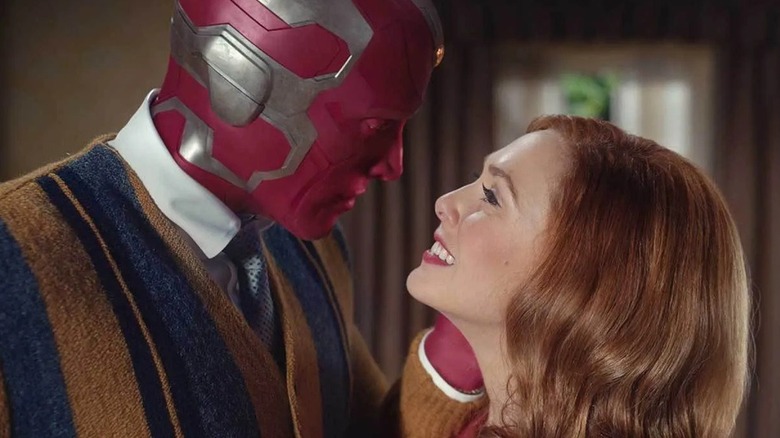
While television shows set in the Marvel Cinematic Universe had technically existed since "Agents of S.H.I.E.L.D." began its run in 2013 on ABC, 2021 marked the year that more grandiose MCU TV ambitions were realized. This is when Disney+ Marvel Studios programs starring actors and characters from the biggest MCU movies began streaming. Titles like "WandaVision," "The Falcon and the Winter Soldier," and "Loki" were the inaugural projects. The ideal outcome for this plan was to bolster Disney+'s original programming library while opening up new doors for what kind of stories the MCU could tell.
In reality, this ended up creating too much MCU material too fast. By the time Marvel tried to launch new superheroes on streaming with shows like "Ms. Marvel," viewership ratings took a dive and criticisms over recurring shortcomings in these projects were getting louder. Plus, these shows diluted the novelty of the movies. Why should people pay to see new MCU movies in theaters when new shows emulating those motion pictures are available at home? The Marvel Studios track record now included such infamous duds as "Secret Invasion," rather than being rife with shows that reached the artistic heights of "Breaking Bad."
In every respect, expanding into television programming was a massive mistake for the MCU, including in how it stretched Marvel Studios brass much too thin. Getting into the streaming wars ensured big losses for Marvel Studios.
Hiring too many Rick and Morty writers
One smart thing Marvel Studios did early on to compensate for its lack of experience as an independent film outfit was hire veteran screenwriters to bring their characters to life. Thus, Christopher Markus and Stephen McFeely (a duo who'd been working as screenwriters since the late 90s) wrote the trilogy of "Captain America" movies, as well as two "Avengers" sequels. Go-to Hollywood genre movie writers like Shane Black and James Gunn entered the franchise in Phase Two. This was a system that ensured that the various MCU movies were being handled by folks well-versed in how narrative films are structured.
Perhaps because the post-"Endgame" Phases were intersecting more with the small screen, Phases Four and Five started leaning heavily on screenwriters who exclusively had TV experience. "Rick & Morty" veterans Michael Waldron and Jeff Loveness were brought in to write various movies (Waldron even did uncredited polishes on other MCU titles like "Thor: Love and Thunder"). This meant that people with no prior writing credits on feature films, like Loveness, were tasked with realizing sprawling tentpoles. It was not a recipe for success. The traits that made these writers perfect for "Rick & Morty" did not translate into cinematic productions.
In this era of great change, Marvel Studios needed veteran storytellers to provide some needed stability. Instead, the MCU's biggest movies were placed in the hands of writers accustomed to quick-fire jocularity. The saga suffered accordingly.
Stuffing too many movies into a single year
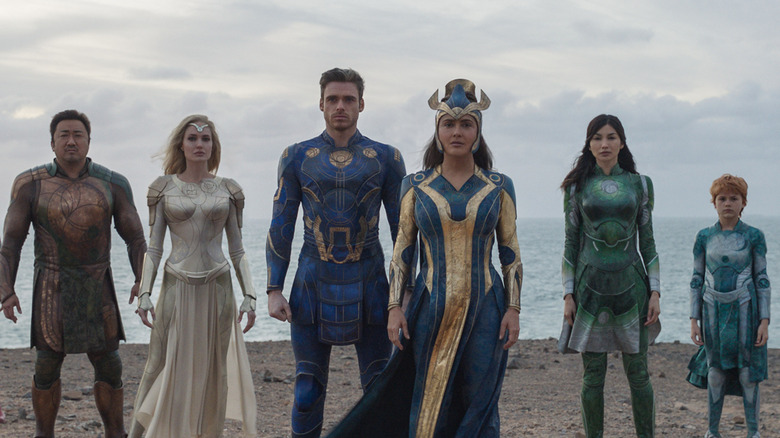
Believe it or not, once upon a time, Marvel Studios was only planning to release two movies in 2020. "Black Widow" and "Eternals" were set to be the sole titles released in the first post-"Endgame" year. This slight change in pace could have helped give audiences a breather after "Endgame," not to mention offer a window for "The Falcon and the Winter Soldier" and "WandaVision" to introduce people to the notion of Marvel Studios television. However, once COVID-19 capsized those plans, the idea of doing just two movies a year became laughable. Instead, Marvel Studios launched four movies in a single year for the first time in 2021. That quartet of features all premiered between July and December 2021, an intensely compressed schedule.
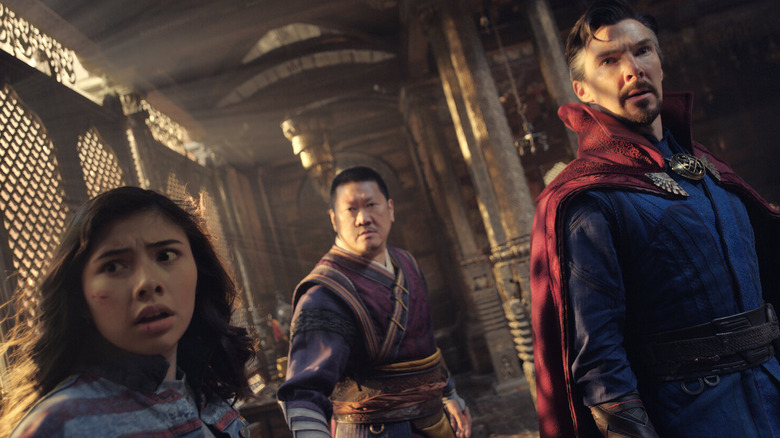
Marvel Studios wasn't done with bombarding people with films, though. Between "Doctor Strange in the Multiverse of Madness" on May 6, 2022 and "Guardians of the Galaxy Vol. 3" on May 5, 2023, the company launched five theatrical films in a 365-day span. Marvel had technically released five movies in the space of 52 weeks before across 2017 and 2018. However, there was a gargantuan difference between giving people "Thor: Ragnarok" and "Black Panther" in the late 2010s and the 2020s when audiences experienced "Thor: Love and Thunder" and "Ant-Man: Quantumania" in quick succession.
Stuffing theaters full of MCU movies diluted the specialness of these projects. That abandoned two-movie agenda for 2020 sounds even better in hindsight.
The lack of connective tissue between films
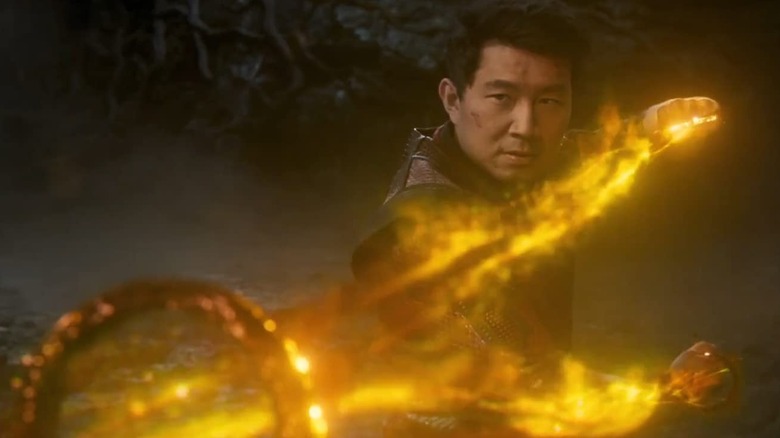
For many, the post-credits scenes are the best part of the MCU. Initially, these segments helpfully reinforced how "Iron Man" and "Thor" were in the same universe, by having characters like Samuel L. Jackson's Nick Fury pop up after the credits. Later on, titles like "Captain America: The Winter Soldier" established characters like the Maximoff twins, and audiences would get to meet them properly in a year's time. Starting with Phase Four, though, these MCU scenes spiraled out of control. They were a microcosm of how these post-"Endgame" projects were now bafflingly disconnected.
Rather than teasing characters who would be showing up in an "Avengers" movie in one year, "Eternals" and "Doctor Strange in the Multiverse of Madness" featured celebrity cameos that could potentially pay off in future, undetermined features. While introducing so many new faces like Dane Whitman (Kit Harrington) and Hercules (Brett Goldstein), more prominent and fresh superheroes frustratingly fell by the wayside. Hawkeye's introductory "Thor" cameo quickly preceded his larger "Avengers" appearance. In contrast, Shang-Chi (Simu Liu) vanished from the MCU for five years after headlining his own lucrative solo film.
It's not like every post-2019 MCU movie needed to be inextricably tied together. However, the excitement of seeing new favorite superheroes interacting with familiar faces was bizarrely absent in Phases Four and Five. Ditching characters like America Chavez (Xochitl Gomez), Shang-Chi, Moon Knight (Oscar Isaac), and the Eternals after just one appearance made this universe feel disjointed rather than enthrallingly unified.
Failing to acknowledge reality
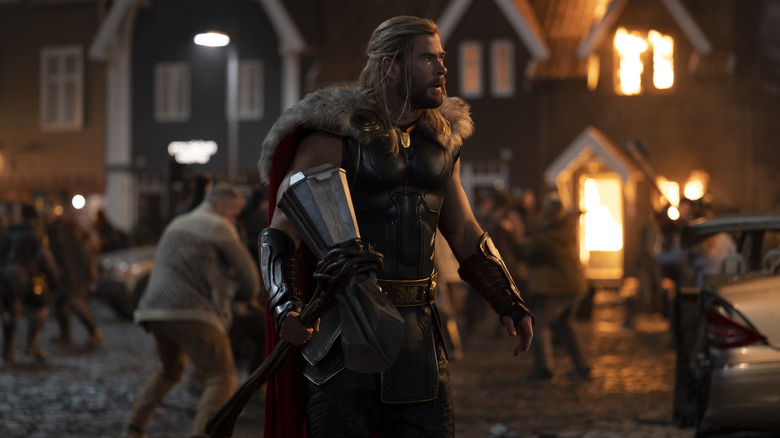
A remarkable 2015 Emily St. James essay thoughtfully posits that one reason "The Avengers" struck such a chord for audiences was that it offered a fantasy scenario where an equivalent to 9/11 was happening in New York City, and superheroes actually showed up to save the day. Evoking the event is one way earlier Marvel movies could make cursory acknowledgements of the real world. Phase Two titles "Iron Man 3" and especially "Captain America: The Winter Soldier" were also aware of relevant political topics, specifically pertaining to the military-industrial complex. "Spider-Man: Homecoming," meanwhile, wrung entertainment out of juxtaposing relatable teenage dynamics (like awkwardness with your prom date's parents) with superhero shenanigans.
Starting in Phase Four, the MCU frustratingly gave up on incorporating any semblance of the real world into its stories (save for the tragic circumstances underpinning "Black Panther: Wakanda Forever"). Good luck finding any hints of specific 2020s turmoil in "Thor: Love and Thunder" or "Ant-Man and the Wasp: Quantumania." Mostly, titles like "Deadpool and Wolverine" and "Captain America: Brave New World" (in an especially bizarre choice) have been obsessed with referencing older Marvel movie lore rather than using superheroes to help audiences navigate the complexities of the real world.
Considering how often the comic book versions of these characters directly tackle hot-button and relevant political issues, it's perplexing that the post-2019 MCU projects have largely ignored the outside world. Embracing surprise cameos over modern anguish has ensured that these characters feel irrelevant to so many audiences.
Making every movie an Avengers-sized epic
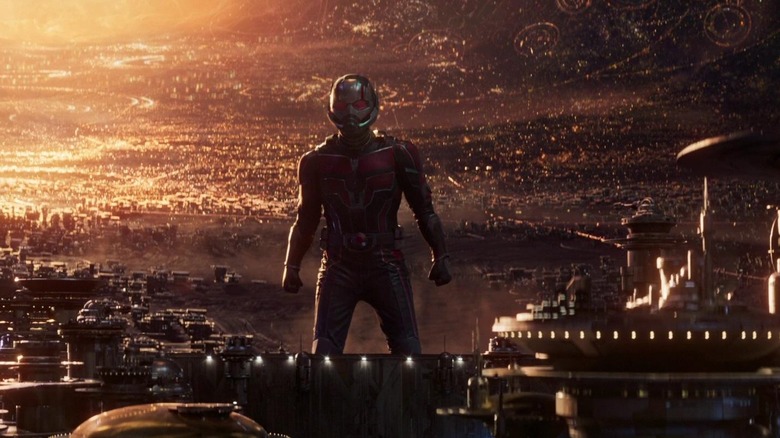
The greatest fight scenes in the MCU make it clear that this franchise has never been afraid of leaning into fistfights and skirmishes. However, there used to be a clearer difference in scale between the action in "Avengers: Age of Ultron" and "Ant-Man," for example. This ensured that audiences showing up for "Spider-Man: Homecoming" could get something different from "Guardians of the Galaxy Vol. 2" earlier that same summer. For Phases Four and Five, though, every movie suddenly became as big as a typical "Avengers" adventure. "Doctor Strange in the Multiverse of Madness" traveled across multiple universes, for example, while "Ant-Man and the Wasp: Quantumania" infamously left behind the low-key chuckles of its predecessors in favor of a cosmic adventure.
In the process, the individual identities of these titles got lost in the shuffle. If every single MCU feature was a sprawling sci-fi epic full of cameos and hordes of evil CG minions to punch, then what made them special? To boot, these Phase Four and Five features often didn't have as good a grasp on spectacle as the original "Avengers" or "Endgame." "Quantumania," especially, was a dreary, tedious exercise in bloat, while the grandiose plot of "The Marvels" (involving suns burning out and entire solar systems in peril) felt impossible to latch onto emotionally.
Previously, witnessing an "Avengers-"sized epic in theaters was a nice treat every three years. In the 2020s, though, the MCU made such motion pictures frustratingly omnipresent.
Failing to have coherent creative visions
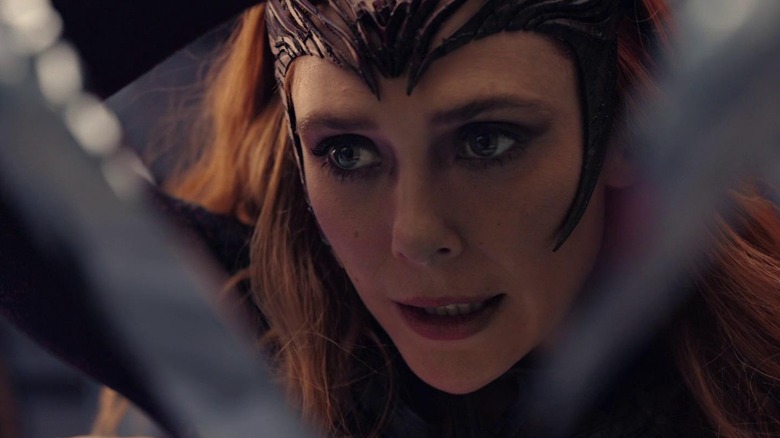
As books like "The Story of Marvel Studios" make clear, improvised creativity has been in the DNA of MCU features since "Iron Man." This company has always been tweaking films until the last minute and incorporating sweeping changes when needed in reshoots. However, Phases Four and Five saw this tendency ramped up to 11 and then some. "Doctor Strange in the Multiverse of Madness," "The Marvels," and "Captain America: Brave New World," just to name a few, all went through radical reshoots. "Quantumania's" ending was even refilmed just a month before the movie's premiere, a wildly tight turnaround.
It's one thing to come up with a cute "Avengers" post-credit scene and shoot it just weeks before that film debuts. Titles like "Brave New World" and "Quantumania," meanwhile, had critical plot points and conclusions still in flux until the very last minute. These rampant and extensive reshoots suggest that a level of creative indecision has plagued Marvel's Phase Four and Five output. A studio that once remained steadfast in its commitment to a space raccoon becoming a movie star has now struggled to ensure its titles start shooting with finished scripts. In the process, these titles have become more creatively disjointed than ever.
Worse, they often lack specific aesthetics (like "Homecoming's" high school movie vibe) that all the reshoots and tinkering can work towards. This leaves audiences with hollow, clearly compromised movies like "Brave New World" that make one yearn for earlier, more cohesive MCU outings.
Letting budgets spiral out of control
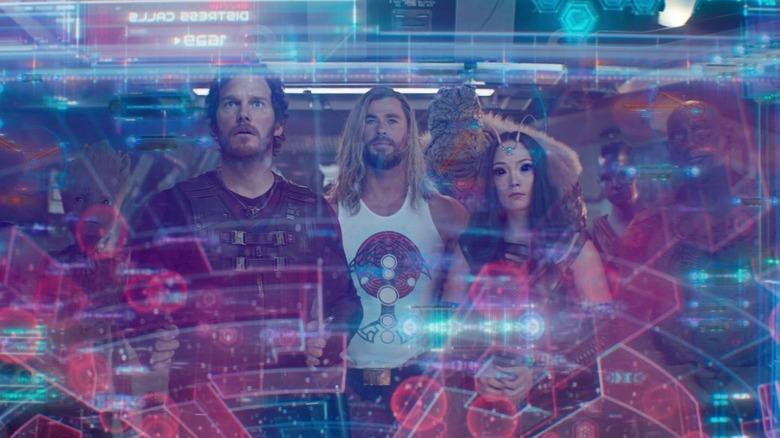
Prior to 2020, Marvel Studios movies tended to keep their budgets reined in unless they were "Avengers" sequels. "Doctor Strange" had a $165 million budget, for instance, while the first two Tom Holland "Spider-Man" features kept their price tags firmly at $175 million or less. This meant that the highest grossing Marvel Comics movies could turn a major profit in addition to breaking box office records. However, those budgets began to soar with Phase Four and Five titles. Some of these inevitably cost more because of COVID-19 factors, but many had their budgets balloon simply due to massive casts and lengthy reshoots.
"Doctor Strange on the Multiverse of Madness," for instance, cost $350 million to make, while "Ant-Man and the Wasp: Quantumania" cost a whopping $388.4 million. "The Marvels" also cost $304 million to produce after tax rebates, while "Eternals" (which was shot before the COVID pandemic) had a $236.2 million price tag. This didn't just place these titles among the 12 most expensive Disney movies ever made. It also made it nearly impossible for these projects to turn a profit theatrically. Plus, the inevitably bloated scope attached to these budgets meant that the post-2019 MCU projects tended to lack any intimate humanity.
Many of the biggest post-"Endgame" flaws plaguing the MCU are strictly based on artistry. The escalating budgets for individual MCU movies, though, is one grave recent flaw for the franchise based in the monetary world.
Sequels! Sequels! Sequels!
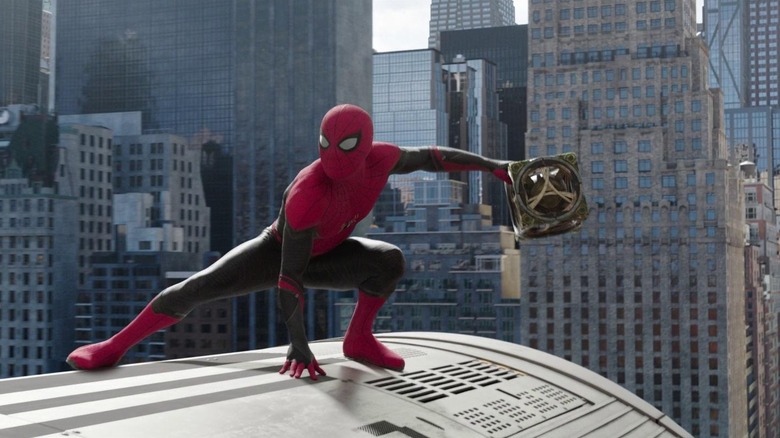
Back in 2014, the year "Captain America: The Winter Soldier" and "Guardians of the Galaxy" both hit theaters, Kevin Feige revealed that Marvel Studios had a new intended rhythm for how it released movies. The outfit was now aiming to do one sequel and one original film a year. Even when Marvel Studios expanded to three annual films in 2017, the MCU still delivered a single movie like "Black Panther" or "Captain Marvel," chronicling a superhero who'd previously never headlined a solo feature. The emphasis on introducing new characters has gone out the window since "Avengers: Endgame" dominated pop culture.
Starting with "Spider-Man: No Way Home," the MCU's theatrical film output has been almost exclusively non-stop sequels. Eight consecutive sequels followed up "No Way Home," with "Thunderbolts*" (which followed an assortment of pre-existing MCU characters and somewhat functioned as a "Black Widow" follow-up) being the only 2025 feature to technically break the streak. On the horizon, "Spider-Man: Brand New Day" and "Avengers: Doomsday" don't offer much hope for a return to non-sequel MCU movies. As a result, this franchise has become all about yesteryear's brand names, rather than getting people stoked about superheroes they'd never heard before.
Plus, engaging in endless sequels has tarnished characters like Ant-Man (Paul Rudd) or Captain Marvel (Brie Larson) that people previously had positive connections to. Relying on "safe" sequels for the post-"Endgame" MCU output has caused countless problems for a franchise that previously balanced its follow-ups and original titles better.
Over-relying on nostalgia
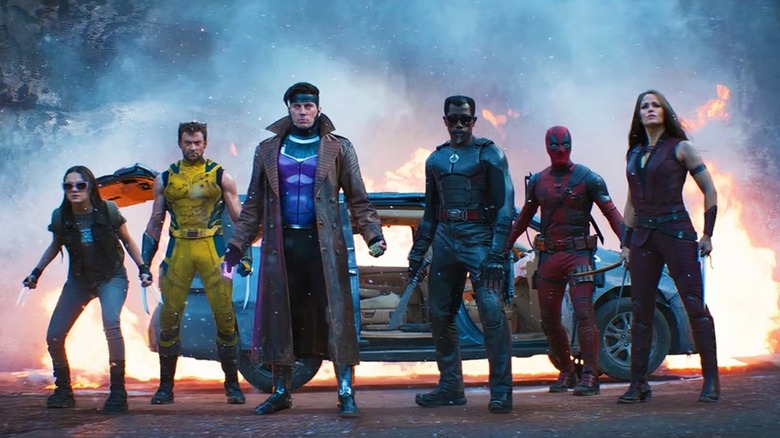
When the Marvel Cinematic Universe began, the franchise didn't have access to some of the biggest Marvel Comics characters, like Spider-Man, the X-Men, or the Fantastic Four. With those figures locked up at rival studios, the MCU had to commit to turning lesser-known figures like Iron Man, Thor, and the Guardians of the Galaxy into A-list players. This inspired creative storytelling across the MCU's first three phases, putting a welcome emphasis on characters who'd never been seen in movie theaters before. Cut to the mid-2020s, though, and that status quo is long gone. Disney and Marvel Studios functionally have the film rights to every Marvel character under the sun.
In a post-"Engdame" world, the MCU no longer launches obscure superheroes into stardom. Instead, this saga's movies have turned into excuses to endlessly reference older Marvel features, like the 20th Century Fox "X-Men" titles. What was a fun ride down memory lane in "Spider-Man: No Way Home" has become obnoxious, now that every single MCU film is an excuse for surprise cameos and fan-service. All of this has made recent movies downright impenetrable for the general public and robbed newer generations of getting fresh MCU titles that belong to them.
Across the first three phases, there was an exciting sense of discovery in this franchise. Who knew what unknown superheroes Marvel Studios would hand a movie to next? Now, the MCU is always looking backwards, much to its immense detriment.