

5 Sci-Fi TV Shows From The 2000s That Have Aged Horribly
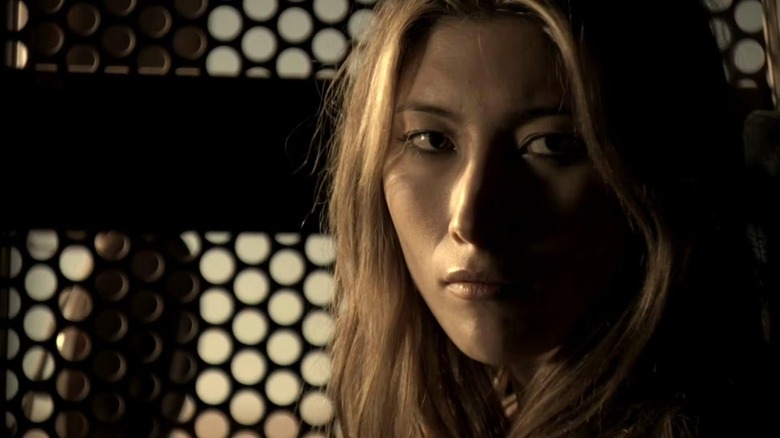
Programs like "Lost," "Fringe," and the reboot of "Doctor Who," among other projects, made the 2000s a pivotal era in the history of sci-fi television programming. Every decade brings about sci-fi shows like "Lost in Space" and "The X-Files" that make major ripples in the small screen entertainment landscape. However, the 2000s were an especially prosperous 10 years for this style of storytelling. Major, lasting, influential programs debuted in the first decade of the 21st century that would keep on influencing TV storytelling for years to come. Just look at how many "Lost" pastiches were clogging up the airwaves as late as the mid-2010s.
In the middle of all these shows that dominated the ratings and/or secured towering fanbases, though, were the sci-fi TV shows from the 2000s that didn't quite take off as expected. Some of these programs have garnered an even more embarrassing layer as the years pass, in that they've also aged horribly. For whatever reason, these five 2000s sci-fi shows have failed to prove eternally relevant. Sometimes, it's because these creative exploits utilized technology that quickly became comically outdated. Others were capsized over time by being connected to toxic artists who've only become more discomfort-inducing with each year.
Just as there's no shortage of ways for TV shows to struggle artistically, there's similar limitlessness in how sci-fi programs can end up aging dismally. In an age that delivered "Battlestar Gallactica" and "Heroes," the ways these sci-fi shows haven't stood the test of time have become only more glaringly apparent.
Mutant X
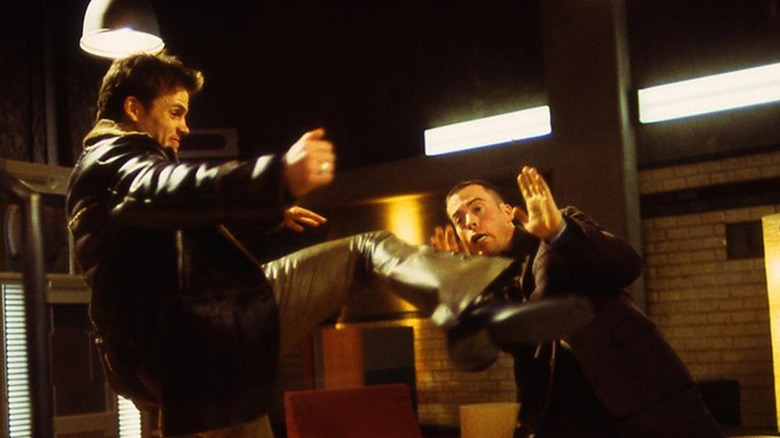
When people think of the best and worst Marvel TV shows, they're usually thinking of programs made after 2010 for platforms like Netflix or Disney+. The eight best and eight worst episodes of Marvel's Disney+ shows are the kind of Marvel Comics-originating programming that dominates people's imagination. However, live-action Marvel TV programs existed long before the days of Daredevil, "Agents of S.H.I.E.L.D.," and "Secret Invasion." There's, of course, the Bill Bixby "Incredible Hulk" show, while Nicholas Hammond headlined two seasons of the CBS program "The Amazing Spider-Man." Then there is "Mutant X," a largely forgotten enterprise rooted in "X-Men" mythology that aired for three seasons starting in 2001.
This isn't an early spin-off of the Fox "X-Men" movies, though. "Mutant X" is a standalone enterprise featuring no mutants from the comics. The show follows geneticist Adam Kane (John Shea) and four people who gained extraordinary mutant powers through scientific experiments (rather than as a byproduct of evolution) and are on the run from the government. Given that subsequent Marvel TV shows have included deeply polished mutant productions like "Legion," "Mutant X" — which always looked a little cheap — looks embarrassingly archaic.
To boot, the show's inability to draw from the comics (thanks to legal restrictions) further reinforces the era in which it was made. In the decades since "Mutant X," Marvel shows are so dedicated to utilizing every possible comic character that "M.O.D.O.K." even made room for Hexus, the Living Corporation. No wonder nobody thinks of "Mutant X" when contemplating Marvel TV exploits.
Birds of Prey
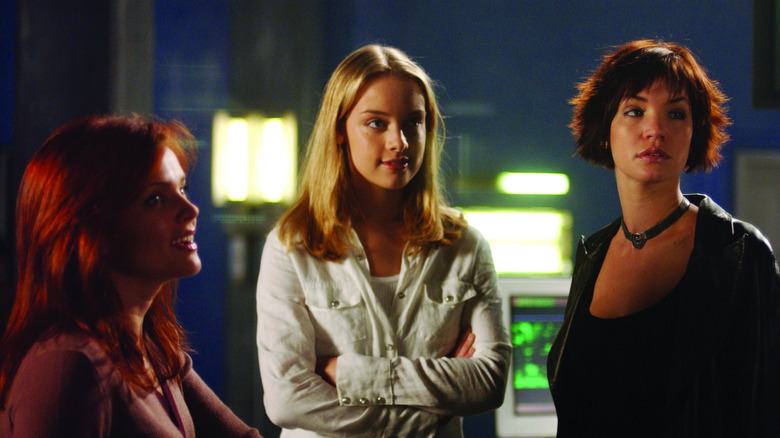
In 2001, The WB struck gold by making a TV show based on a character from sister company DC Comics. That program was "Smallville," which became a phenomenon and forever changed the superhero TV show landscape. The 30 best "Smallville" episodes – not to mention the entire "Arrowverse" timeline – all helped solidify The WB (which later merged with UPN to become The CW) as a go-to place for beloved DC Comics shows. However, a year after "Smallville" debuted, the network made another foray into DC endeavors that didn't go as successfully. "Birds of Prey" started airing in 2002, covering the exploits of Helena Kyle/The Huntress (Ashley Scott), Barbara Gordon/Batgirl/Oracle (Dina Meyer), and Dinah Lance (Rachel Skarsten) in New Gotham City, years after Batman has seemingly disappeared.
Though many live-action Batman adaptations are grounded in gritty reality, "Birds of Prey" fixates on metahumans and other super heightened sci-fi corners of the DC Comics universe. Reviews for "Birds of Prey" weren't great, with many lamenting the lack of truly interesting characters populating the program. It's no surprise that it lasted only one season. Over time, subsequent superior DC Comics TV shows have made "Birds of Prey" even more disposable. Plus, Cathy Yan's delightfully anarchic "Birds of Prey" movie rendered this show even more shrug-worthy in 2020.
Why settle for dimly colored "Birds of Prey" exploits when there's a more boisterous, super colorful take on the same material available? Needless to say, "Birds of Prey" didn't stand the test of time, though even in the early 2000s, it already looked like a relic compared to "Smallville."
Level 9
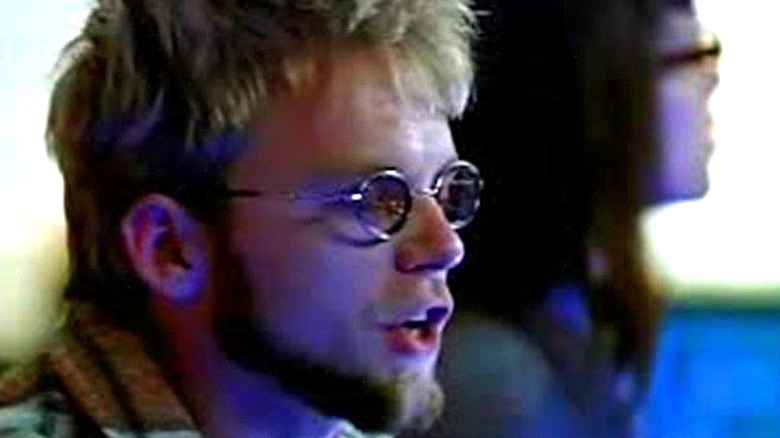
It's always a risk to make pop culture properties centered around current technology. After all, what looks super futuristic today may look like a punchline in just four or five years. That's why the UPN show "Level 9," hailing from creators Michael Connelly, Josh Meyer, and John Sacret Young, was a program filled with hazards from the word go. In 2000 — years before "CSI: Cyber" was even a glint in some network executive's eyes or "Scorpion" was cancelled – "Level 9" brought viewers into the lives of a gaggle of colorful characters working in a government agency dedicated to combating cyber-based threats. If there's a terrorist rooted in the internet, the "Level 9" gang will try their best to root them out.
"Level 9" episodes have cutesy names like "Wetware" and "Ten Little Hackers," a signal that the production was trying to be "relevant" to audiences who were getting hooked on cyberspace in the early aughts. However, "Level 9" doesn't have anything else going on beyond surface-level references to internet lingo. The compelling characters or twisty-turny plots that fuel the most successful drama shows are absent here. Not only did this ensure "Level 9" was pulled off the air after just 10 episodes, but it means the show is borderline unwatchable for folks processing it decades later.
There is nothing in the show for modern viewers to distract from the deluge of outdated technological terms or hokey approaches to the web world. "Level 9" is merely a time capsule and a tedious one at that. Such are the perils of making art centered on new-fangled technology and not much else.
Freedom

The absolute champion of media that immediately became outdated thanks to 9/11 has to be 2001's military satire "Buffalo Soldiers." This Joaquin Phoenix star vehicle about scheming U.S. soldiers premiered at the Toronto International Film Festival just three days before the attacks. After 9/11, the world's appetite for titles like "Buffalo Soldiers" pretty much vanished. Though not quite as ill-timed as "Buffalo Soldiers," "Freedom," which aired from October to December 2000, also instantly grew comically outdated the moment the World Trade Center and Pentagon were attacked. This show's high-concept story is of the U.S. getting taken over by its own military after the President of the United States is presumed dead. "Freedom" didn't perform well and was pulled before the entire season aired, and it's easy to see why it didn't age well in the years that followed.
"Freedom" occupies a dystopian America in which folks who previously worked for branches like the Navy and Army must collaborate to restore the country to sanity. As sci-fi stories go, "Freedom" feels closer to "Fahrenheit 451" than "Avatar" in its subdued depiction of a futuristic nightmare society. Less than a year after "Freedom" debuted, 9/11 pivoted American military stories (like "24") to imagine threats against the country existing beyond the country's borders rather than inward. That alone makes "Freedom" an outdated enterprise, though other aspects (like the many moments where its budgetary constraints become glaringly apparent) also amplify that ambiance.
If "Freedom" had been made just a year later, it would've looked so radically different from the version that briefly graced the UPN network. At least that makes this production a more unique incarnation of an "outdated" TV show.
Dollhouse
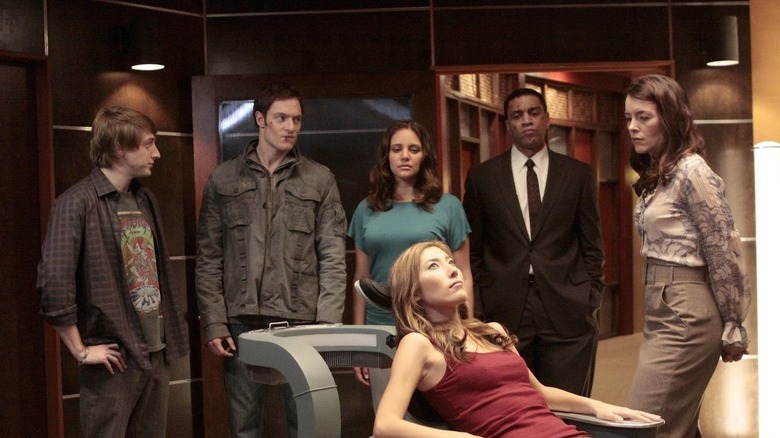
Though Joss Whedon's "Firefly" got canned after one season on Fox, the network gave the "Buffy the Vampire Slayer" TV show creator another swing at a sci-fi program with the 2009-2010 endeavor "Dollhouse." The gist of this show is that various people known as Actives work for a gigantic corporation that gives each Active new personas on a regular basis. This is so whoever pays the corporation can hire one of the Actives for whatever they want. In other words, the characters of "Dollhouse" have their identities swapped out constantly. Echo (Eliza Dushku) leads the ensemble cast of "Dollhouse," which also includes Enver Gjokaj, Dichen Lachman, Harry Lennix, and Fran Kranz.
Though "Dollhouse" secured its share of fans, the show's strange and often underwhelming approach to sexual autonomy and its women characters left much to be desired. These flaws were already getting highlighted back in 2010 as the program's final episodes were hitting the airwaves. However, the deluge of disturbing abuse allegations leveled at Whedon in subsequent years, most of them coming from women creatives from his TV shows and movies, make "Dollhouse" borderline unwatchable today. The extended scenes of women suffering and having their sexual agency stripped away hit differently given Whedon's larger post-2017 reputation.
Not only did "Dollhouse" fail to last long in terms of producing new episodes, but its only real enduring legacy is in uncomfortably reminding viewers of its controversial creator.