

5 Most Rewatchable Christopher Nolan Movies, Ranked
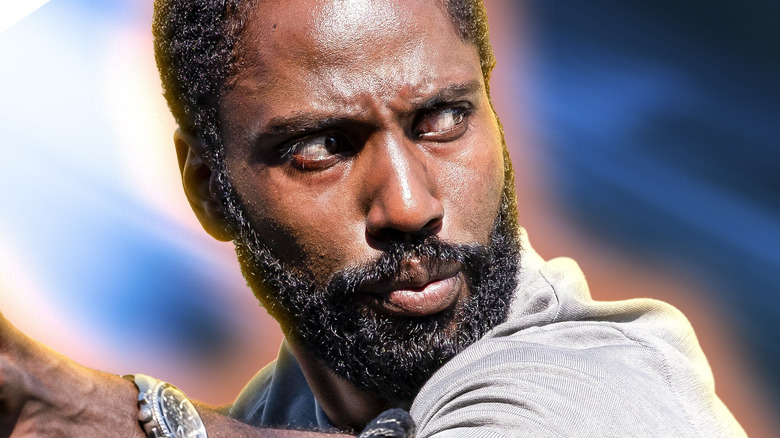
Christopher Nolan is known for many things — IMAX cameras, non-linear narratives, long runtimes, Sir Michael Caine, and now, most recently, for being one of the biggest guaranteed home runs at the modern box office. But Nolan's most famous signature might be making films that beg for a rewatch the second credits start rolling. The director, who has also penned the screenplays (or at least helped) for many of his films, loves to work in little lines or moments often meant to confound on first watch. Beyond that, several of his most prominent films have structures that only reveal themselves in their entirety after you've seen the whole thing.
"Tenet" is probably the most famous (or infamous) example of the latter, but it's also true for many of Nolan's other films, with keys delivered in the final act that "unlock" the earlier parts of the film. Today, we are naming the five most rewatchable Christopher Nolan movies, factoring in both how much each film benefits from a second visit, and how it holds up under third, fourth, and further rewatches.
This is not a list of Nolan's best movies, or even his best movies that also happen to be rewatchable. His last two films, heralded by many as the strongest of his career, are epics of commensurate length that don't rely so heavily on repeat viewings for you to get the full meaning. These next five do.
5. The Prestige
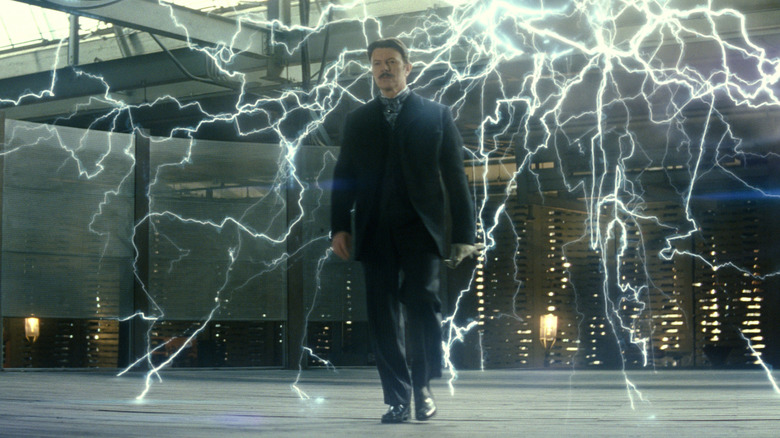
A magician never reveals his secrets, and Christopher Nolan rarely reveals what exactly is going on until the end of the movie. That's true in "The Prestige," Nolan's 2006 thriller about competing illusionists played by Hugh Jackman and Christian Bale, based on the 1995 Christopher Priest novel of the same name.
Both the book and the movie draw their name from a stage magician term for the final part of a trick — the part where the thing that has been made to disappear is brought back, or changed, in some beautiful, impossible way. Like many of Nolan's films, "The Prestige" itself is a kind of magic trick, showing you an easy explanation that hides a more complicated one — part of the revelations that come at the end of the movie.
The most notable is the twist that Alfred Borden, the magician played by Bale, is in fact two men — twin brothers — who hide their duplicity to sustain the illusion of their most iconic trick, The Transported Man. You notice a lot of interesting things by rewatching "The Prestige" with this knowledge, such as the variance of warmth between "Borden" and his wife (Rebecca Hall) or his daughter (Samantha Mahurin). It's a rewarding sort of treasure trove to open up on your second watch, but while "The Prestige" is excellent outside of that, it doesn't have the same kind of spectacle or rapid pace that make some of Nolan's other films so rewatchable in perpetuity.
4. The Dark Knight
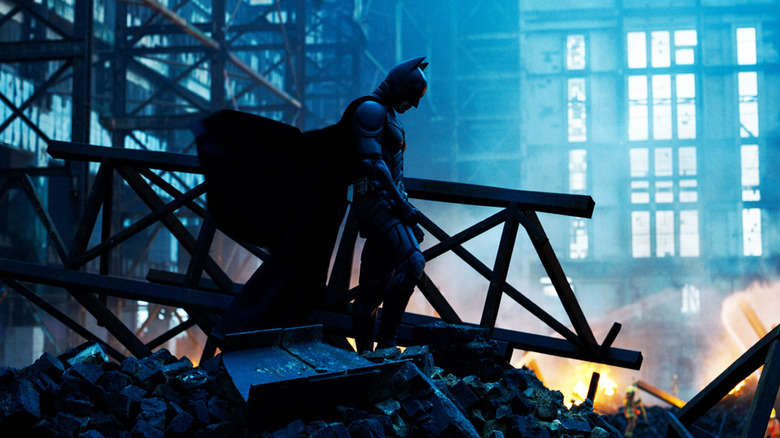
"The Dark Knight" is the rare instance of an early Nolan movie that doesn't hinge on some all-consuming third-act reveal. It is a thriller, but it's not a trick. And yet it's so tightly paced that it lends itself almost endlessly to rewatching, provided the underlying style and subject matter are the kinds of things you're naturally into.
To be fair, you likely will miss a lot your first time through "The Dark Knight." The dialogue is dense with expository details, but the structure of the film leaves you hardly any time to process what you've just been told. Sequences like the Hong Kong kidnapping or the parade attack make a lot more sense once you've seen them a couple of times and can actually take in the lead-up. In other words, the internal logic of the film is a bit hard to parse on the first watch (a trend we will revisit later), but that's not the main reason "The Dark Knight" is so rewatchable.
In a disappointment to contrarians everywhere, this 2008 movie is just really, really good, and good in a way that loses very little appeal after you know what happens. The action set pieces are some of Nolan's most impressively crafted, and Heath Ledger's sinister Joker performance, while perhaps the most over-referenced and mimicked character of the last 20 years, remains as good as originally advertised. Who knows? You might be rewatching "The Dark Knight" for the 26th time later tonight.
3. Tenet
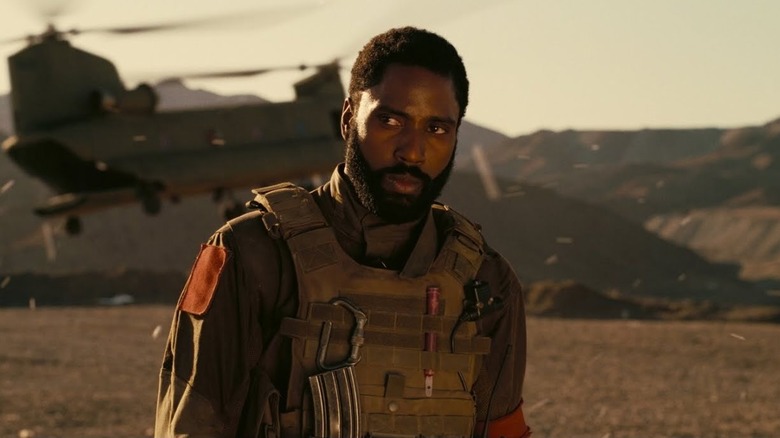
There is a pretty strong case that 2020's "Tenet" is the most rewatchable movie Christopher Nolan has ever made, specifically because it is the least watchable movie he has ever made on the first viewing. It is very likely that 45 minutes into your first spin through the director's time-twisting sci-fi thriller, you will already be entirely lost — a state in which you will stay for the remaining 105 minutes. And if you're watching without subtitles, good luck. Nolan has gotten guff for years due to the difficult-to-hear sound mixing around his dialogue, but it has never been worse than in "Tenet."
All that said, it would be brutal not to put this film on the podium for rewatchability, as that seems to be its entire creative purpose. The film may never fully make sense to you no matter how many times you see it, but there is a lot of thought-through internal logic that will reveal itself once you go back. Understanding more of the inverted timelines gives added context and meaning to a lot of different things, from the Protagonist's (John David Washington) interactions with Neil (Robert Pattinson) to the intricate choreography of the action sequences.
Nolan's best thrillers solve their puzzles in the closing moments. "Tenet" is less interested in the solution than it is in the process of solving, and while that angle may make it downright hostile to revisit for some, it does make the film unique in a way that none of the director's other movies can quite claim (except for one).
2. Inception
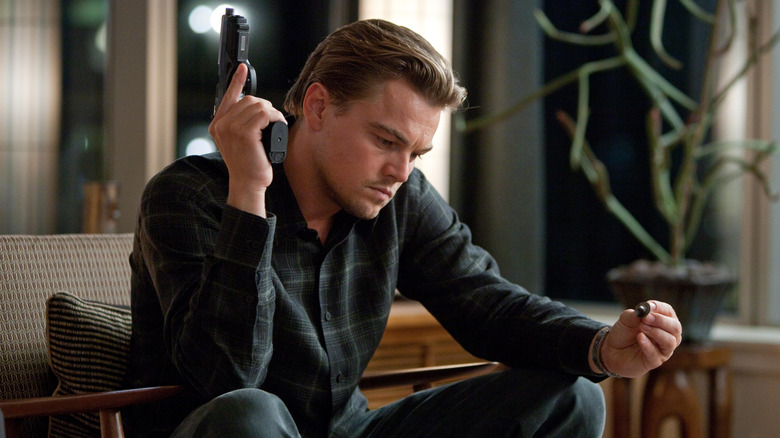
Though "Inception" has a reputation for being one of Christopher Nolan's most confusing movies, the bold strokes are all pretty legible the first time through. While the intricate nature of the dream worlds may not be fully clear at face value, the basic structure of the reverse-heist is simple enough to follow once the action starts. That said, the film also lends itself incredibly well to repeat viewings, both because of its inherent spectacle and because of all the little details you'll pick up.
First, let's talk action. "Inception" may not have the grandeur of "The Odyssey," but among Nolan's films, it makes a strong case as the best in terms of visuals, set pieces, and cinematic momentum. Heist movies have a natural dynamism that lends itself to a rewatch, and "Inception" amps that up to eleven with a mix of impossible geometry, incredible camera work, and creative choreography.
Then there's the mystery element. While "Inception" is far less confusing on first watch than "Tenet," it's a much stronger film overall, and it still features many of the same hidden elements to reward repeat visits. The various layers of dream vs. reality, the hints at dream psychosis, Cobb's (Leonardo DiCaprio) buried demons, and the exact structure of the heist itself all reveal themselves more and more as you return to the film, making it one of the most rewatchable movies Nolan has ever made.
1. Memento
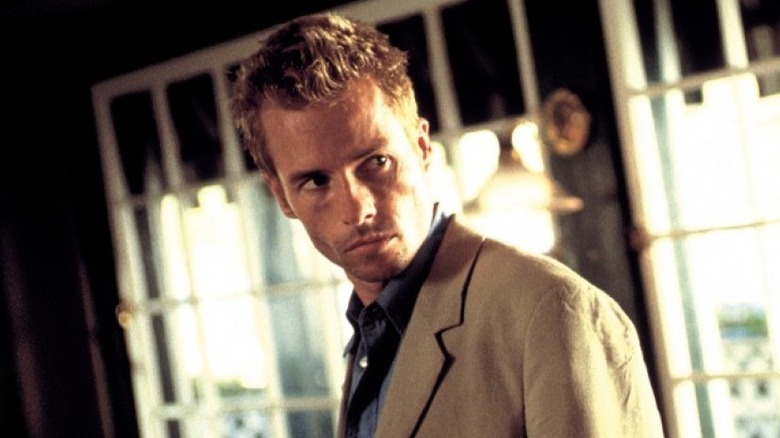
While it's not technically his first feature, "Memento" marked the start of Christopher Nolan's career as a proper Hollywood filmmaker, complete with a trio of incredible stars in Guy Pearce, Joe Pantoliano, and Carrie-Anne Moss. And while it may not be the director's most ambitious, bombastic, or expensive achievement, it is his most rewatchable, and one of his absolute best.
The film represents one of the slickest attempts to give the audience and the protagonist the same experience. Main character Leonard Shelby (Pearce) can't form new memories after the traumatic murder of his wife, so Nolan tells his story backwards, making sure that each time Shelby "wakes up" and in an unknown place, the viewer is similarly disoriented. This unique structure naturally rewards revisiting, but things get even more interesting when you hit the ending of "Memento" and learn what's really going on.
The story of Sammy Jankis (Stephen Tobolowsky) — a man who suffered from Leonard's own condition, to the point that he gave his wife a fatal insulin injection — runs throughout the film. The revelation that this is in fact Leonard's own story changes the whole film, as does the final explanation that Leonard chooses to delude himself into killing Teddy (Pantoliano) for manipulating him. The film's tight runtime (a rarity for Nolan) only makes it easier to throw "Memento" on again and again, digging up new Easter eggs or piecing extra layers of the complicated timeline together.