

The Real Thing That James Gunn's DCU Gets Right About DC Comics (Where Previous Adaptations Failed)

There's something different about DC Studios, compared to prior attempts at making an onscreen DC Universe. It's working this time. And reason can be found directly in the comics, because James Gunn's DC Universe understands what has long made DC Comics different from Marvel Comics: DC is wacky, it's weird, and consistency does not matter.
Whereas Zack Snyder's DC Extended Universe focused on a singular mature tone, Gunn's version lets the ideas run amok where no concept is too strange or off the table. As Gunn's partner and DC Studios co-CEO Peter Safran said at a press conference (via The Hollywood Reporter): "We don't serve one kind of audience, so why make one kind of movie?" Effectively, this newest big screen incarnation of these characters is embracing the spirit of Michael Keaton's Batman by asking the question, "Now, you wanna get nuts? C'mon, let's get nuts!" — because this is a universe that somehow fits divergent tones and styles like the cheerful goofiness of "Superman" with the horror movie vibes of "Clayface," and it isn't apologizing for it.
Compared to the MCU, a franchise that works because of its consistency, the DCU is finally learning from its source material instead of trying to force it to fit into the Marvel mold. James Gunn wants the DCU to be writer-driven, and this aligns with the comic book side of the business. It bodes well for both creativity and originality, as this approach is likely to fend off any potential comic book movie fatigue. If everything can coexist and thrive, that means there's something for everyone in the end.
DC Comics is weird, and that's what is great about the DCU too
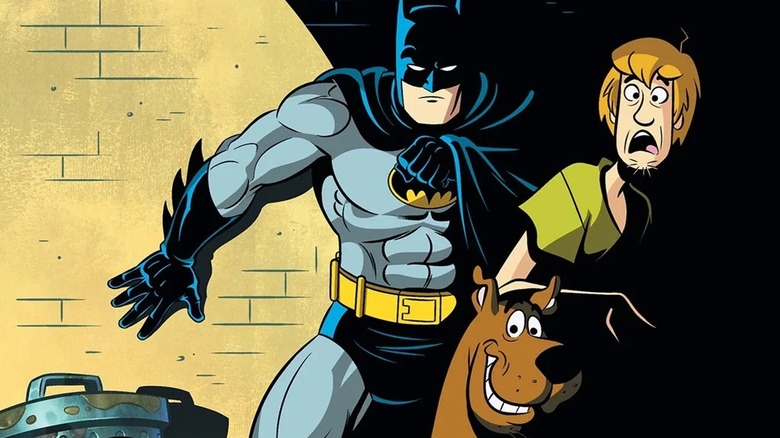
In the 1950s, the Comics Code Authority was established to provide guidelines over the content featured in comics due to the rising concerns of their impact on children. This pretty much ripped apart the comics industry, but DC responded by going wild and weird. When the Marvel Universe came roaring to life in the 1960s courtesy of Stan Lee, Jack Kirby, and Steve Ditko, Marvel became known — and is still known — for having a cohesive and tonally consistent universe that became the prototype for the Marvel Cinematic Universe. DC Comics, on the other hand, never stopped being strange.
While a publisher like Marvel Comics adapts with the times but keeps a general consistency to its universe's storytelling tone, DC Comics has always gone against the grain to be brave and bold. On the one side, it has a supernatural wing filled with horror-tinged stories about the likes of John Constantine and Zatanna. Flip to the Bat-Family books, and you see more hardboiled and gritty crime escapades set in human cesspools of Gotham City and Bludhaven. Then there are cosmic and comedic tales featuring goofy characters like Krypto the Superdog and the rodent Green Lantern Ch'p, to say nothing of the random Scooby Doo crossover.
That isn't all, though. DC Comics also possesses its Elseworlds imprint that allows for non-canonical stories, hence the ability to read about Batman facing off against Jack the Ripper and Superman being adopted by Soviets. More recently, DC Comics introduced the Absolute Universe, which reimagines the characters for a newer generation.
Yes, this creates conflicting tones and canonical clashes, but it still makes a whole lot more sense than whatever is happening in any given "X-Men" timeline. This weirdness and scatterbrain approach is DC Comics' greatest asset — and James Gunn knows it.
James Gunn's DCU embraces the unhinged spirit of the comics
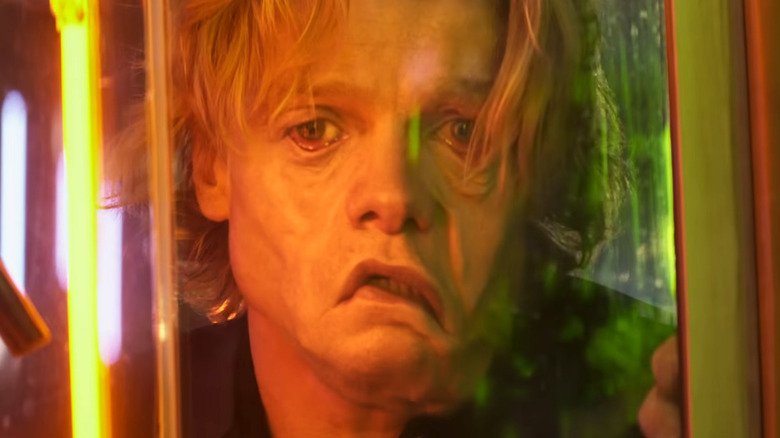
James Gunn gets that DC Comics is weird, and he infuses it into the DNA of the DCU. Unlike Zack Snyder's previous version that tried to make the universe a singular tone — or even the MCU that sticks to consistency above all else — this new DCU sheds the mandated corporate attire and goes punk rock. Make no mistake about it, "Superman" and "Creature Commandos" are different from each other, but they're even more far removed from the horror-styled "Clayface" and the "Sopranos"-esque "The Penguin."
Gunn's justification for this approach is to point at what DC Comics does. "[It's] just like in the comics where different creative voices and visions inspire each project," he posted on Threads. "Each story has purpose within itself, outside of all others. But another part of the fun can be when seemingly disparate strands come together in an elegant way."
It's a stroke of genius on Gunn's part. Like with comics, certain fans might gel more with the darker "Clayface" than the silly "Creature Commandos," while others may feel differently. But the good news is that since there's variety in the DCU, there will always be something that suits one's tastes. As for me? As a lifelong DC Comics fan, I welcome the abundance of weird. Give me Lobo fragging it up in a self-aware project, then give me Batman Beyond in a techno-thriller. Somehow, someway, this all works in the comics — and it can do the same in the DCU too.