'80s Horror Movies That Were Banned Or Censored
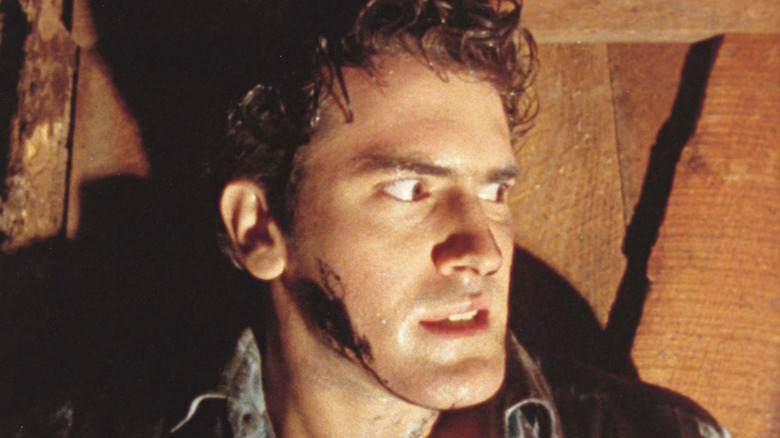
The 1980s were a tough time to be a horror director. Between the Satanic panic, the "video nasties" list, and wide-ranging protests from religious groups and organizations like The Legion of Decency, films were being banned, edited, and censored all over the globe. And yet some of the goriest, gnarliest, and most splatter-laden motion pictures in horror history were released during this decade. Boosted along by the advent of cable television and VHS releases, they began to reach a more expansive audience that was eager to enjoy them. No longer bound to movie theaters or drive-ins, a quick press of the remote brought all of that gore right into eager horror hounds' living rooms.
However, many movies were still treated as verboten goods, becoming contraband and subject to confiscation. These five films gained notoriety for their brutality — and the many ways in which they were censored, withdrawn, or edited to please national censorship bodies. Some producers and directors forewent the ratings board entirely and released their films uncensored, while others saw their art trimmed down by seconds or minutes to fulfill the rules of the countries showing the flicks. Whether they were cautiously chopped or kept entirely out of the public eye, here are five '80s horror movies that were banned or censored during the decade.
Cannibal Holocaust (1980)
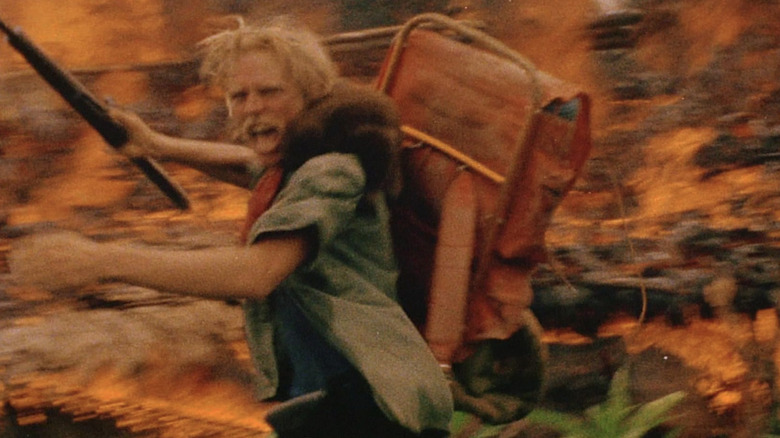
Few horror films have managed to gain the infamy that "Cannibal Holocaust" did upon its release. Framed as a found footage film that follows the aftermath of a group of anthropologists' fatal trip into the Amazon rainforest to study a group of cannibals with a camera crew in tow, it portrays the actual killing of real animals on top of some very realistic gore effects that see the anthropologists get torn limb from limb.
The flick is a rarity in that it managed to have actual legal repercussions for its production crew. Director Ruggero Deodato's native country of Italy accused him of murdering his actors to make his special effects look more realistic, and he had to produce one of the living stars in court to prove no harm had come to them. The charges were dropped, but "Cannibal Holocaust" was still banned in several countries, including Italy, Australia, Norway, and Iceland. It received an X rating by the U.S.'s Motion Picture Association and would make the video nasties list in the United Kingdom.
Time has passed, and the film has become more widely available — you can stream it on platforms like Shudder with ease nowadays. Its cultural impact lives on, too, in the works of directors like Eli Roth, who names "Cannibal Holocaust" as one of the inspirations for his film "The Green Inferno." Yet even now, it's still a movie that's too disturbing to finish in one sitting for many horror mavens.
The Evil Dead (1981)
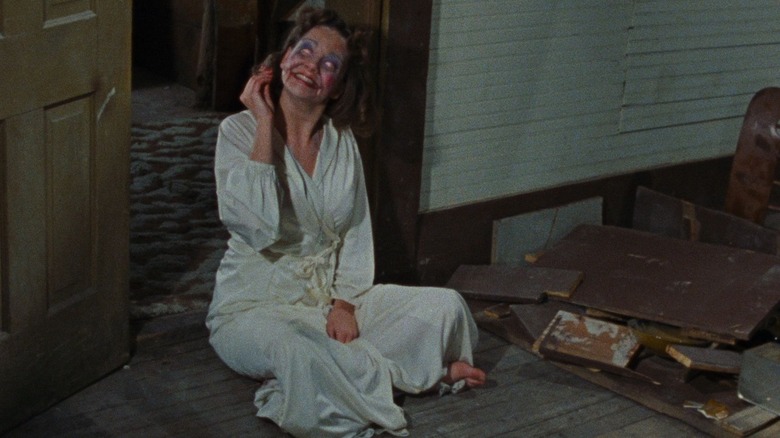
"The Evil Dead" has spawned a franchise that celebrates ultra bloody gore, slapstick, and outlandish situations dialed up to the 10th power. It also gave birth to iconic final boy Ash Williams (Bruce Campbell), one of the most famous horror heroes of all time. Since the film started out as a low-budget college-students-get-killed-in-a-cabin movie — albeit one where lots of uniquely bizarre things happened on the set — that's quite a legacy to have. But for censorship boards and moviegoers in the early 1980s, its initial appearance on the world stage was shocking.
The film sports splatter-laden sequences in which limbs go flying, people are hacked to bits, and bodies literally melt down. It also includes a scene in which Cheryl Williams (Ellen Sandweiss) is raped by supernaturally possessed vines in the woods, with the entire group eventually becoming the quarry of a passel of ancient demons. Audiences accused director Sam Raimi of misogyny based on that scene, which he later said he regretted for being "unnecessarily gratuitous," per the San Diego Reader. The motion picture was subsequently subjected to editing and rejection for its all-around explicit nature.
"The Evil Dead" was banned in Finland, Ukraine, and Singapore, and became one of the most notorious video nasties in the U.K. It was trimmed by 49 seconds to earn an X certificate for its theatrical release there, but it was then banned from home video release in the wake of the Video Recordings Act in 1984. The movie was removed from the list in 1985 after undergoing even more cuts. A completely uncensored version would not hit the British marketplace until 2000, when it received an age 18 classification. In the United States, it was rated X and later downgraded to NC-17.
Silent Night, Deadly Night (1984)
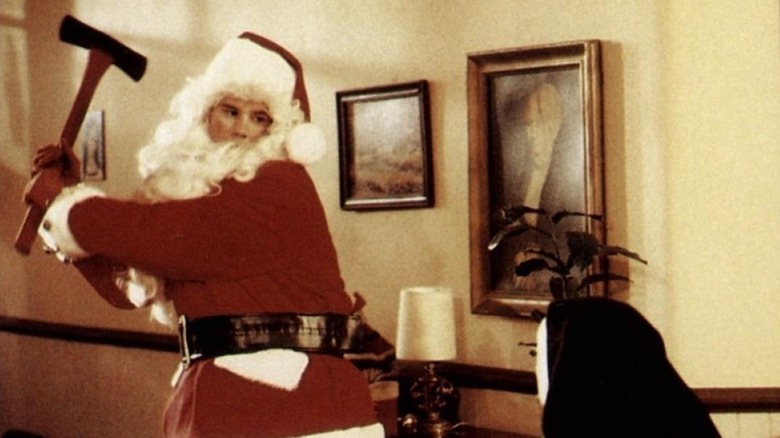
"Silent Night, Deadly Night" caused many an unhappy holiday headache for its distributors and producers. Releasing a scary film in which a troubled guy named Billy (Robert Brian Wilson) dresses up like Santa Claus to chop his way to revenge after failing to live a normal life is a daunting proposition, to say the least. Billy even slays a nun who treats him poorly during the film. Unshockingly, the movie went through a large number of problems on its way to landing cult classic status.
The film was given an X classification three times by the Motion Picture Association until a final, more severe, edit earned it an R. "Silent Night" would soon suffer through an even bigger controversy when ads intended to air during the late-night hours made it into prime time and the afternoon hours, including a football game; parents protested, and people picketed theaters while singing Christmas carols. While some markets reacted positively to the controversy, Tri-Star caved under the weight of this negative publicity, withdrawing the movie's advertising. It would go on to pull "Silent Night, Deadly Night" from a number of theaters and cancel its full-scale release. But eventually the film would get its cultural due, spawning several sequels and two remakes, making it one of the best Christmas horror movies to give yourself a holiday fright.
The Burning (1981)
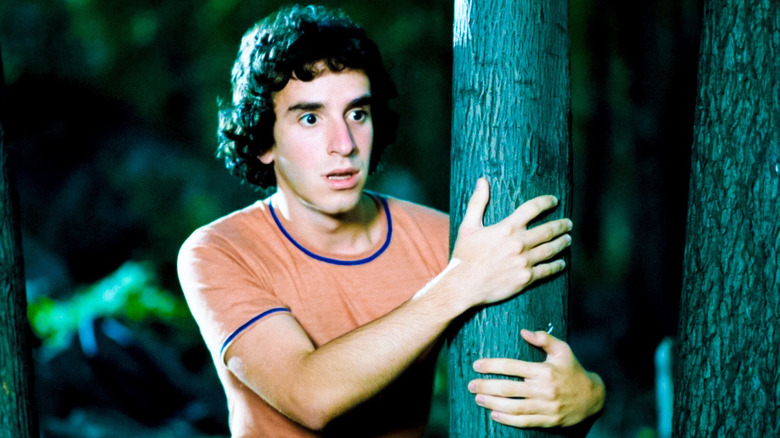
"The Burning" isn't your typical slasher; it helped boost the careers of future stars Jason Alexander and Holly Hunter, who play summer camper counselors who meet grizzly ends thanks to Cropsy, a hedgeclipper-bearing serial killer. Just like the other constituents of this list, it ran afoul of censorship issues and had to undergo quite the trim to make it out the door.
To receive its R rating, 45 seconds worth of footage hit the cutting room floor, mainly involving gore. Its original director's cut wouldn't be seen until a VHS release in 2001. "The Burning" was also chopped up for its British debut, yet another member of the video nasties list. The film had the unique distinction of being accidentally released uncut on home video in the U.K. through Thorn EMI, making it subject to the Obscene Publications Act and thus confiscation. The company withdrew this version and released the board-approved cut of the film after realizing its mistake. The movie's original cut made it to home media in the country in 2002, allowing viewers to appreciate the cult classic in its original format.
Possession (1981)
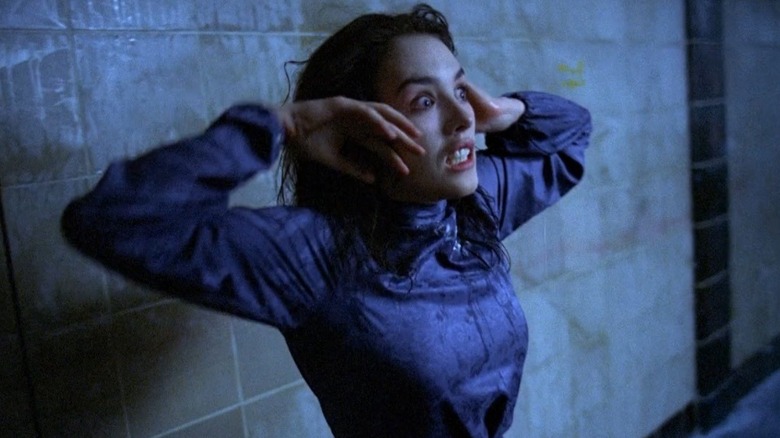
"Possession" is a classic example of what happens when executive meddling ruins a good movie. The art house film pits spy Mark (Sam Neill) against his divorce-hungry wife Anna (Isabelle Adjani). Anna's mothering skills toward their son and her behavior have both become more and more volatile and erratic as the months have gone on. She has a secret lover with a shocking origin story, and as Mark learns more about the situation, his own life begins to careen out of control.
The film was initially cut by a third before being released in the U.S., entirely changing its tone. Contemporary critics panned it as a result, mocking both the performances and the plot. In the U.K., it was yet another film dubbed a video nasty. Time and reputation restored the director's cut and the movie's reputation, helping audiences figure out why Adjani won an award for Best Actress at the Cannes Film Festival and launching it as a chilling arthouse horror classic.